Stepping into the grounds of Blanjong Temple in Sanur, Bali is like peeling back the first page of the island’s recorded history. While many travelers visit the sunrise coast for its calm lagoons and refined resorts, this sacred site offers a profound connection to a thousand-year-old legacy. Discover the secrets of Bali’s oldest man-made relic and how to include this spiritual landmark in your next coastal journey.
Visiting Blanjong Temple in Sanur
- History: Blanjong Temple stands as one of the oldest and most historically significant monuments in the Indonesian archipelago.
- Visitor Info: Planning a visit requires a basic understanding of temple logistics and cultural etiquette.
- Where to Stay: The Meru Sanur, just a short distance away, serves as an elegant base for cultural exploration.
- Dating: The temple traces back to 914 AD, making it one of the oldest dated sites in Bali.
- Good to Know: Understanding basic temple etiquette before arriving makes the visit smoother and more respectful.
The Historical Significance of Blanjong Temple
The Blanjong Temple in Sanur stands as one of the oldest and most historically significant monuments in the Indonesian archipelago. Believed to date back to 914 CE, this sacred site marks the island’s crucial transition from prehistory into a formally documented era. Long before the region became a modern wellness destination, this temple served as a monumental archive of ancient Balinese civilization. Exploring this living piece of history allows travelers to connect deeply with the roots of local heritage.
The sanctuary is intrinsically linked to King Sri Kesari Warmadewa, a powerful ruler of the ancient Mataram Kingdom and founder of the Warmadewa Dynasty. During his influential 10th-century reign, Bali experienced a profound cultural evolution driven by the deep integration of Indian traditions and Hinduism. Historical records indicate that the king commissioned this specific temple to formally honor the Hindu gods and establish undeniable spiritual authority.
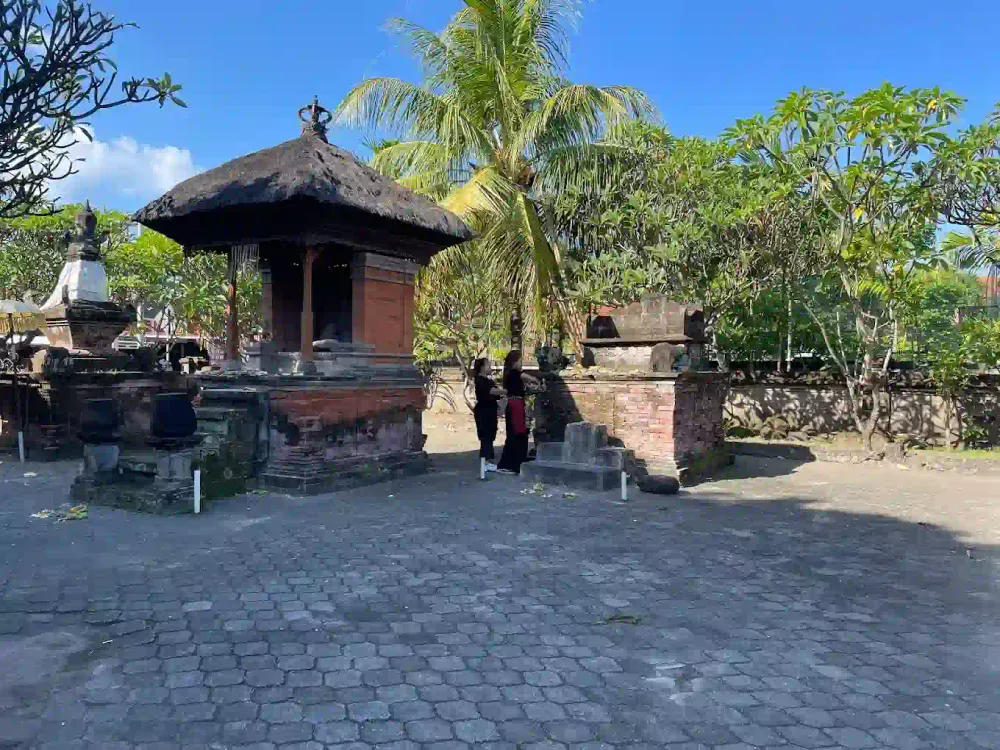
The formal establishment of this spiritual center is permanently commemorated by an iconic stone pillar that still stands proudly on the grounds today. Scholars believe this remarkable artifact also celebrates a series of early military successes and the creation of a structured local government. By examining this carefully preserved relic at Blanjong Temple, modern visitors find themselves at the exact geographic center of Bali’s earliest written records. The site continues to serve as a powerful symbol of the monumental legacy etched in stone by ancient dynastic rulers.
Visitor Information: Location, Hours, and Etiquette
Planning a visit to this historic site requires a basic understanding of temple logistics and cultural respect. The temple is easily accessible from Sanur’s main tourist strip, making it a convenient stop for a morning of cultural discovery.
| Feature | Details |
| Location | Jalan Danau Poso, Southern Sanur, Denpasar, Bali |
| Opening Hours | 08.00 AM to 6.00 PM daily |
| Entrance Fee | Complimentary (Donations for temple maintenance are appreciated) |
| Dress Code | Proper Balinese temple attire: Sarong and sash are mandatory |
| Accessibility | Easily reachable via bicycle, walking, or ride-hailing services |
What to See at Blanjong Temple
While the temple maintains a modest, quiet presence compared to the massive complexes of central Bali, it houses artifacts of immense value. Below are the primary features to look out for when exploring the Blanjong Temple in Sanur, Bali.
The Blanjong Pillar (Prasasti Blanjong)
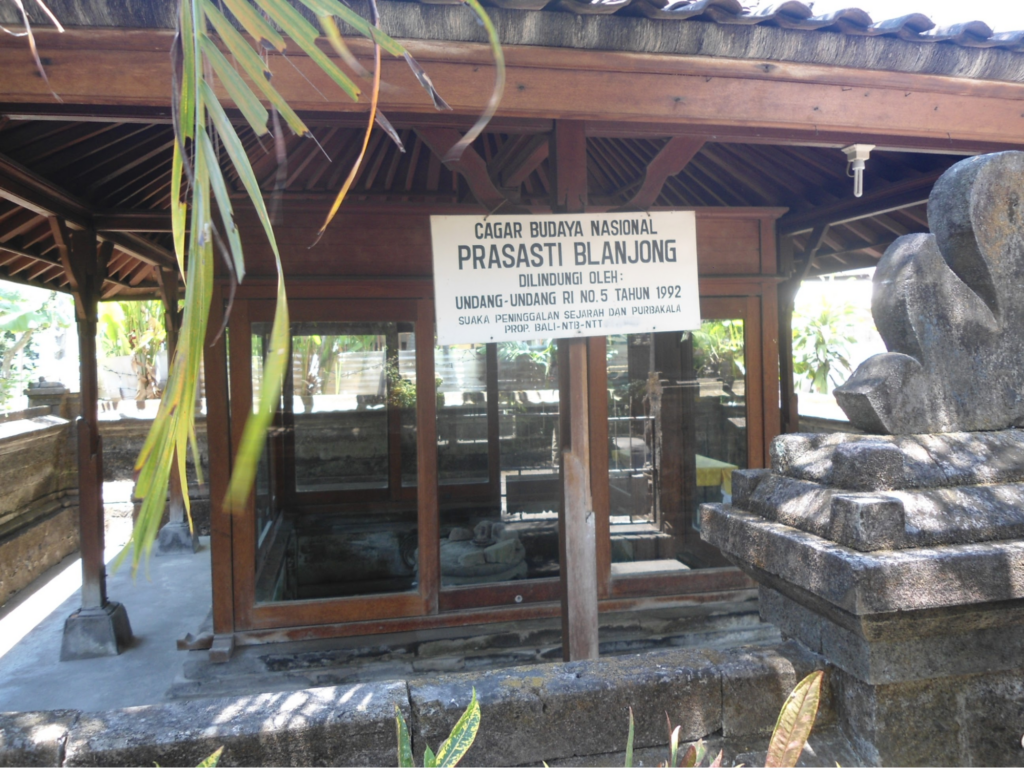
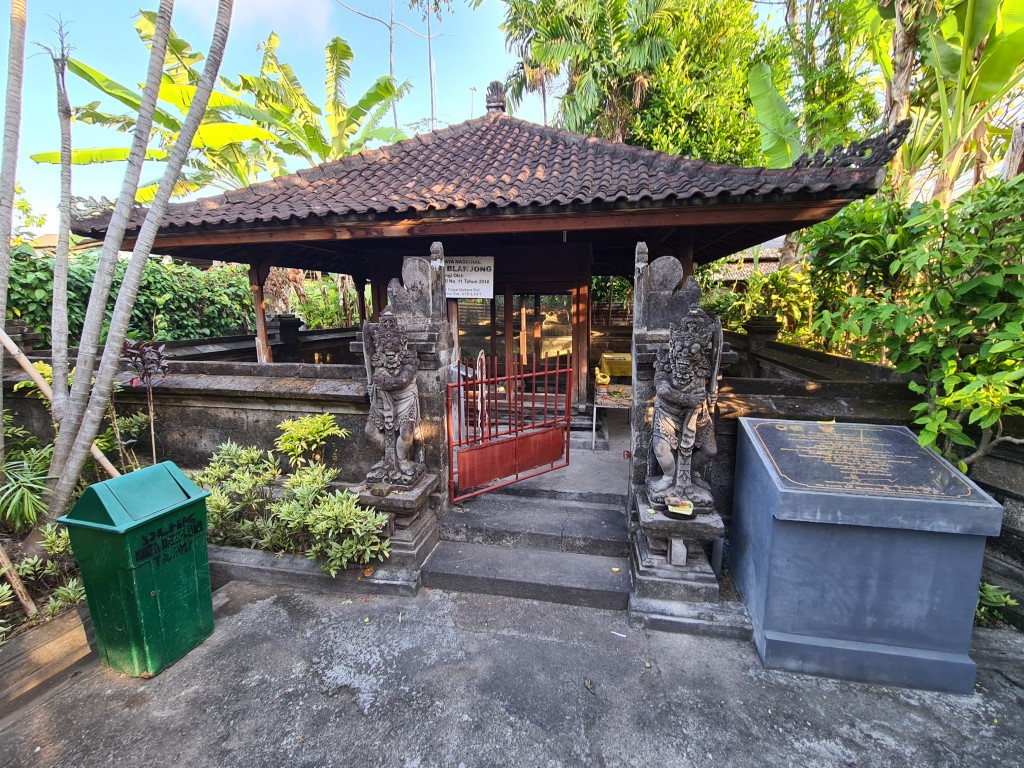
The undisputed centerpiece of the site is the Blanjong Pillar, known locally as Prasasti Blanjong. This cylindrical stone pillar, which stands approximately 1.77 meters tall, dates to 914 CE. It is housed within a protective glass enclosure to prevent erosion, yet its presence remains powerful and imposing. What makes this artifact truly extraordinary is the inscription carved into its surface.
The Meru Sanur Guest Insight
The Blanjong Pillar is a quiet highlight for culturally curious guests staying at The Meru Sanur, offering a tangible link to the deep roots of Balinese identity. Seeing the earliest written record of ‘Bali’ firsthand tends to add a layer of meaning to any village temple visits that follow.
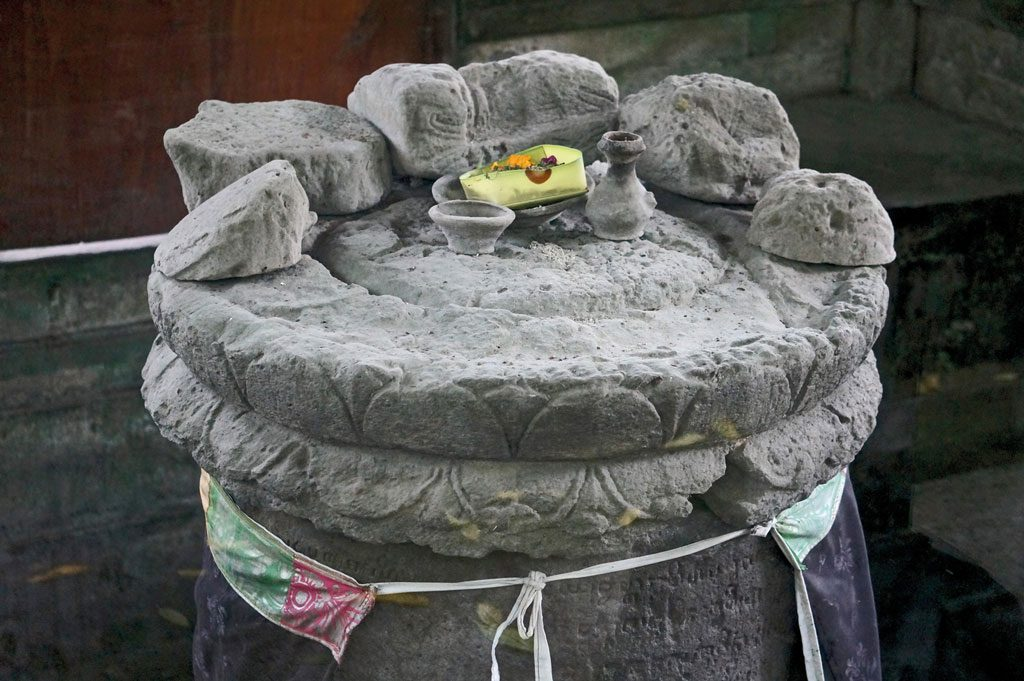
The pillar features text in two languages (Sanskrit and Old Balinese) and two scripts (Nagara and Kawi). This bilingual nature suggests that Sanur was already a multicultural hub of trade and religious exchange over a thousand years ago. The inscriptions detail the exploits of King Sri Kesari Warmadewa and his journey to the island’s eastern region. For history buffs, seeing the earliest written mention of the word “Bali” on this pillar is a significant experience that makes a visit to the Blanjong Temple in Sanur, Bali, worthwhile.
Ancient Statues and Architecture
Beyond the famous pillar, the temple grounds house several stone statues that reflect the island’s early Hindu-Buddhist influence. You will find a weathered statue of the Hindu deity Ganesha, the remover of obstacles, and figures of the sacred bull Nandi. These statues are carved from local grey volcanic stone and have been softened by centuries of tropical weather and incense smoke.
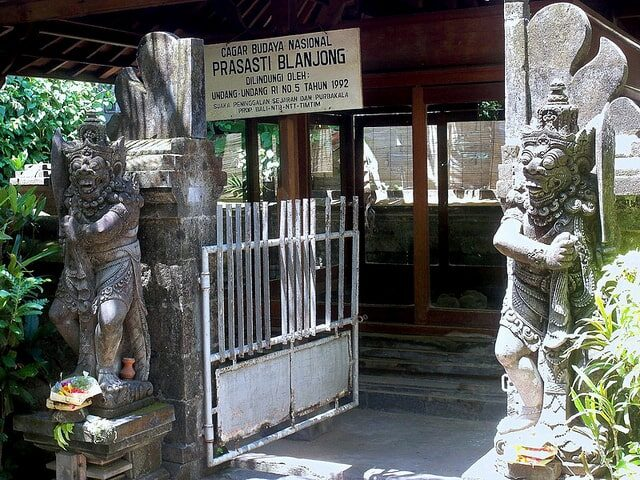
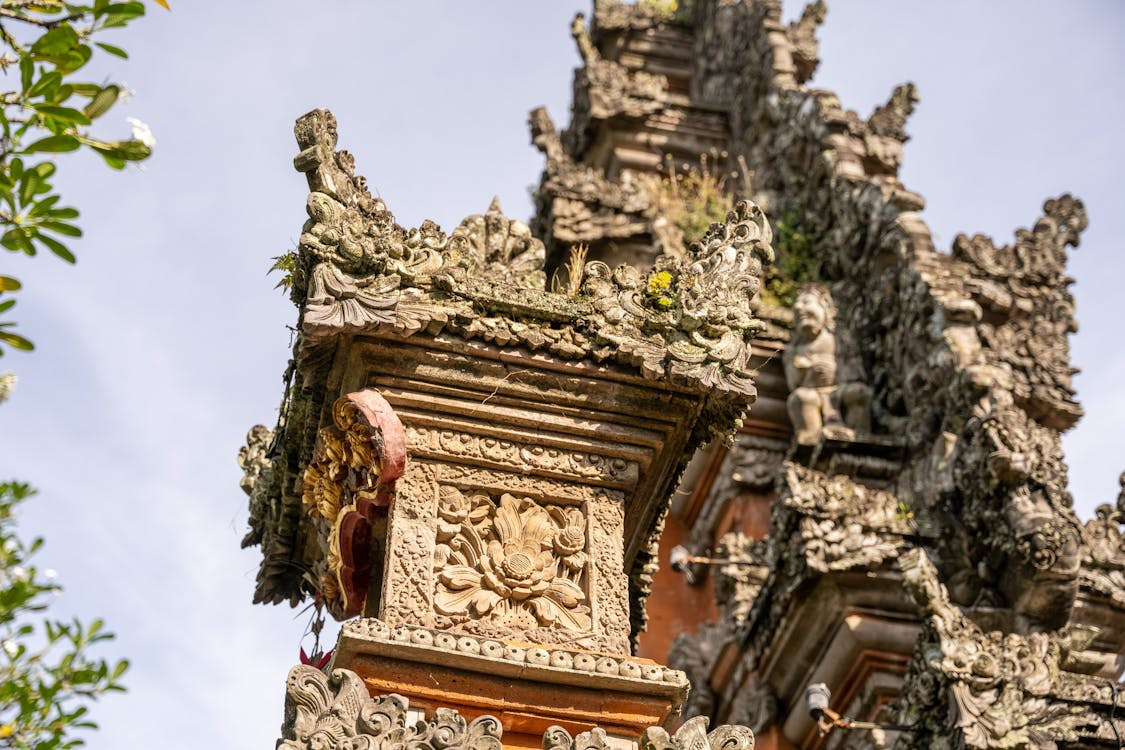
The temple’s architecture follows the traditional Balinese tri-mandala concept, which divides the space into three zones of increasing sanctity. The outer courtyard (nista mandala) is where community gatherings often occur, while the inner sanctum (utama mandala) houses the most sacred shrines and the pillar itself. Observing the intricate stone gateways and the placement of the shrines offers an educational glimpse into how Balinese spatial logic has remained consistent since the 10th century.
Traditional Offerings and Spiritual Atmosphere
The Blanjong Temple in Sanur, Bali, remains a vibrant place of active worship for the local village. Throughout the day, you will observe residents arriving at the temple to lay canang sari (daily flower offerings) at the base of the pillar and at various shrines. The air is often thick with the scent of sandalwood incense and the sound of distant temple bells.
This spiritual activity adds a layer of “living history” to your visit. It reminds guests that these ancient stones are not just museum pieces but part of a continuous lineage of faith and gratitude. When you visit, take a moment to sit quietly in the courtyard to absorb the tranquil energy. This practice of “inward reflection” aligns perfectly with Sanur’s slower pace of life.
The Meru Sanur Cultural Etiquette Advice
If you happen to visit during a local morning prayer, you may see a priest distributing holy water (Tirta) and rice grains (Bija). If invited to participate, always receive the holy water with your right hand cupped on top of your left hand, and gently press the Bija onto your forehead. This small gesture of alignment shows deep respect for the living lineage of faith that has protected this inner sanctum for centuries.
Archaeological Preservation Efforts
In recent years, there has been renewed focus on preserving the Blanjong Temple in Sanur, Bali. Local authorities and heritage groups have worked to improve the signage and the structural integrity of the protective buildings surrounding the pillar. These efforts ensure that future generations can continue to study the origins of Balinese culture.
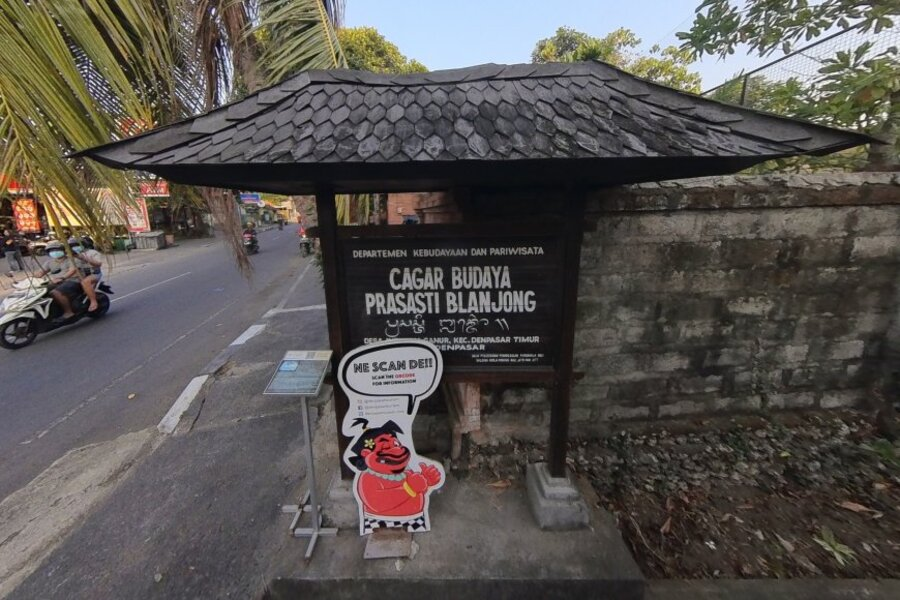
Educational boards near the entrance provide context in both Indonesian and English, explaining the translations of the inscriptions and the history of the Warmadewa Dynasty. This commitment to education makes the temple a prime destination for “meaningful travel,” where the goal is to gain wisdom and understanding rather than just capturing photographs.
The Duality of Sekala and Niskala
In Balinese culture, everything exists in a state of duality: Sekala (the seen, physical world) and Niskala (the unseen, spiritual realm). The Blanjong Temple in Sanur, Bali, is a perfect place to witness this philosophy in action. While you can physically touch the stones and see the inscriptions (Sekala), the site’s energy and the pillar’s historical weight represent the Niskala.
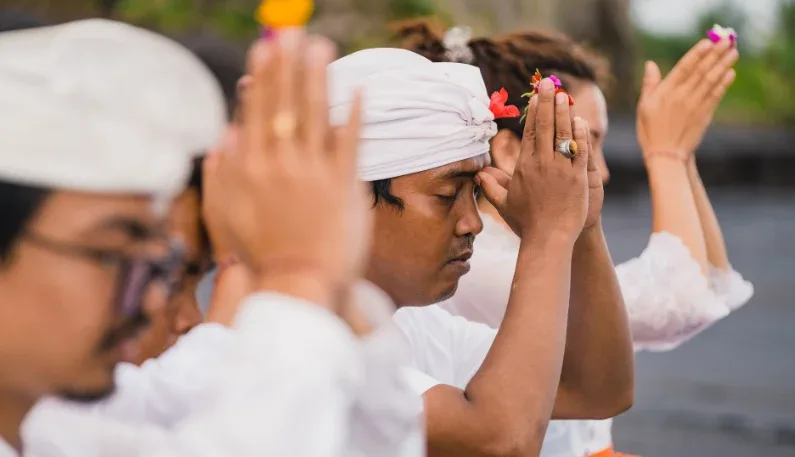
As a visitor, recognizing this balance allows you to experience the temple more deeply. It is not just an archaeological site; it is a portal to the island’s soul. Understanding this duality is essential for any cultural explorer who wishes to harmonize their physical journey with a spiritual one during their stay on the sunrise coast.
Nearby Attractions Around Blanjong Temple in Sanur, Bali
When compiling a list of cultural things to do in Denpasar, the southern end of Sanur is rich with secondary sites that complement your visit to the temple. Spending an entire day in this district provides a well-rounded immersion in the local culture.
Sanur Beachfront Promenade
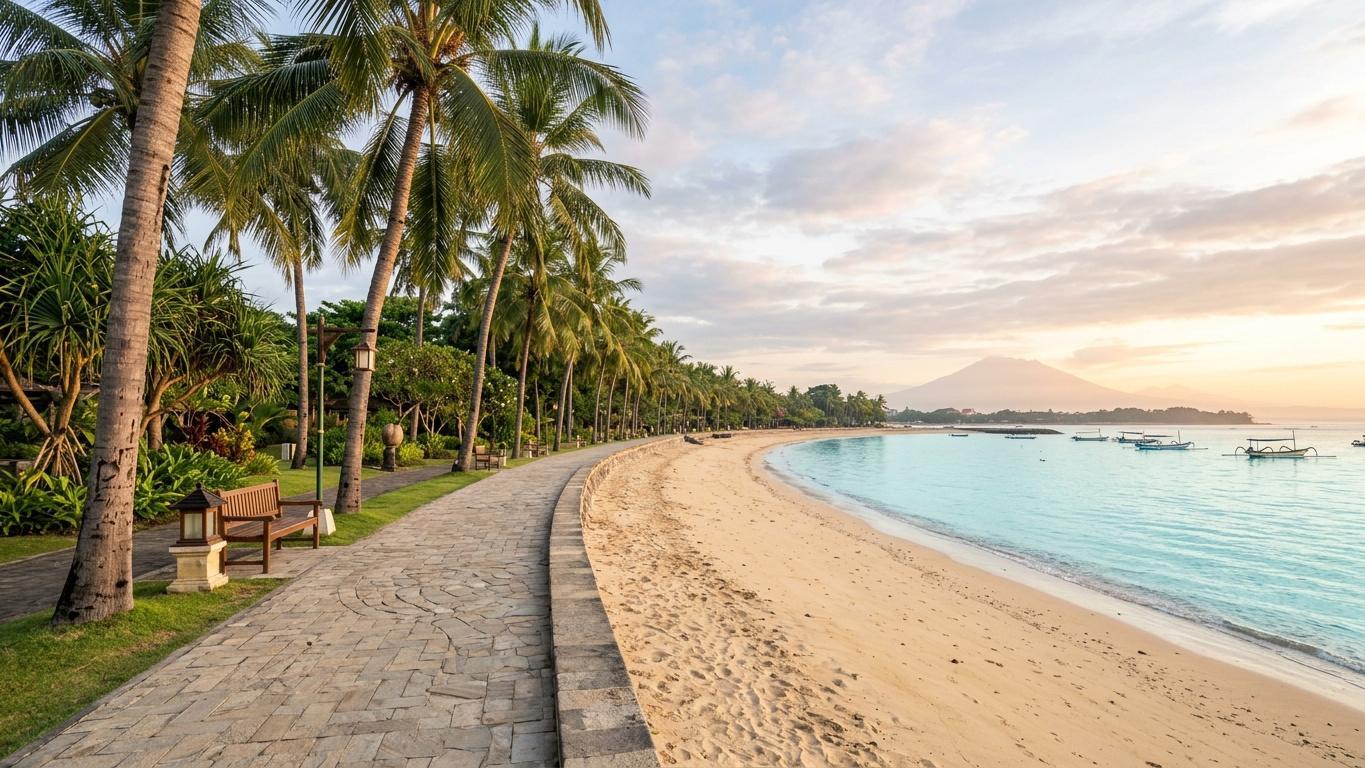
Just a few minutes’ walk or cycle from the Blanjong Temple in Sanur Bali, lies the legendary five-kilometer beachfront promenade. This paved, car-free path is the lifeblood of the neighborhood, offering stunning views of the Indian Ocean and the traditional jukung fishing boats. In the early morning, the promenade is a hub of gentle activity where locals gather for sunrise meditation, and tourists enjoy a breezy walk.
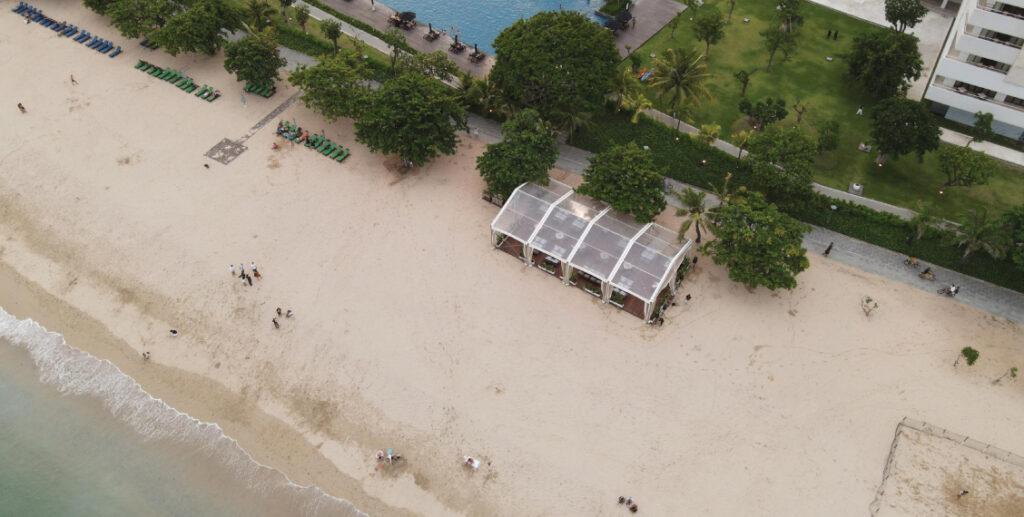
Walking along the shore after your temple visit provides a physical grounding that balances the intellectual stimulation of the history guide. For families researching what to do in Sanur, Bali with kids, you can observe the reef-protected waters, which are remarkably calm, making it the safest swimming beach on the island. The promenade also connects you to various boutique cafes and hidden shrines along the coastline, encouraging an unhurried exploration of the village.
Sindhu Night Market (Pasar Malam Sindhu)
To experience the region’s authentic culinary heritage, a visit to the Sindhu Night Market is essential. Located slightly north of the temple, this market transforms from a produce hub during the day into a vibrant food court after sunset. It is widely considered one of the cleanest and most organized night markets in Bali, making it a favorite for international visitors.
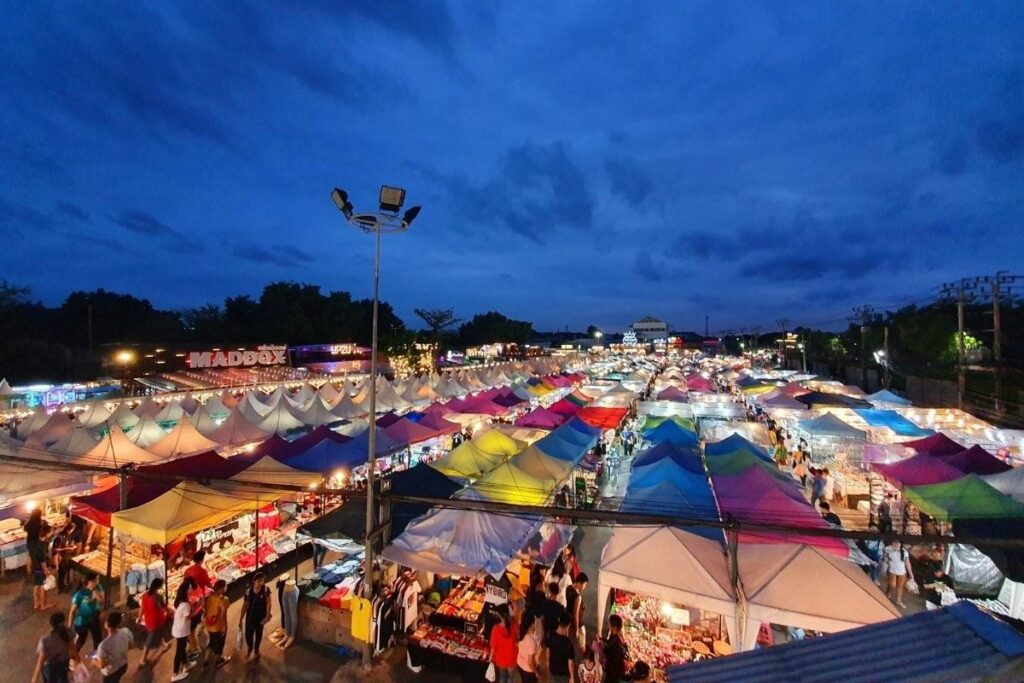
Here, you can sample traditional Balinese street food such as Sate Lilit (minced seafood satay) or Nasi Campur (mixed rice). The atmosphere is welcoming and social, allowing you to mingle with local families as they enjoy their evening meal. The flavors are bold and authentic, providing a sensory conclusion to a day spent exploring the Blanjong Temple in Sanur, Bali, and its surrounding heritage.
Le Mayeur Museum (Museum Le Mayeur)
For those interested in the intersection of Western art and Balinese culture, the Le Mayeur Museum is a must-visit. Situated right on the beach near the northern end of Sanur, it was the former home and studio of Belgian impressionist painter Adrien-Jean Le Mayeur de Merprès. He famously fell in love with a local Legong dancer, Ni Pollok, who became his primary muse and the subject of many of his most famous works.
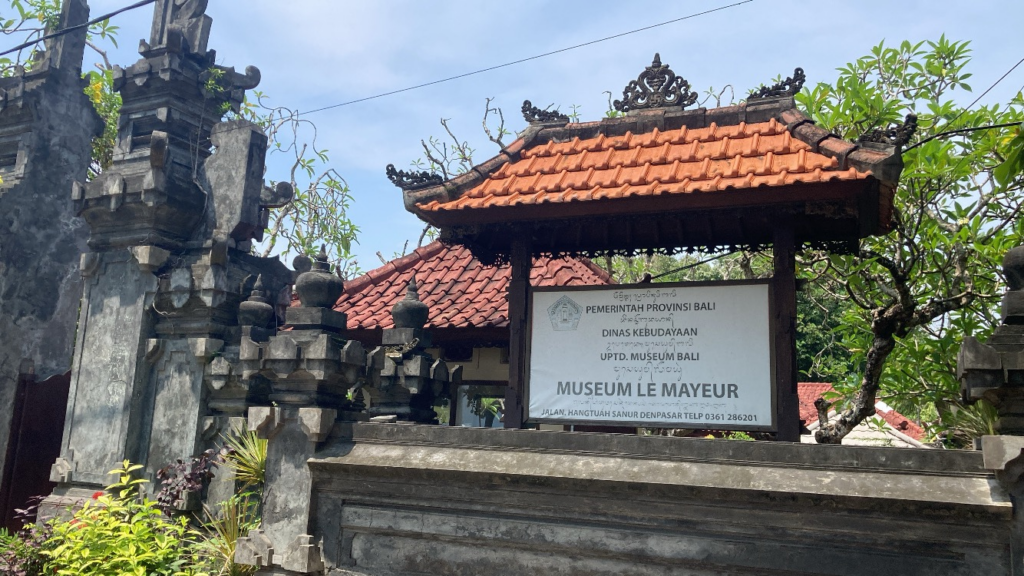
The museum itself is a stunning heritage building adorned with intricate wood carvings and red-gold accents. Inside, you can see 80 of Le Mayeur’s paintings, many of which capture the beauty of Sanur in the 1930s. The romantic and artistic legacy of this site complements the historical depth of the Blanjong Temple in Sanur, Bali, offering a complete picture of Sanur’s evolution as a cultural haven.
Essential Tips for Cultural Explorers
To make the most of your cultural journey, keep these practical considerations in mind for a respectful and rewarding visit.
Choosing the Best Time to Visit
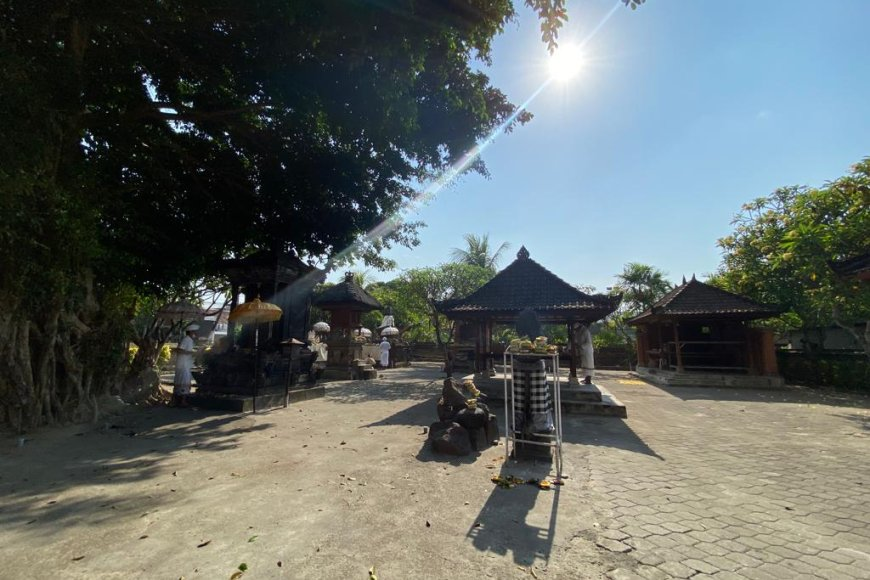
To experience the Blanjong Temple in Sanur, Bali, at its most atmospheric, we recommend arriving in the early morning around 8.00 AM or in the late afternoon after 4.00 PM. The morning light provides a soft glow for observing the pillar, and the temperature is much more comfortable for walking. Late-afternoon visits often coincide with evening prayers, offering a glimpse into the community’s active religious life.
Respecting Temple Dress Codes
Respecting local customs is the most important part of visiting any Balinese sacred site. To enter the Blanjong Temple in Sanur, Bali, you must wear a sarong that covers your knees and a ceremonial sash tied around your waist.
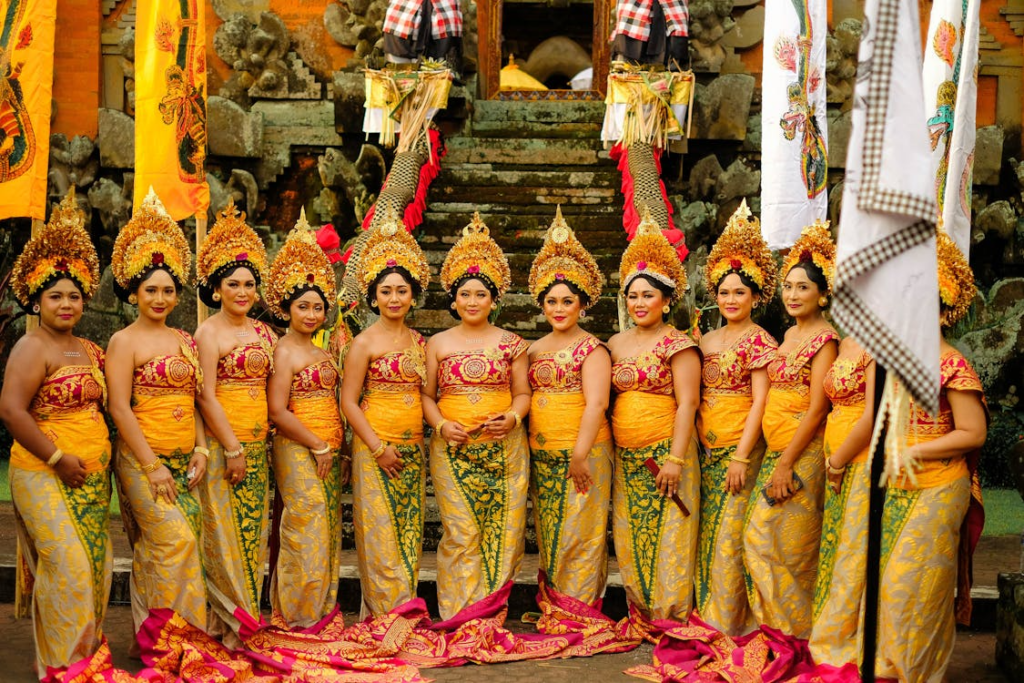
If you do not have your own, many local shops on Jalan Danau Poso sell high-quality handmade textiles. Wearing white or light-colored clothing is also appreciated by the locals as it symbolizes purity and respect for the deities.
Guided Discovery vs. Solo Exploration
While solo exploration offers a quiet, personal connection to the site, hiring a local cultural guide can significantly enhance your understanding. A professional guide can provide the nuance of the inscriptions and the specific mythological stories associated with King Sri Kesari Warmadewa. Many luxury resorts in the area can arrange for an expert-led heritage tour that includes the temple, the museum, and the local markets for a comprehensive cultural day trip.
Where to Stay in Sanur for Cultural Exploration
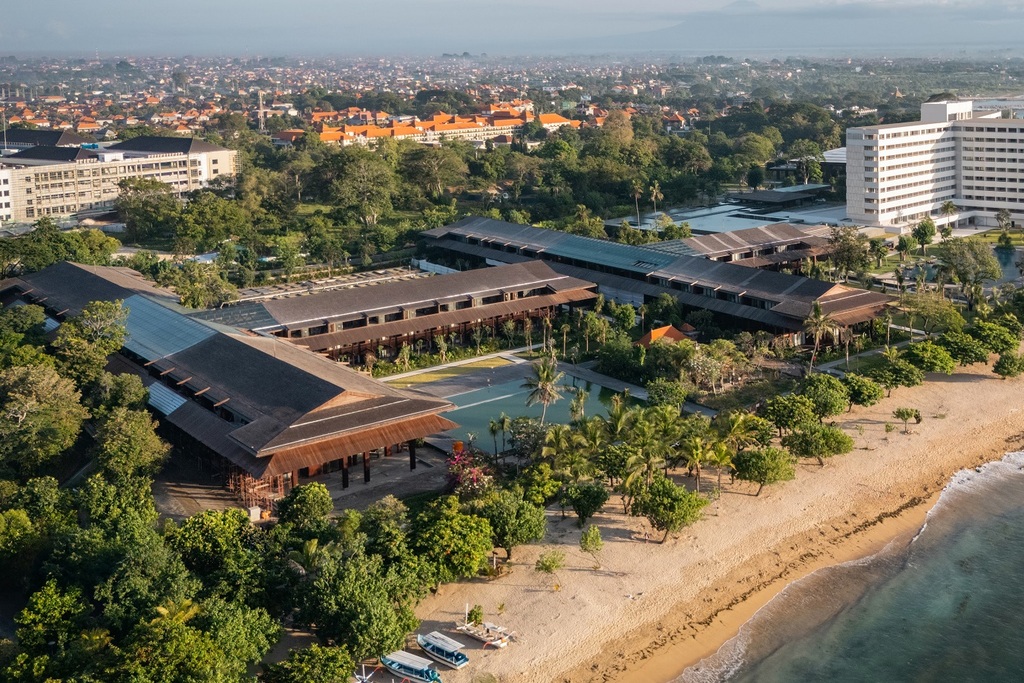
Located just a short distance from this historic site, The Meru Sanur serves as an elegant and convenient base for your cultural explorations.
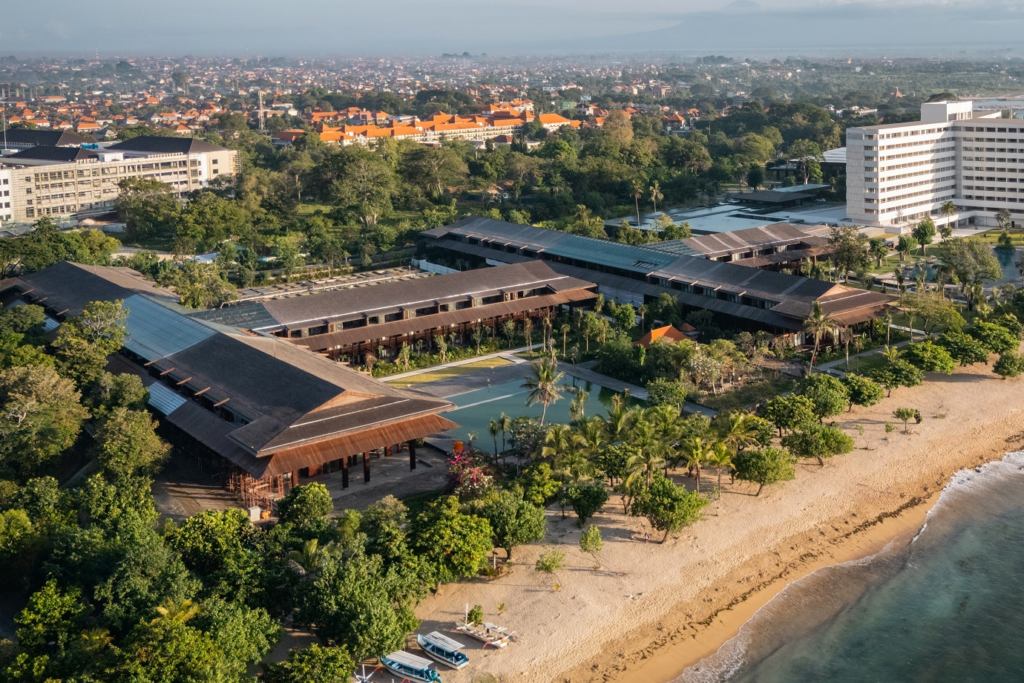
After a morning of discovery at the Blanjong Temple in Sanur, Bali, retreat to our tranquil beachfront sanctuary for an afternoon of holistic wellness or reflective contemplation. The Meru Sanur is designed for the discerning traveler who values spiritual depth as much as seaside luxury.
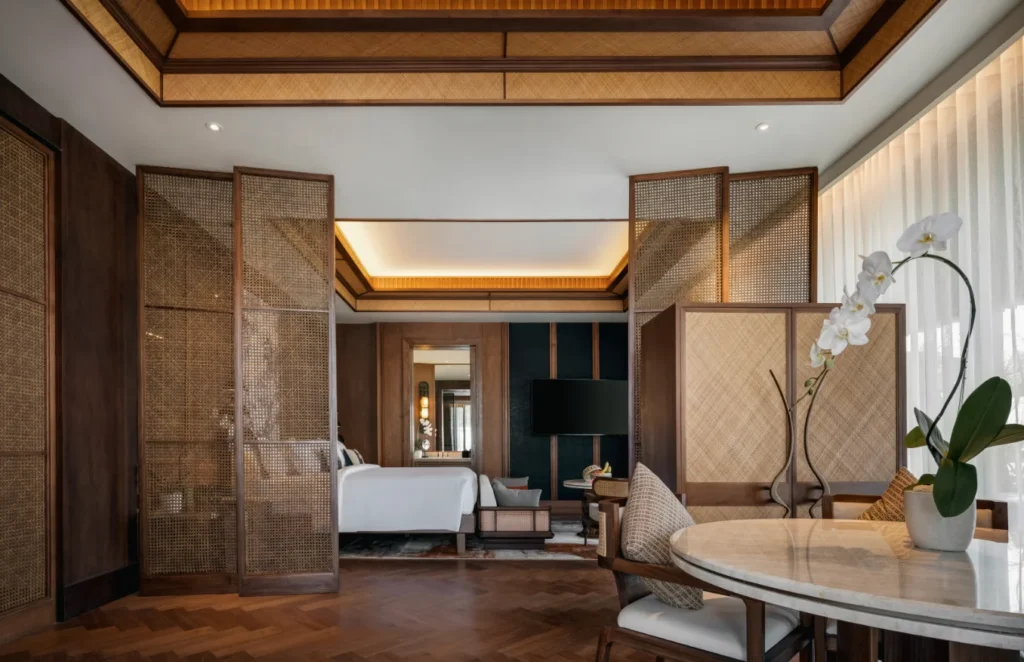
Our resort offers a unique residential experience within the Sanur Special Economic Zone, a district dedicated to health and meaningful tourism. For those seeking the highest standard of spatial comfort, our Meru Suite offers an expansive 160 square meters of living space.
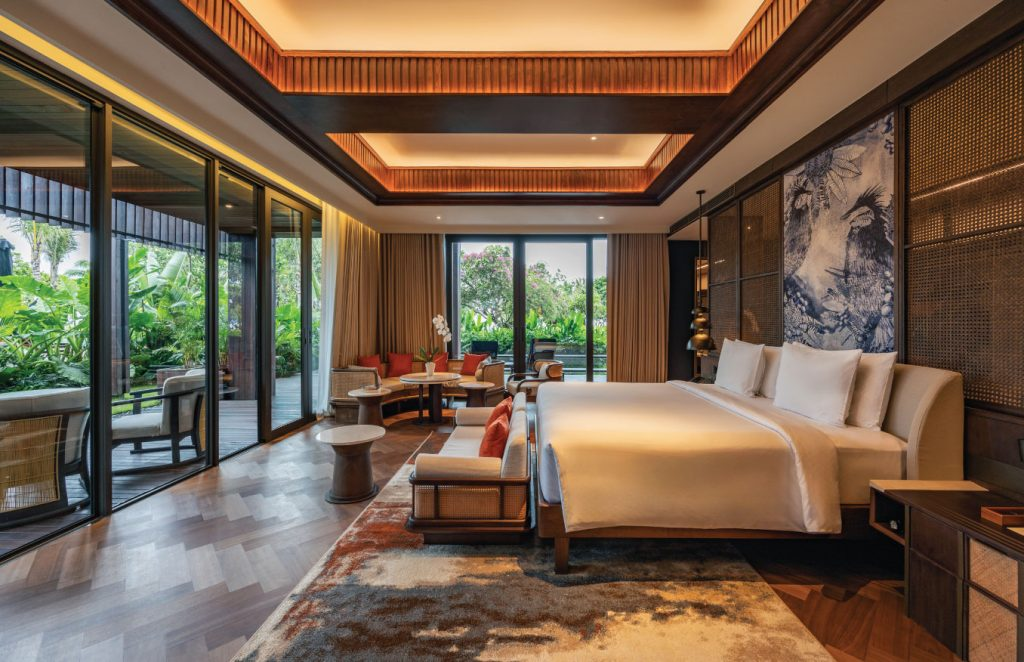
It features a separate living room with a terrace overlooking the tranquil tropical garden and Sanur’s white sandy beach. This premium beachfront suite offers one of the best views at our resort, allowing you to reflect on the island’s history while suspended above its pristine coastline. For the pinnacle of exclusivity, the Presidential Suite spans a magnificent 209 square meters, offering an unparalleled environment of privacy and prestige for your cultural retreat.
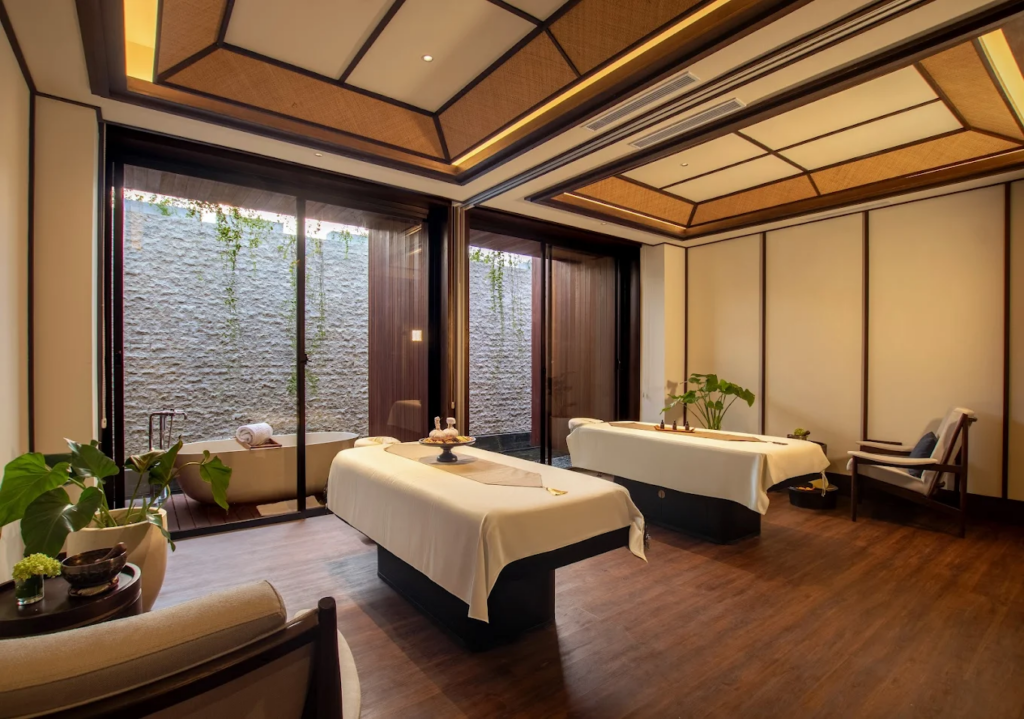
After navigating the city streets, your body and spirit will naturally seek a return to balance. We invite you to visit the Taru Pramana Spa & Wellness, widely recognized as one of the best spas in Sanur, Bali, where we carry forward the living legacy of traditional healing. Our treatments are inspired by the Lontar Usada, the same ancient botanical wisdom that flourished during the era of the Blanjong Temple in Sanur, Bali.

To fully restore your energy, consider the Meru-Jaga ritual. This 120-minute restorative experience is designed to nurture both body and soul. Your therapist curates a bespoke oil blend infused with the harmonic vibrations of a singing bowl.
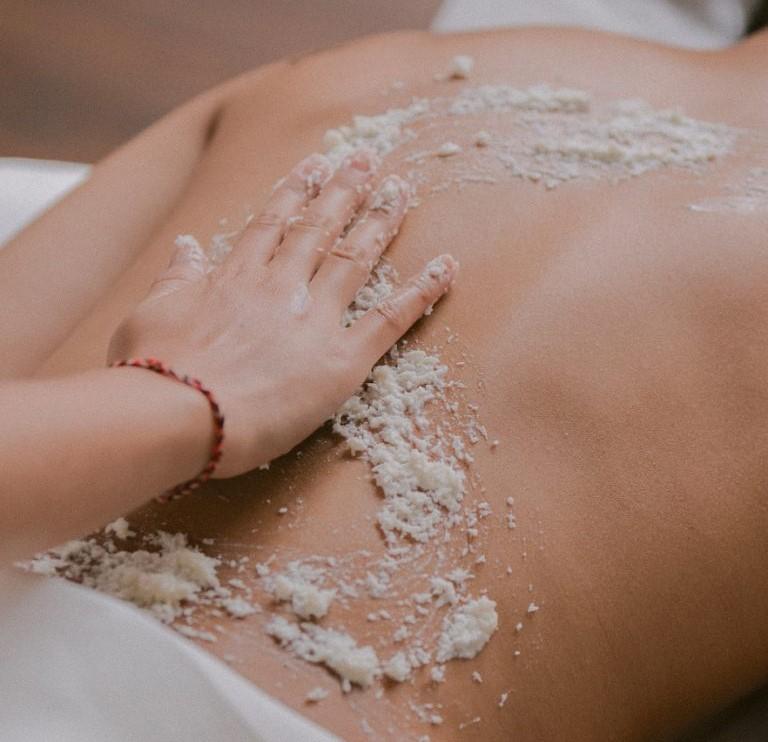
The journey begins with a revitalizing coconut salt scrub to awaken the senses, followed by a soulful aroma massage that melts away the day’s fatigue. The experience concludes with a traditional Jamu face care ritual, leaving your skin nourished and radiant. For a more intensive alignment, the Meru-Raga (150 minutes) includes a sacred moon scrub and crystals to promote deep harmony, complemented by a 7-chakra LED light facial.
The Meru Sanur Wellness Tip
Our Wellness Concierge suggests matching the physical exploration of Bali’s oldest heritage site with the grounding energy of our Meru-Jaga ritual. Booking this 120-minute session immediately after returning from the temple allows the singing bowl’s harmonic vibrations to settle any overstimulation from your historical tour, anchoring the intellectual wisdom you gained into a state of profound physical peace.

If you have spent your day under the tropical sun, the After-Sun Recovery Facial (60 or 90 minutes) provides a gentle touch of cool serenity. Blending Swiss cellular science with botanical essences, this treatment uses Aloe Vera and chamomile Bisabolol to purify and relieve sun-stressed skin.
The ritual concludes with a refreshing oxygen spray, leaving your complexion renewed and dewy. This “biohacked” approach to wellness represents the modern evolution of the ancient plant-based wisdom found in the local manuscripts.
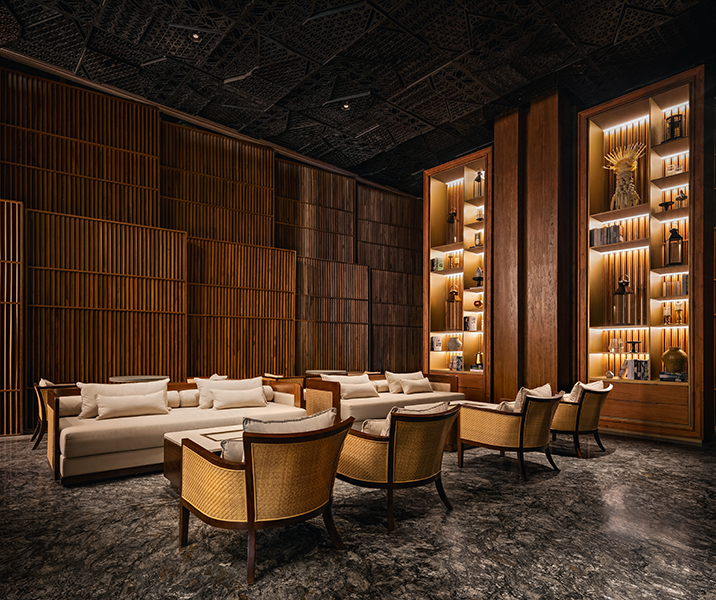
To conclude your cultural day, we invite you to reflect on your journey in the serene Sutasoma Lounge. This exclusive library-style lounge offers a quiet environment to read more about Balinese history or enjoy a heritage-inspired cocktail.

Alternatively, you can dine at Arunika Restaurant, where our culinary team prepares nourishing Indonesian dishes using ingredients from our own ethnobotanical garden. By choosing The Meru Sanur, you ensure that your exploration of the Blanjong Temple in Sanur Bali, is complemented by a stay that is intentional, restorative, and authentically Balinese.
Conclusion
The ancient town of Sanur is not only a tourist destination but also a gateway to discovering the unique cultural and historical values that have shaped Indonesia. By visiting the Blanjong Temple in Sanur, Bali, and observing its thousand-year-old pillar, you gain a rare perspective on the island’s origins.
We hope this 2026 guide provides the essential context and inspiration for your visit, ensuring that your time on the sunrise coast is as educational as it is relaxing. May your exploration of these sacred grounds leave you with a heart full of peace and a mind enriched by the wisdom of the ancients.
FAQs
What is the Blanjong Pillar?
The Blanjong Pillar is Bali’s oldest man-made artifact, dating back to 913 AD. It is a cylindrical stone column featuring bilingual inscriptions in Sanskrit and Old Balinese, documenting the historical exploits of the first King of the Warmadewa Dynasty. It is the primary attraction of the Blanjong Temple in Sanur Bali.
Is there an entrance fee for the temple?
Entrance to the Blanjong Temple in Sanur, Bali is complimentary for all visitors. However, it is customary and highly appreciated to leave a small donation in the box at the entrance to help the local community maintain the sacred grounds and the historical artifacts.
What is the proper dress code for visiting?
Like all Balinese Hindu temples, visitors are required to dress modestly. Both men and women must wear a sarong to cover their legs and a ceremonial sash around their waist. If you arrive without a sarong, you can often find them available for rent or purchase at nearby local markets.
How far is the temple from the main beach area?
The Blanjong Temple in Sanur, Bali, is located very close to the southern beach area. It is approximately a 10-minute walk or a 3-minute bicycle ride from the beachfront promenade near the Mertasari Beach section, making it an easy cultural addition to your beach day.
What makes this temple significant in Balinese history?
This temple is significant because it houses the first written record of the name “Bali.” It provides physical evidence of the island’s early governance and its complex historical connections to the Indian subcontinent, making it the foundational site of Balinese recorded history.