
Bali is an island of infinite layers, and choosing the right moment to peel them back defines your entire journey. While the bustling streets of Canggu or the cliffs of Uluwatu have their charm, Sanur offers a refined, coastal pace that reveals itself most beautifully through its changing seasons. To help you plan a holiday that feels as effortless as the morning tide, we have curated this guide to the best weather windows and experiences in our quiet corner of the island.
Quick Takeaways
-
The Optimal Travel Window: Plan your visit during the April to October dry season for clear skies, Southeast trade winds, and ideal snorkeling visibility, with year-round temperatures hovering comfortably between 26°C and 31°C (79°F to 88°F).
-
The Lush Green Season: Running from November to March (with January seeing peak rainfall of 300-350mm), this quieter period offers a deeply romantic atmosphere perfect for holistic spa treatments and experiencing the absolute quietude of Nyepi (Bali’s Day of Silence).
-
Must-Do Coastal Activities: Cycle the scenic 5km beachfront promenade, try kitesurfing on the protected Sanur Reef during the windy months of June through August, or taste authentic local street food at the Sindhu Night Market.
-
Exclusive 2026 Offer at The Meru: Book the Harmony and Fortune Stay for a minimum of three nights in February 2026 to receive a 38 USD (IDR 600,000) resort credit, alongside a traditional welcome ritual featuring a protective Tridatu bracelet.
-
Essential Packing List: Bring breathable natural fibers like linen or organic cotton to beat the humidity, reef-safe sunscreen for ocean activities, and a lightweight sarong and sash which are required for entering temples or joining Melukat purification ceremonies.
The Best Time of Year to Visit Sanur
- Prime Window: Many seasoned travelers consider April to October the absolute prime time for a Sanur holiday.
- Climate: Understanding the local climate is the first step toward planning a seamless tropical escape.
- Wet Season: Bali enters its wet season from November to March, which shapes what to expect.
- Good to Know: Even within the wet season, rain tends to come in shorter bursts rather than lasting all day.
- Positioning: Weather patterns, not just crowd levels, should factor into when you choose to visit.
Quick Overview of Sanur Weather Patterns and Tourism Seasons
Understanding the local climate is the first step toward a seamless tropical escape. Like most of Bali, Sanur enjoys a tropical monsoon climate. The year is split into two distinct periods. These are the dry and wet seasons. Knowing this helps you determine the best time to visit Sanur.
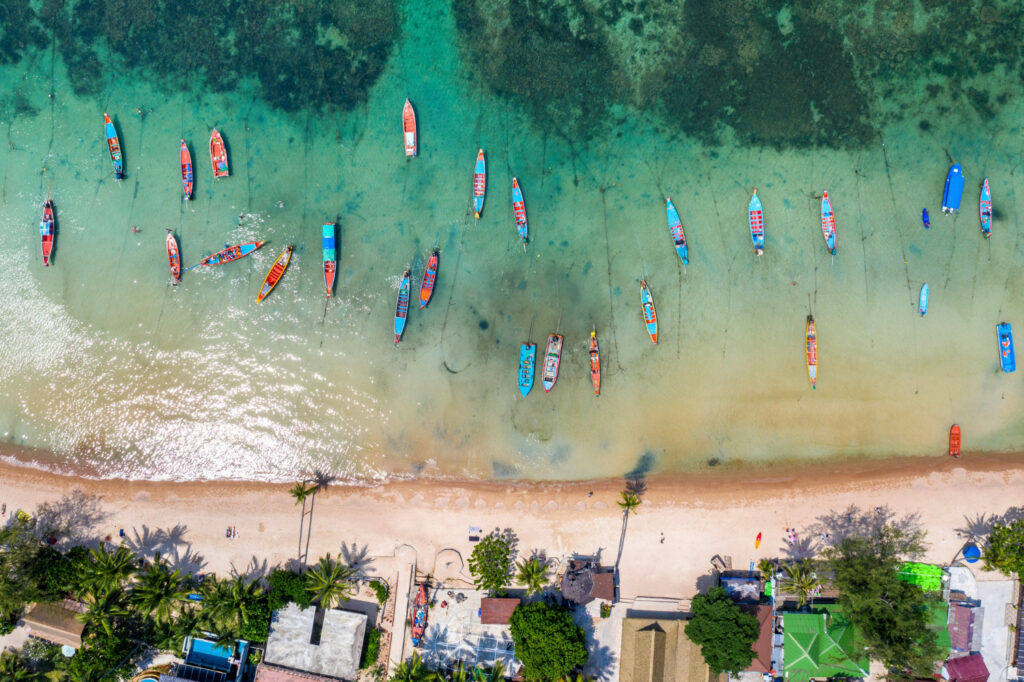
Sanur sits on the east coast. It often feels slightly different from the surf-heavy West. The temperatures here remain consistently warm throughout the year. They usually hover between 26 degrees and 31 degrees Celsius. This is approximately 79 to 88 degrees Fahrenheit.
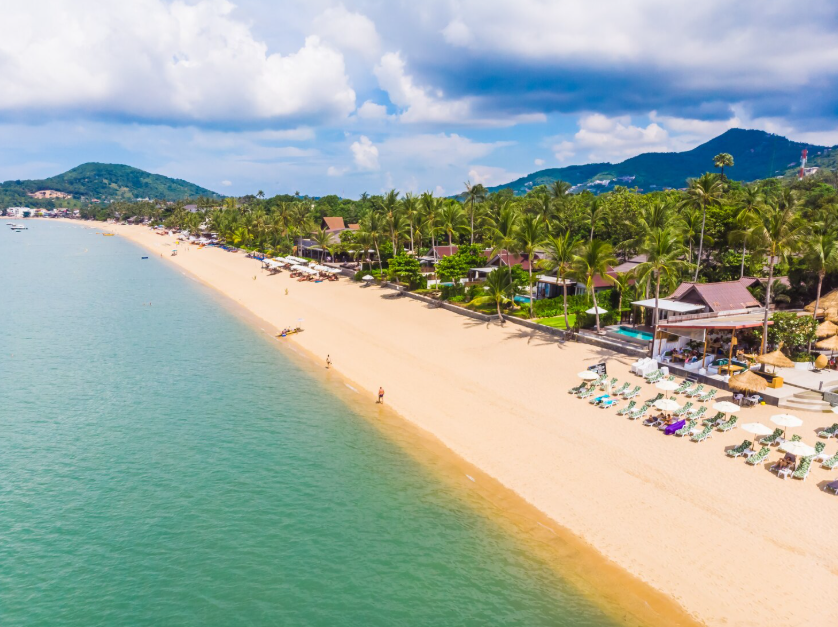
The peak tourism season typically aligns with the mid-year holidays in July and August. It also coincides with the festive surge in late December. The atmosphere is vibrant, and the streets are lively during these months. Sanur never reaches the frantic levels of noise found elsewhere. Many families consider this the best time to visit Sanur.
You might prefer a more tranquil pace. The shoulder months of May, June, and September offer the perfect balance. You will find plenty of blue sky and manageable humidity. It provides a sense of exclusivity, allowing for deeper reflection and unhurried exploration.
The Meru Sanur Microclimate Insight
The east-coast microclimate is one of the more underrated reasons to base yourself in Sanur during the shoulder months — the constant southeast trade winds blowing across the reef-protected lagoon lower the perceived temperature naturally, making open-air beachfront meditation comfortable even at midday.
Why April to October is the Best Time to Visit Sanur
Many seasoned travelers consider the window from April to October to be the absolute prime time for a holiday in Sanur. This is the dry season, a period characterized by clear skies, gentle offshore breezes, and lower humidity, making outdoor activities truly enjoyable.
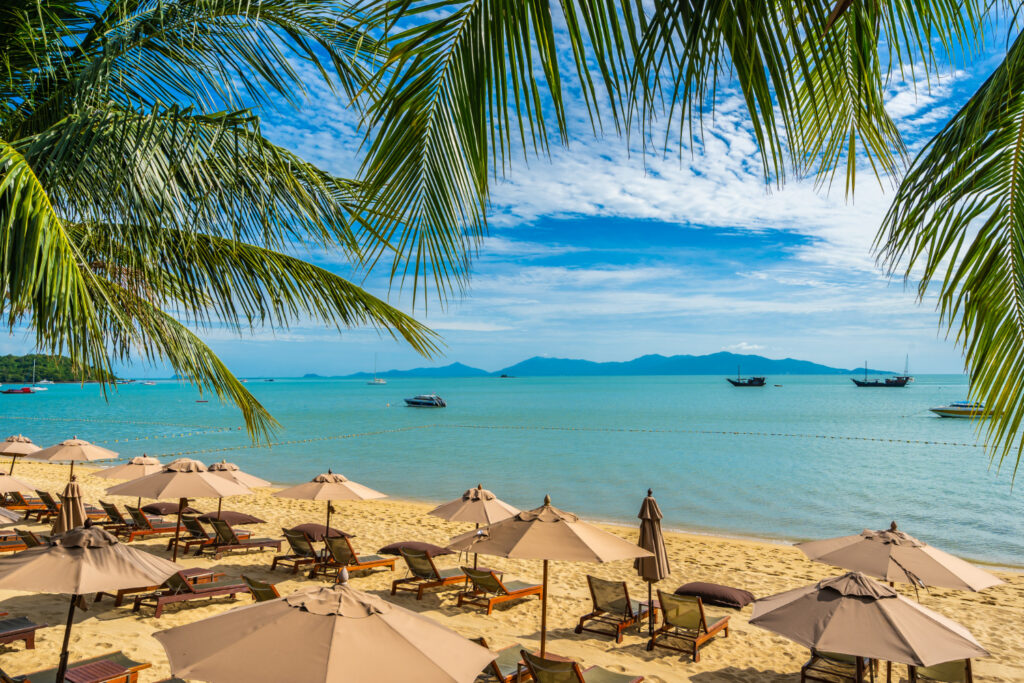
During these months, the southeast trade winds pick up, bringing a refreshing cooling effect to the beachfront promenade. It is the ideal time for those who wish to spend their days outdoors, whether that involves long walks on the sand or participating in sacred morning rituals by the water.
Ocean visibility is at its highest during this period. This is excellent news for those interested in marine life. The waters around the Sanur reef are calm and clear. This clear water makes the dry season the best time to visit Sanur for snorkeling. You can also easily take a short boat ride to the nearby islands of Nusa Penida or Nusa Lembongan.
Because the humidity is lower, the evenings are particularly pleasant for beachfront dining. You can enjoy a glass of wine or a traditional Balinese wellness drink under the stars without the heavy, stifling heat that can sometimes define the tropics.
What to Expect During the Wet Season from November to March
Bali enters the wet season from November to March. This is often referred to as the Green Season due to the lush and vibrant growth of the flora. Some travelers shy away from rain. The wet season in Sanur has a unique, romantic charm. For nature lovers, this green period is the best time to visit Sanur.
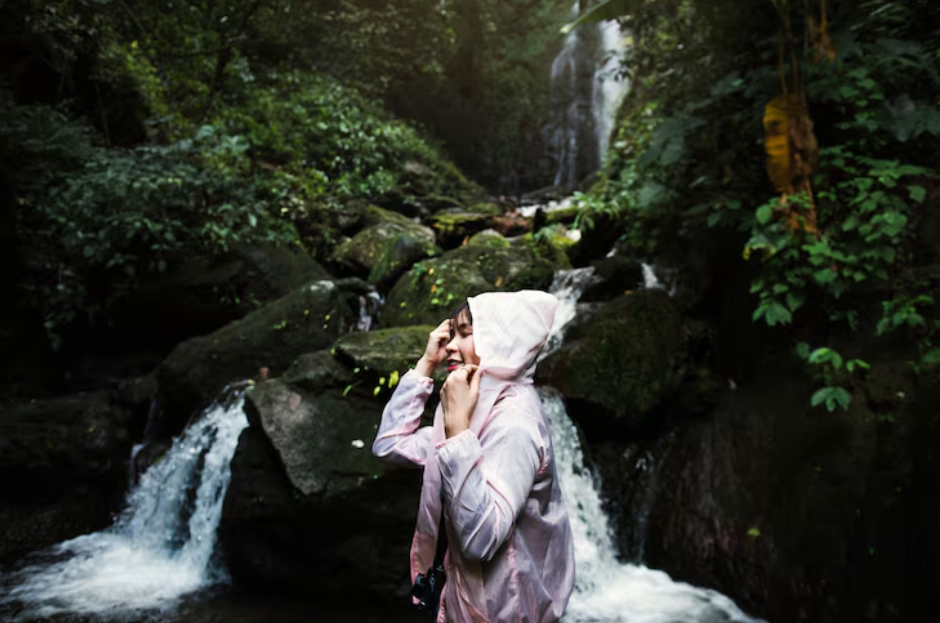
Rainfall usually comes in short and heavy bursts. This often happens in the late afternoon or overnight, leaving the mornings fresh and clean. The air takes on a softer quality. The scent of damp earth and tropical blooms becomes more pronounced. This creates an immersive sensory experience.
This season is particularly suited for those seeking a wellness-led destination. Rain provides the perfect excuse to retreat inward. It is the ideal moment to indulge in holistic spa treatments. You can experience a traditional sauna and ice bath or participate in guided cultural immersions.
The pace of life slows down even further. This allows for a more intimate connection with the local environment. Photographers often find this lighting dramatic and soft. It casts a beautiful glow over the ancient trees and sacred temples of Sanur.
Signature Experiences to Plan Your Trip Around
Sanur is more than just a place to rest; it is a destination that invites you to participate in its timeless rhythms. Below are the most authentic experiences to include in your 2026 itinerary to truly feel the spirit of this coastal sanctuary.
Catching the Magical Sunrise on Sanur Beach
Known as the “Morning of the World,” the sunrise in Sanur is a spiritual experience not to be missed. As the first rays of light crest over the horizon, the sky transforms into a canvas of soft pinks, oranges, and deep purples.

This is a time of immense tranquility when the only sounds are the gentle lapping of the waves and the distant chime of a temple bell. Many locals use this time for prayer and meditation, and joining them on the sand for a moment of quiet reflection is a beautiful way to begin your day.
Cycling Along the Scenic Beachfront Promenade
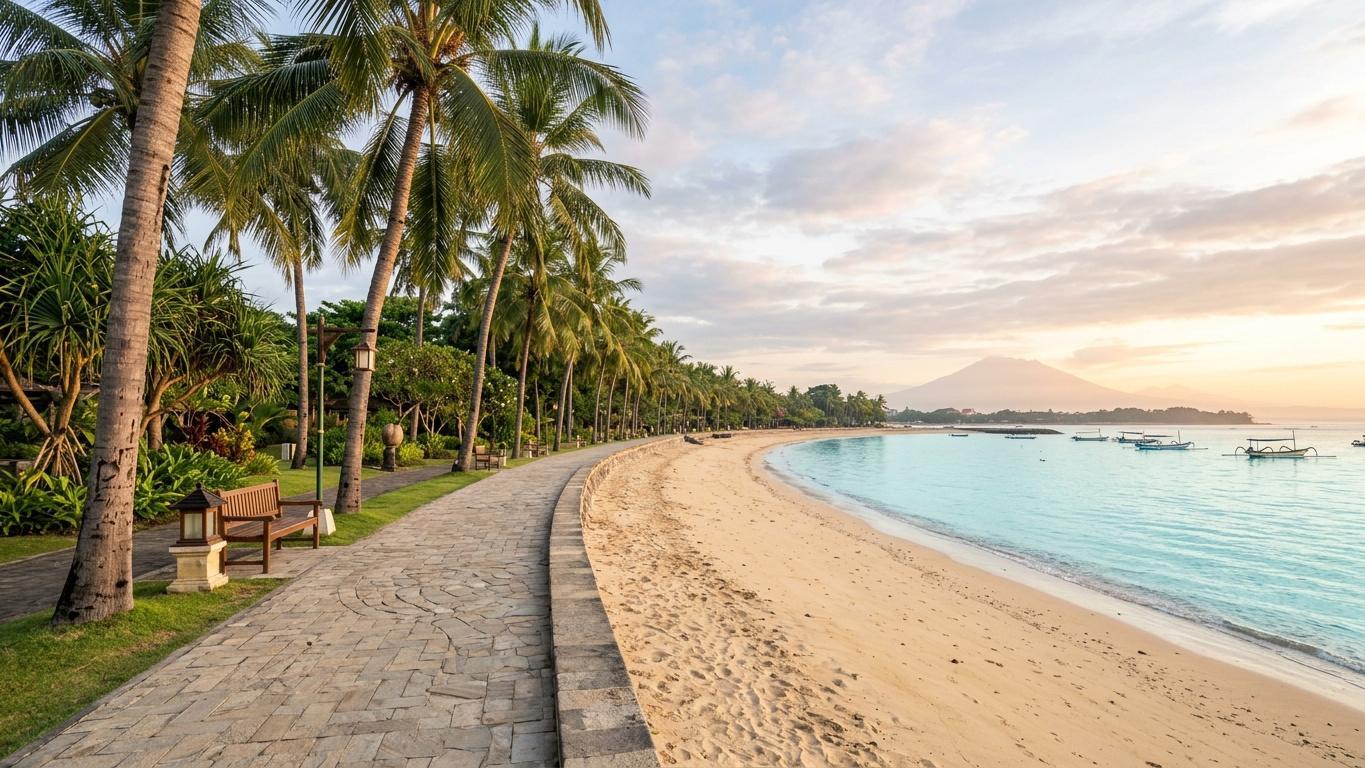
Sanur is home to one of the most iconic beachfront paths in Bali, stretching over five kilometers along the coast. Renting a bicycle lets you explore the entire neighborhood at your own pace.

You will pass by traditional jukung fishing boats with their colorful outriggers, ancient trees draped in sacred cloth, and refined villas tucked away behind lush gardens. It is a gentle, breezy way to see the various facets of Sanur, from the quiet northern ends to the more social southern reaches.
Kitesurfing Adventures on Sanur Reef
Some travelers enjoy a bit of movement. The windy months of June through August turn Sanur into a hub for kitesurfing. The reef creates a protected lagoon with flat water. This is perfect for both beginners and experienced riders. Watching the colorful kites dancing against the blue sky is a spectacle in itself. If water sports are your priority, the windy season is the best time to visit Sanur.

If you prefer a slower pace, stand-up paddleboarding is another popular option, especially in the early hours when the water is like glass and the sea life is visible just beneath your board.
Exploring Local Flavors at Sindhu Night Market
To experience the authentic culinary heart of Sanur, a visit to the Sindhu Night Market, widely regarded as the best night market in Sanur, Bali is essential. As the sun sets, the market comes alive with the aroma of roasting satay and freshly prepared local delicacies.
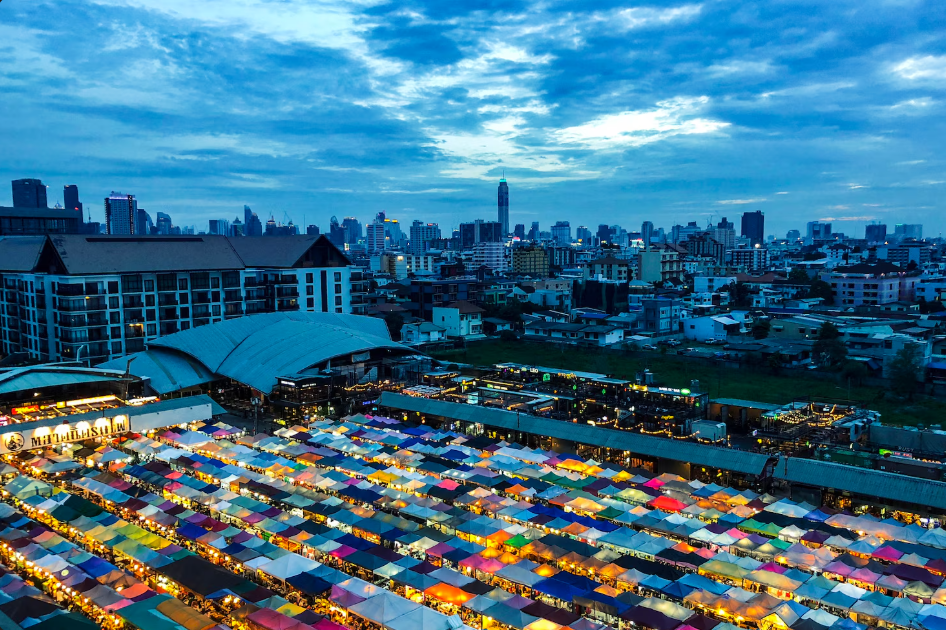
This is not a commercial tourist trap, but a genuine community hub where you can find high-quality, traditional flavors. It is a wonderful place to sample local fruits, savory snacks, and Balinese desserts in a welcoming, unpretentious atmosphere.
Visiting the Historic Le Mayeur Museum
For a glimpse into the area’s artistic heritage, the Le Mayeur Museum in Sanur, Bali offers a sanctuary of history and romance. Once the home of Belgian painter Adrien-Jean Le Mayeur de Merprès and his Balinese wife, the world-renowned dancer Ni Pollok, the museum is a stunning example of traditional Balinese architecture.
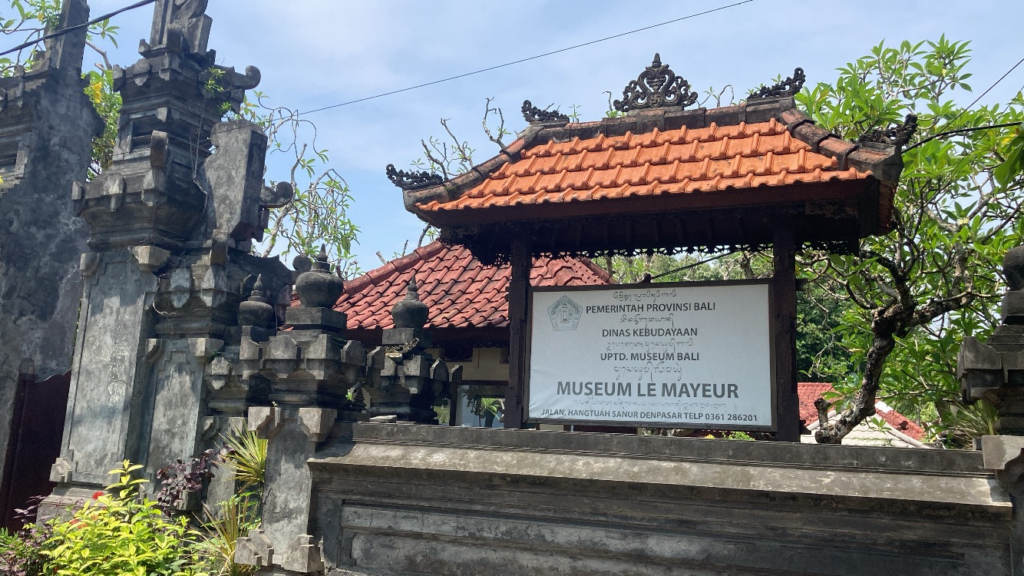
The walls are adorned with intricate carvings, and the garden remains a peaceful oasis. It is a reminder of the long-standing connection between international artists and Sanur’s serene beauty.
Where to Stay in Sanur for a Perfect Holiday
Recognized among the best beach resorts in Sanur, Bali, The Meru Sanur is the pinnacle of luxury beachfront tropical resorts in Bali, a sanctuary for those who prioritize tranquility and holistic wellness.
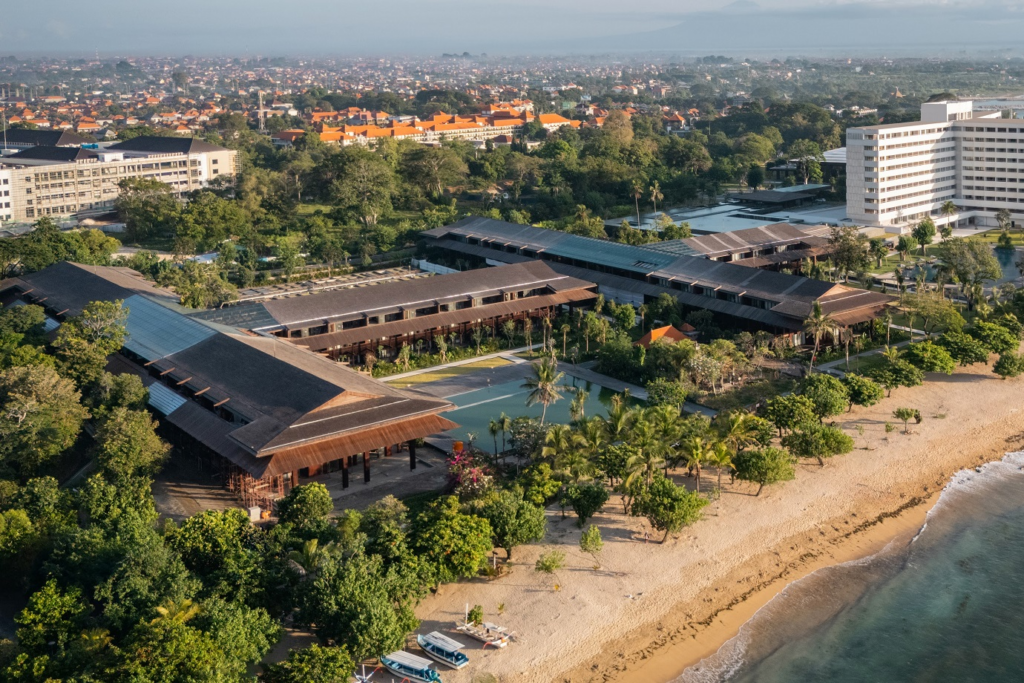
We have designed our property as a refined alternative to the island’s crowded hotspots, offering an environment where exclusivity and cultural immersion go hand in hand.
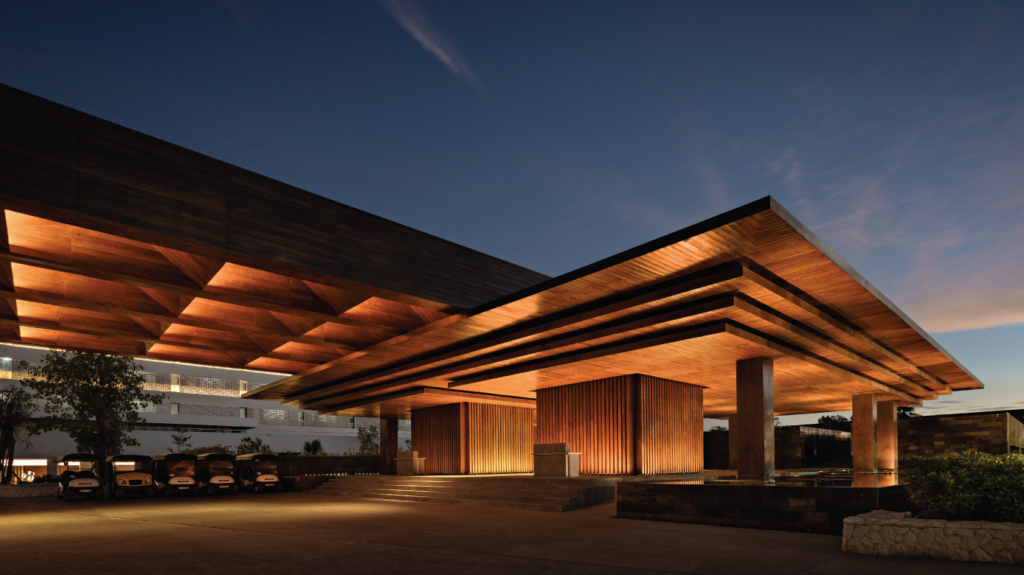
Our philosophy is rooted in the concept of Sekala Niskala, the Balinese belief in the balance between the seen and unseen worlds, and we weave it into every guest experience.
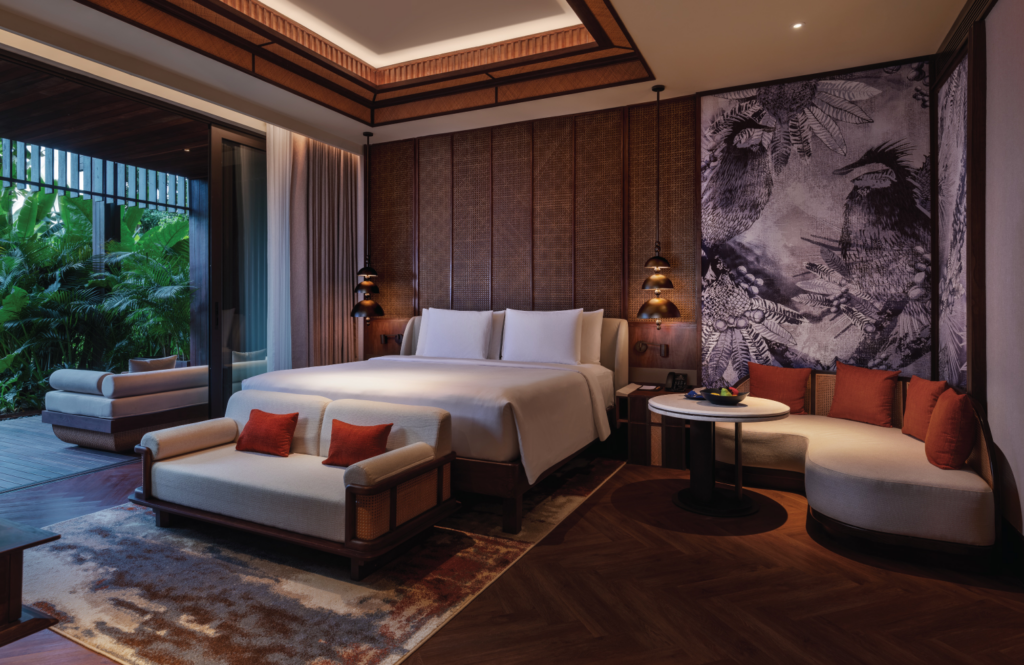
If you are planning your journey for early 2026, February offers a particularly auspicious opportunity for renewal. We invite you to experience our Harmony and Fortune Stay, a Lunar New Year celebration designed to nourish the spirit.
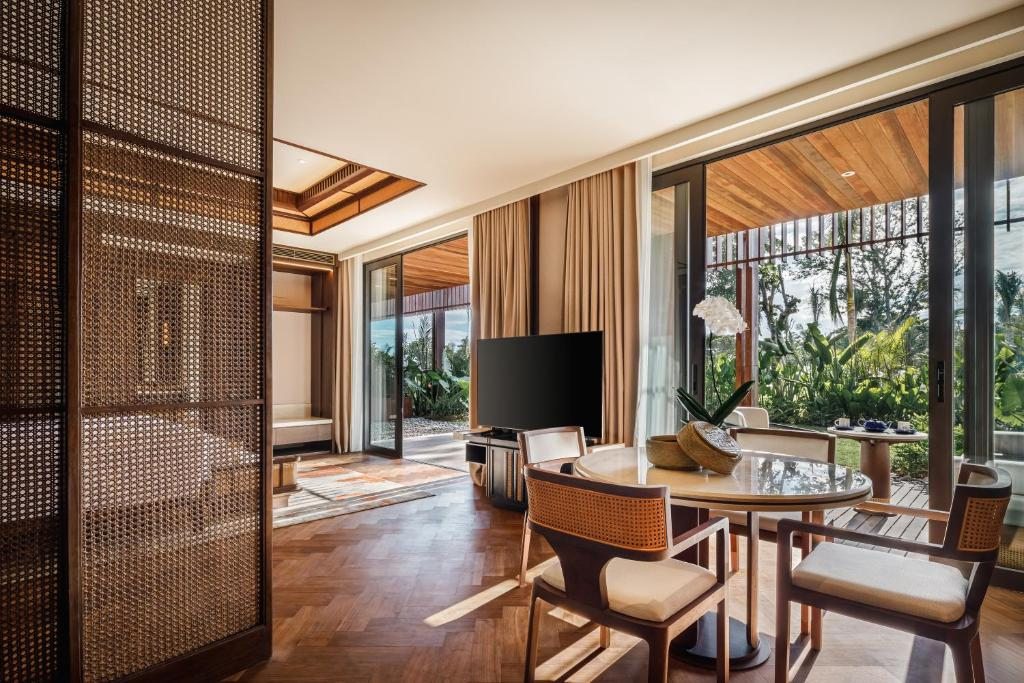
Guests who stay for a minimum of three nights during February 2026 will receive a prosperous resort credit of approximately 38 USD (IDR 600,000), which can be used to indulge in our dining and wellness sanctuaries. This is a season of realignment, beginning with a traditional Balinese welcome ritual and the gifting of a Tridatu bracelet to symbolize protection and harmony.
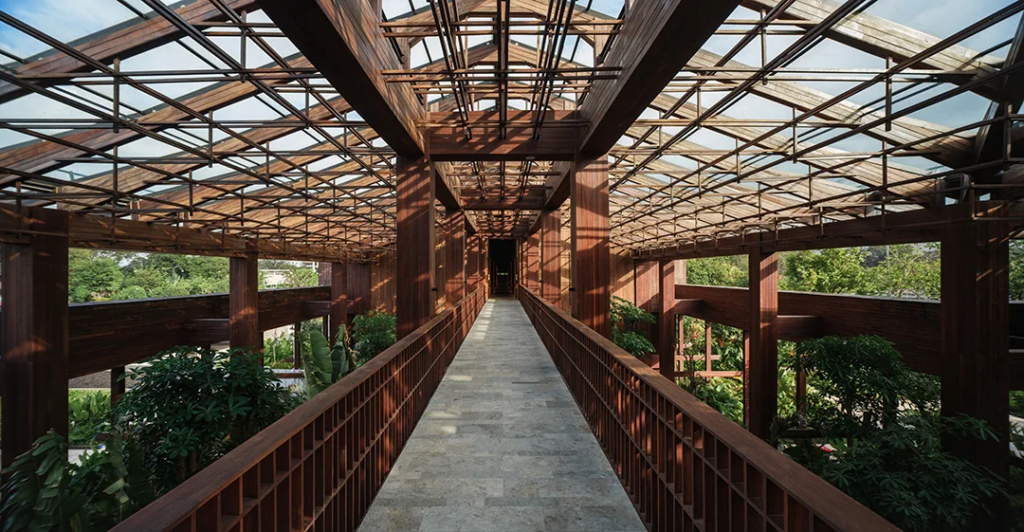
During Nyepi, Bali’s sacred Day of Silence, the resort becomes a temple of quietude, allowing you to experience the island’s profound energy as the entire island stops to reflect.
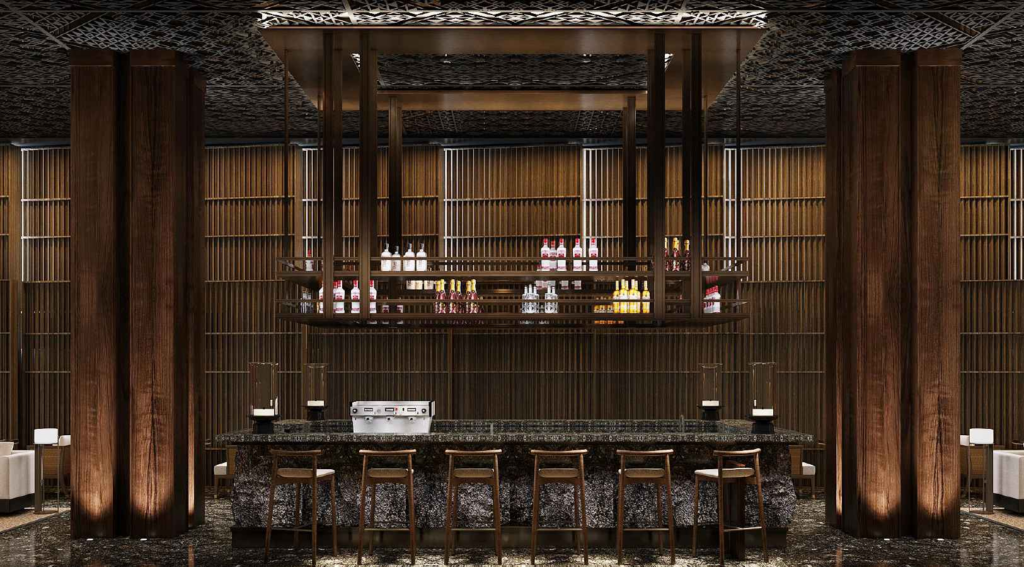
We provide guided experiences that explain the spiritual depth of this ritual, ensuring your stay is both comfortable and culturally significant. We encourage you to explore our Exclusive Offers to secure your place in these limited-time seasonal journeys.
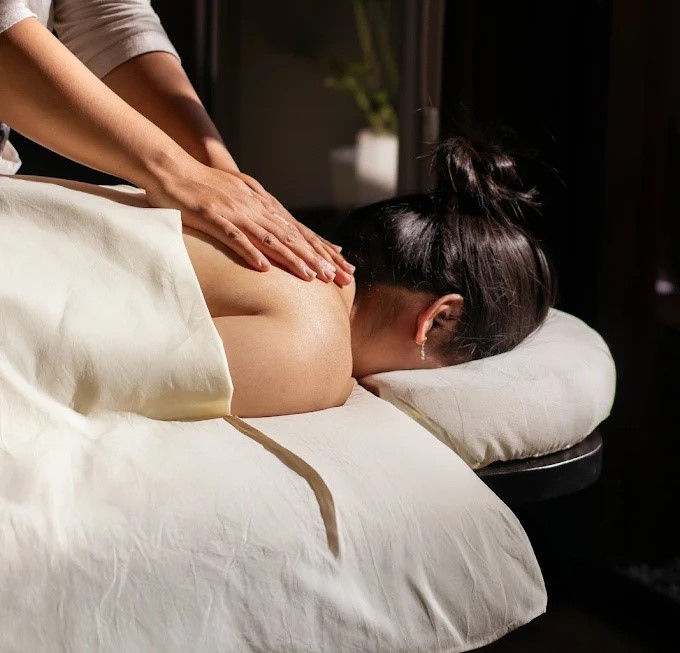
Within the grounds of The Meru Sanur, wellness is not a mere amenity but a guided journey. You might spend your morning participating in a Melukat purification ritual, a sacred water ceremony intended to cleanse the spirit of negative influences.
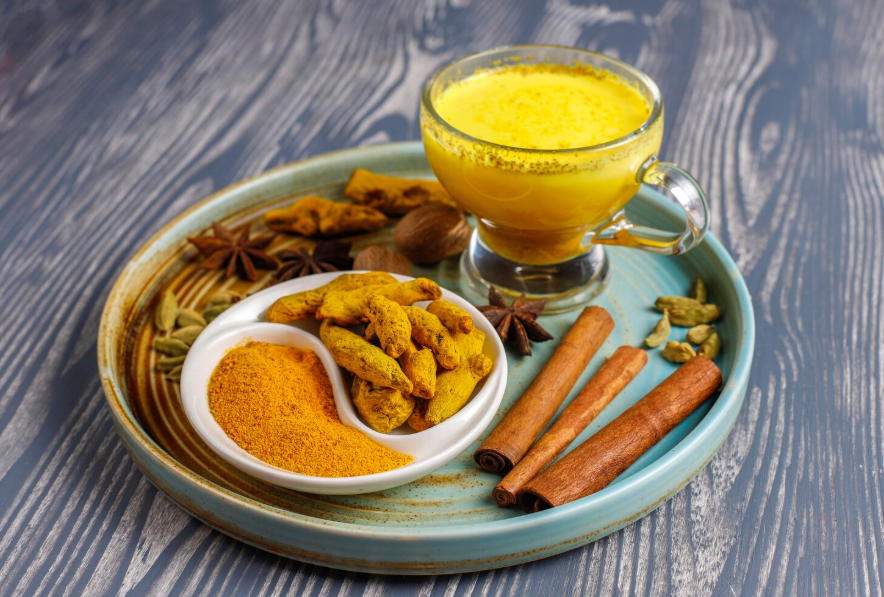
Later, you could enjoy a traditional palm reading with a local practitioner or savor a glass of Jamu, a Balinese wellness beverage made from ancient recipes of turmeric, ginger, and honey. Our facilities include a state-of-the-art sauna and ice bath, providing a modern approach to body recovery that complements our traditional healing practices.
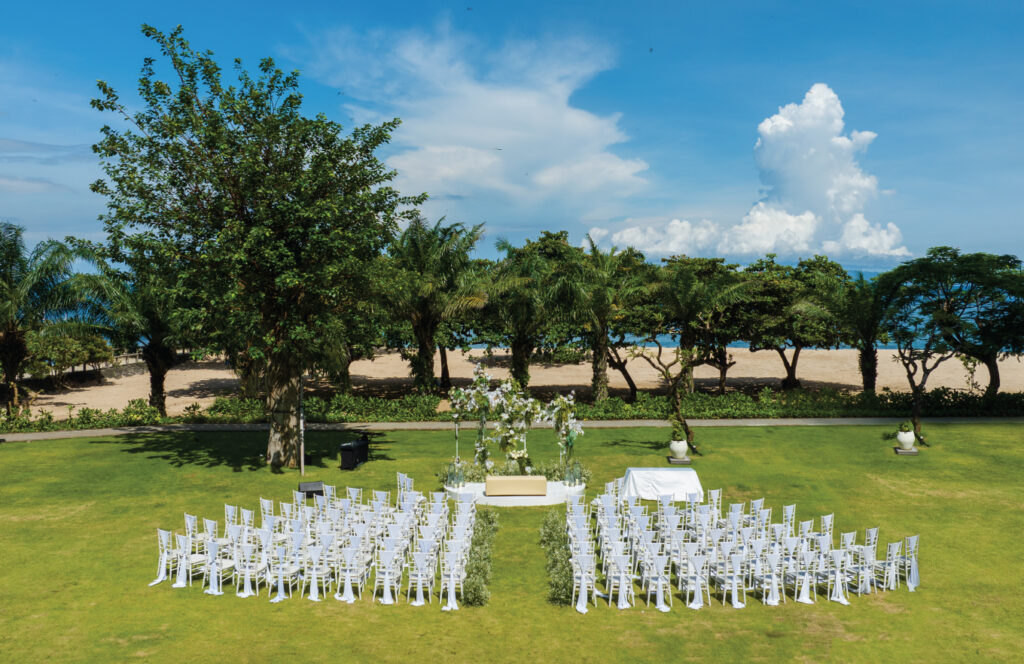
For those dreaming of an intimate luxury beachfront wedding, we provide a setting that is both elegant and bespoke. We focus on emotional storytelling and cultural rituals to ensure your celebration is a private reflection of your personal journey.
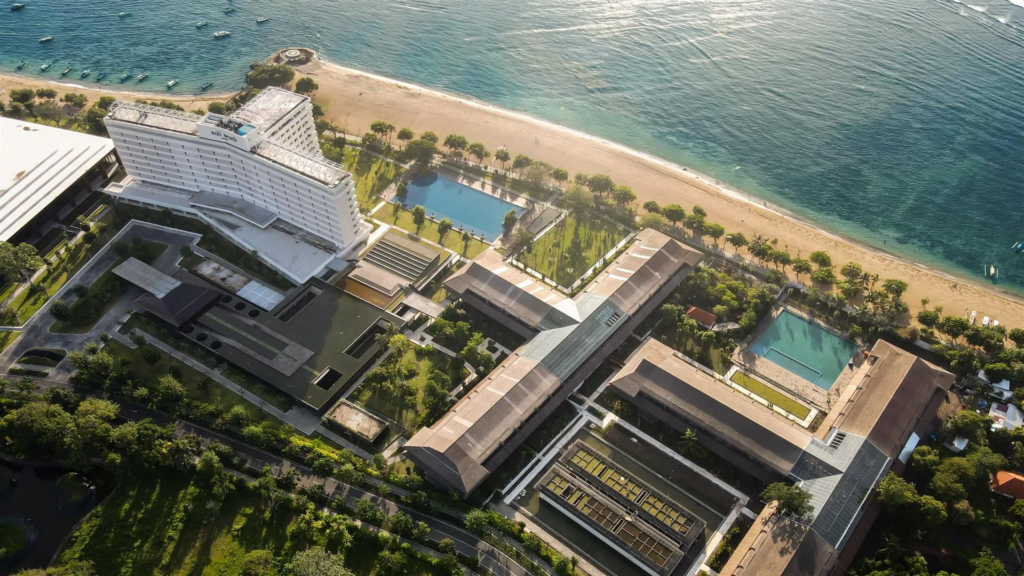
Unlike large-scale corporate venues, we prioritize the intimacy of the moment, surrounded by the natural beauty of the Sanur coast. Whether you are here for a romantic escape, a wellness retreat, or a sacred celebration, we serve as a refined coastal hub where every detail is slow, intentional, and authentically Balinese.
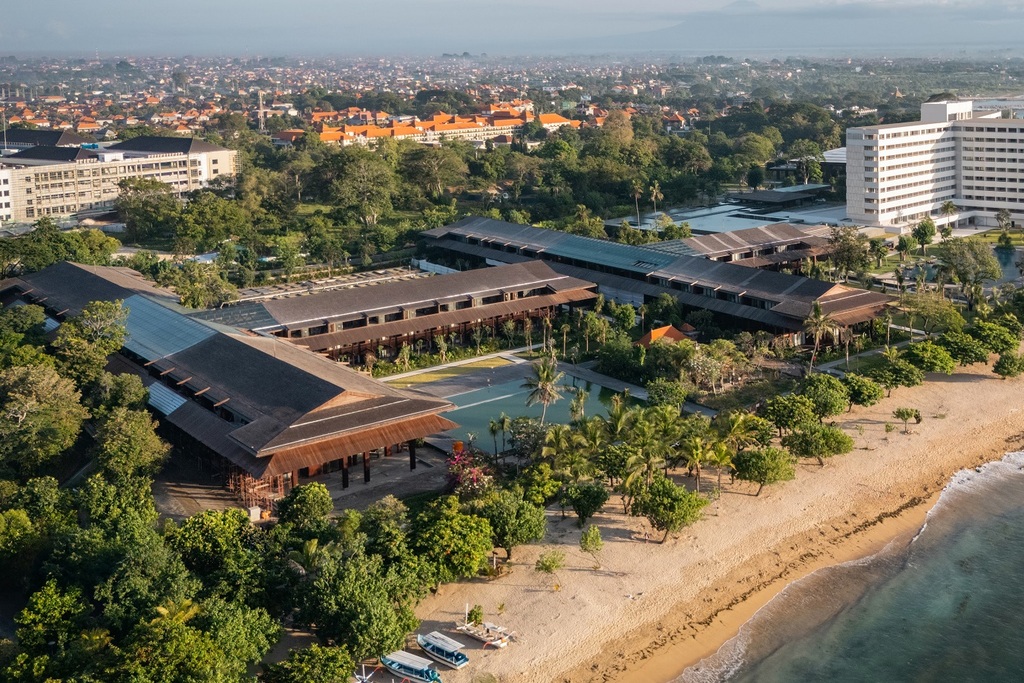
Essential Packing Tips for Bali Tropical Weather
Packing for a trip to Sanur requires a blend of practical foresight and a nod to the refined atmosphere of a luxury resort. Because the weather is consistently warm, breathable fabrics are your best friend.
Choosing the Right Fabrics for Airflow
Select items made from natural fibers such as linen, silk, or organic cotton. These materials enhance airflow, absorb moisture, and remain comfortable even during humid afternoons. Loose silhouettes not only regulate body temperature but also reflect the laid-back yet polished aesthetic associated with Sanur’s beachfront resorts.

In addition, consider packing a light shawl or thin cardigan. While daytime temperatures are warm, evenings by the sea can feel breezy, particularly after sunset dinners along the promenade. Neutral tones and soft textures transition effortlessly from beachwear to casual dining settings.
Essentials for Sun Protection and Skin Health
The tropical sun in Bali can be intense. This makes high-quality and reef-safe sunscreen a necessity for both personal health and environmental responsibility. A wide-brimmed hat and polarized sunglasses provide reliable protection during morning beach walks or cycling along the coastal path. A reusable water bottle is equally important to maintain hydration throughout the day.
Sanur Reef Protection Advice
Our marine preservation team recommends double-checking that your sunscreen is strictly labeled as “Non-Nano Zinc Oxide” or “Titanium Dioxide” based. Traditional chemical UV filters like Oxybenzone or Octinoxate are highly detrimental to the fragile coral structures forming the Sanur lagoon barrier. Using a pure mineral block ensures that your morning stand-up paddleboarding sessions leave zero toxic trace on the ecosystem.

You may also wish to include after-sun care products such as aloe vera gel or a hydrating facial mist. The combination of salt air and sun exposure can quickly dehydrate the skin. Lip balm with SPF and a lightweight long-sleeve cover-up adds an extra layer of protection. These are vital regardless of when you decide is the best time to visit Sanur.
Attire for Sacred Spaces and Rituals
When visiting temples or participating in cultural immersions, modest dress is required. A lightweight sarong and sash are recommended, although many sacred sites provide them at the entrance. Clothing should cover the shoulders and knees as a sign of respect.
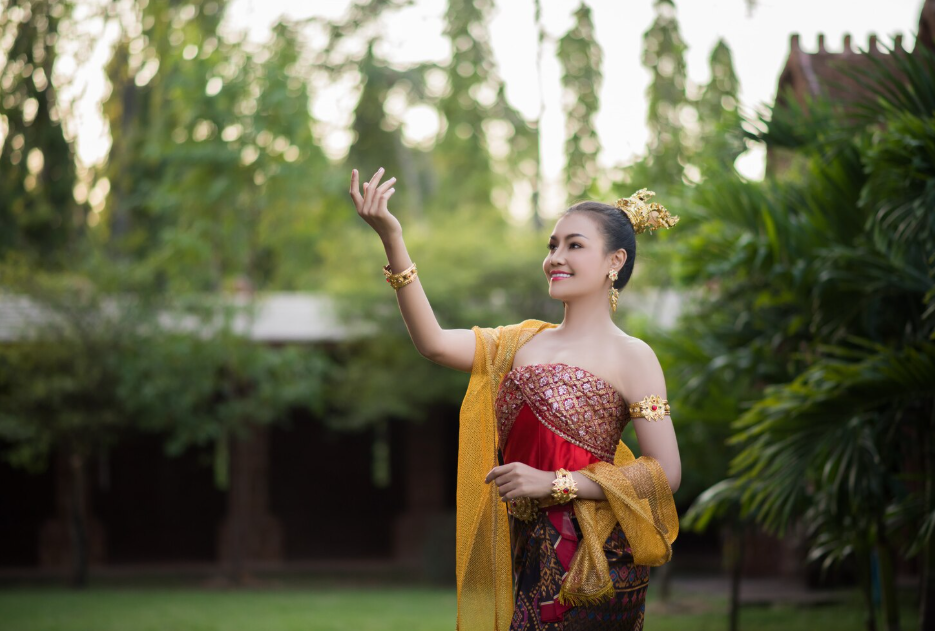
For wellness rituals such as Melukat purification ceremonies, a simple white tunic or modest swimwear wrapped in a sarong is appropriate. Choosing breathable, quick-drying fabrics ensures comfort throughout the ritual while maintaining cultural sensitivity.
Melukat Attire Expert Tip
When selecting your white tunic for the Lukat Toya purification ceremony at our Taru Pramana Garden, our cultural coordinators suggest opting for raw linen instead of synthetic blends. Natural hemp or linen fibers not only breathe flawlessly in the high humidity but also dry down beautifully in the coastal breeze post-ritual, allowing you to transition into the Mebija wet rice blessing phase without any cold fabric discomfort.
Footwear for Exploration and Relaxation
Comfortable walking sandals are ideal for exploring the beachfront promenade and nearby cafes. Flip flops are practical for poolside relaxation and sandy areas. Dressier sandals or espadrilles provide a polished yet relaxed look for evenings at the Sindhu Night Market or refined beachfront restaurants.

It is advisable to select footwear with adequate arch support. This is especially true if you plan to walk or cycle frequently. The terrain here is generally flat and accessible. Heavy boots or formal closed shoes are unnecessary. Packing light and comfortable footwear is a smart move for the best time to visit Sanur.
Gear for Holistic Wellness and Fitness
If you intend to use yoga studios or fitness centers, moisture-wicking activewear will enhance comfort during workouts. For contrast therapy sessions involving sauna and ice baths, packing two sets of swimwear ensures you always have a dry option available. A compact microfiber towel can also be useful for personal convenience.
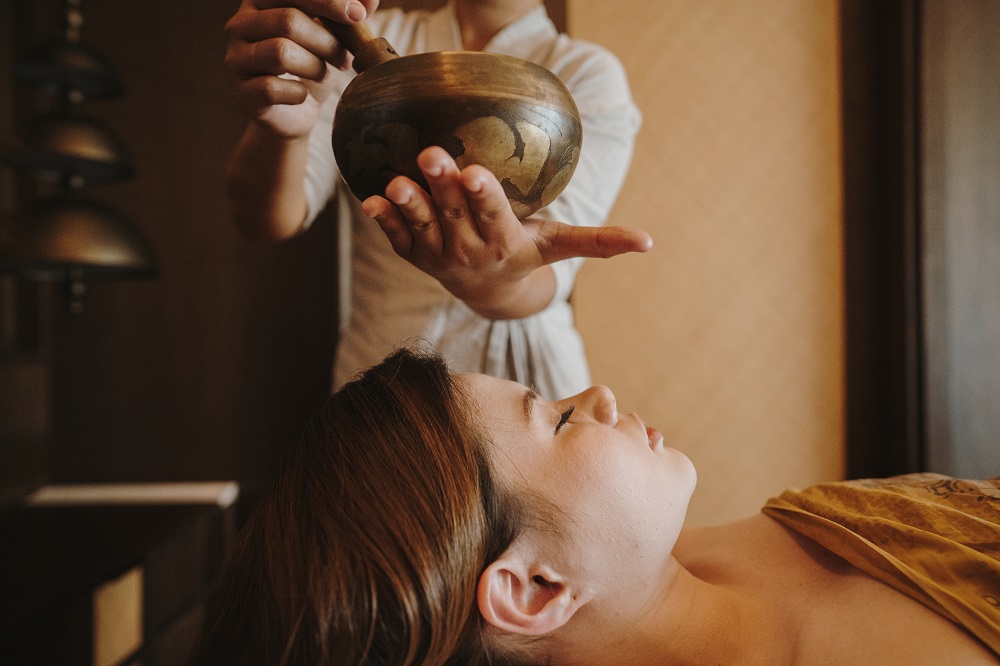
Many travelers bring a small journal or book to complement their wellness retreat. Sanur’s tranquil environment encourages reflection, and quiet moments by the ocean often become integral to the overall rejuvenation experience.
Conclusion
Sanur in 2026 remains a beacon for the discerning traveler who seeks depth over volume and tranquility over noise. Whether you arrive during the golden, breezy days of the dry season or the lush, quiet embrace of the green season, this coastal sanctuary offers a profound opportunity for reconnection.
By choosing a destination that values authenticity and ritual, you ensure that your Bali holiday is more than just a vacation, it is a journey of realignment. We look forward to guiding you through the sacred rhythms of Sanur and providing a refined home for your soul at The Meru Sanur.
FAQs
What is the rainiest month in Sanur, Bali?
Traditionally, January is the month with the highest rainfall in Sanur, averaging approximately 300-350mm. These are usually tropical downpours that occur in intense bursts, often followed by clear spells, rather than constant grey skies.
Is Sanur worth visiting during the rainy season?
Yes, Sanur is absolutely worth visiting during the rainy season, especially for wellness-focused travelers. The rain brings a sense of calm and cooling to the air, making it the perfect time for spa treatments, spiritual rituals, and enjoying the lush, green landscapes without the peak-season crowds.
When is the cheapest time to fly to Bali?
The most affordable flights to Bali are typically found during the low season months of October, November, January, and February, excluding the Christmas and New Year period. Booking several months in advance can often secure better rates for luxury travelers.
*Prices are for reference only and may change without notice. Please contact us directly for current rates.
Does Sanur get flooded during the wet season?
While heavy rain can cause temporary puddles on the streets, Sanur does not typically experience the severe flooding seen in some other parts of Southeast Asia. The local infrastructure and beachfront promenade are well-maintained, ensuring that movement around the neighborhood remains easy.
How many days in Sanur is enough?
To truly settle into the rhythm of the area and experience a full wellness journey, we recommend a stay of at least five to seven days. Planning a Sanur Bali 5 days 4 nights itinerary allows enough time to enjoy the sunrise rituals, immerse in cultural experiences, and find the deep relaxation that a sanctuary like The Meru Sanur offers.
*Prices are for reference only and may change without notice. Please contact us directly for current rates.