

Quiet doesn’t mean empty, and Sanur in January proves that distinction well. The fireworks have faded, the peak-season crowd has flown home, and what’s left is a genuinely calmer version of the same beachfront town, still warm, still busy enough to feel alive, just without the premium pricing and packed restaurants that define the final week of December.
Why January Works for a Quieter Sanur Trip
- Best For: Families and slow travelers, since January’s thinner crowds and shorter waits at attractions make it an easier month to move around with kids.
- Culture: Daily temple offerings and small rituals continue exactly as they do year-round, so cultural texture doesn’t dip just because peak season has passed.
- Good to Know: With the December rush over, January is a genuinely good window for activities that benefit from smaller groups rather than big holiday crowds.
- Pace: January rewards a slower, more deliberate itinerary over a checklist approach, since fewer crowds make lingering at any one spot easier.
- Booking: Coming right after the December peak, January often carries better rates and availability than the preceding month.
Sanur Weather in January
January sits at the wettest point of Bali’s rainy season, and Sanur in January typically sees its highest rainfall of the entire year, averaging somewhere in the 300 to 350mm range. That figure sounds discouraging on paper, but the pattern behind it matters more than the total.
Temperature and Rain Pattern
Mornings in Sanur in January tend to run warm and often genuinely sunny, clouds building gradually through midday before heavier rain arrives in the late afternoon or evening. Downpours are intense but short, usually clearing within an hour or two, leaving a real, usable window for outdoor plans most days.
Daytime temperatures stay warm through January regardless of the rain, typically in the low 30s Celsius, with humidity running high throughout the month. Sea temperature holds steady in the high 20s, making swimming comfortable in Sanur in January just as it is year-round.
Wind patterns during January tend to stay light and variable, similar to December, part of why Sanur’s own reef-protected shoreline continues to offer calmer water than more exposed parts of the island through this entire stretch of the wet season.
Reading the Sky Day to Day
Sunshine hours dip slightly compared with the dry season but still average a genuinely usable several hours a day, enough for a real, satisfying beach morning most days of the month even accounting for the heavier overall rainfall total across the entire period.
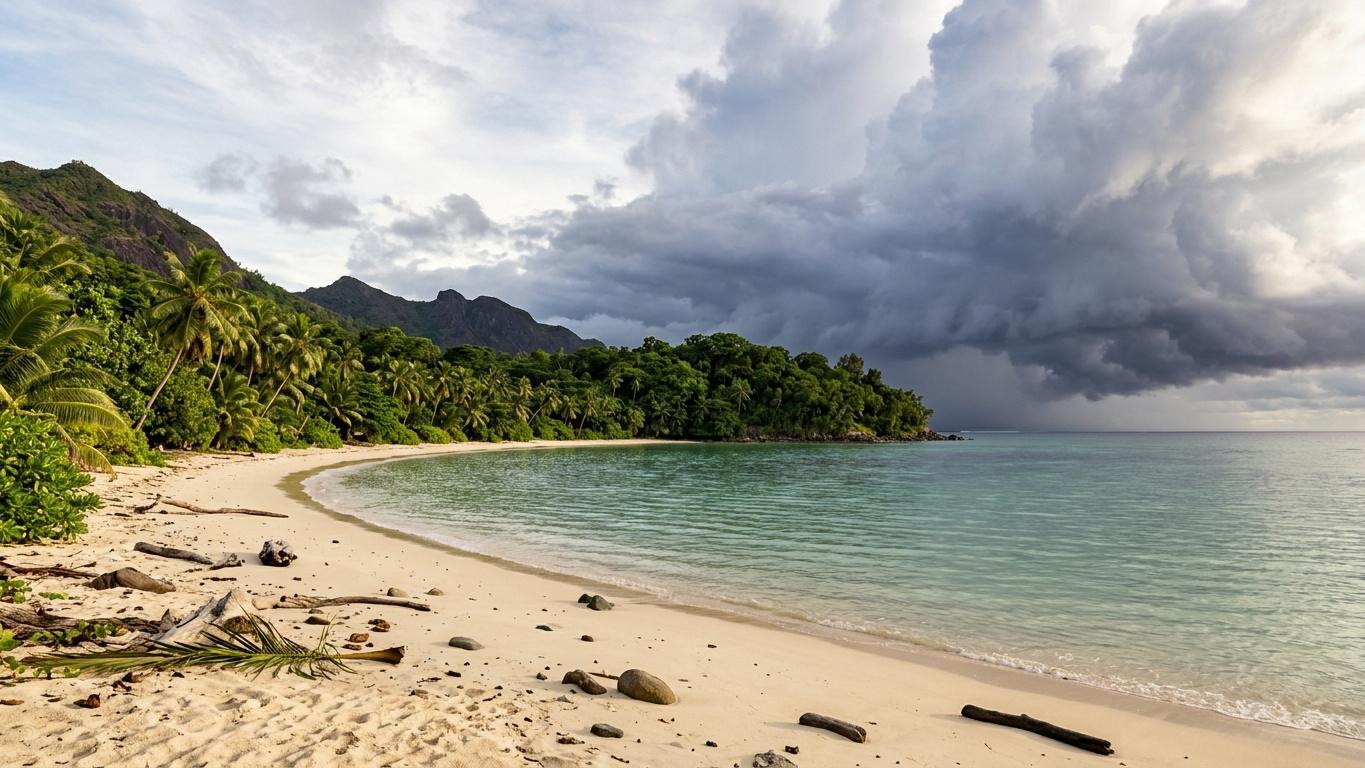
Cloud cover builds visibly through the middle of the day, a useful visual cue for anyone planning outdoor activities, a mostly clear sky by mid-morning is a reasonably reliable sign that the bulk of the day’s plans can proceed as scheduled without needing to reroute around rain.
Local weather forecasts tend to run reliably accurate a day or two out during this stretch of the wet season, worth checking each evening for the following day’s outlook rather than relying purely on the general afternoon-shower pattern alone to plan an entire day around.
Why January Is a Quieter, More Affordable Time to Visit Sanur
Prices drop sharply once the December 23rd to January 6th peak window closes out, and Sanur in January routinely offers noticeably better room rates than the same properties charged just weeks earlier over the holidays. It’s one of the more meaningful value windows on Bali’s annual travel calendar.
Lower Prices Across the Board
Flight prices follow the same downward curve as hotel rates, dropping noticeably from the holiday peak once the first week of January passes, another real cost advantage for travelers with flexible dates who can shift a trip even slightly later into the month.
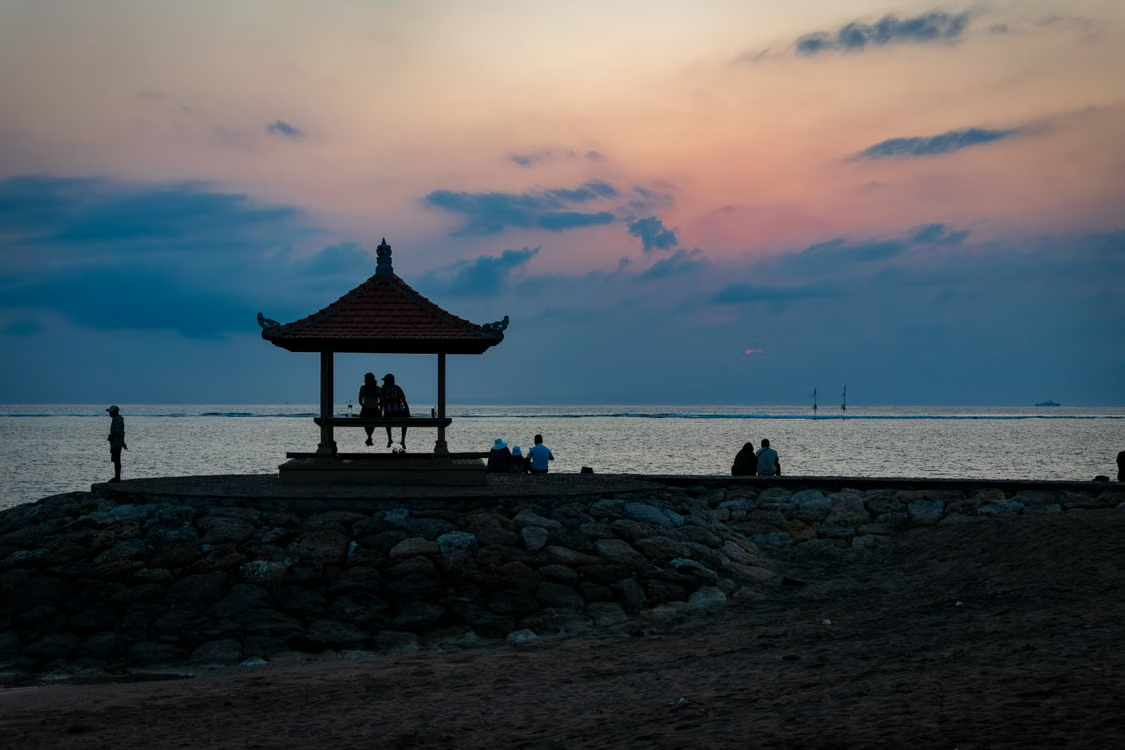
That combination, real savings paired with genuinely thinner crowds, makes Sanur in January a strong pick specifically for travelers who don’t need to time a trip around the holidays themselves and would rather trade a guaranteed festive atmosphere for a quieter, better-value stay.
Thinner Crowds, More Spontaneity
The crowds thin out just as dramatically. Restaurants that required a reservation days in advance during peak season return to walk-in availability, and the beachfront promenade itself carries a noticeably calmer, more local rhythm than the visitor-heavy final week of December.
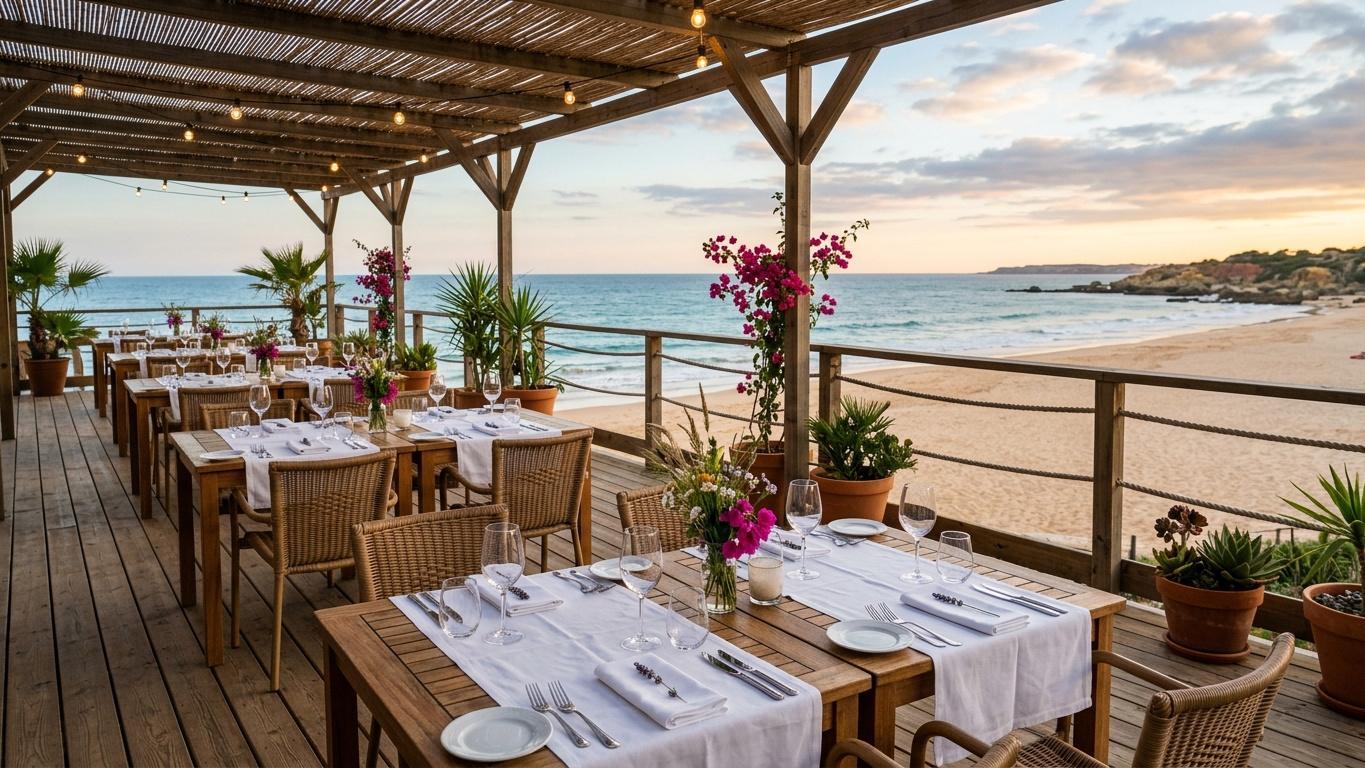
Popular restaurants and activity operators that required advance booking during the December rush generally return to accepting same-day reservations by mid-January, giving visitors far more spontaneity in how a given day actually unfolds.
Transport around Sanur itself, ride-hailing apps, drivers, and rental scooters, also runs more freely once the peak-week congestion clears, cutting down on the wait times and surge pricing that can crop up during the busiest holiday days of the entire year.
Post-Holiday Sanur: What Changes After New Year
The shift is immediate and noticeable. Within the first week of January, hotel occupancy across Sanur drops from its holiday peak, and the town’s own pace visibly slows, fewer beachfront events, fewer fully booked restaurants, more of the everyday local rhythm that defines Sanur outside the festive season.
Service and Atmosphere
Staff and service across hotels and restaurants also tend to have more breathing room once the peak rush passes, a genuinely appreciable difference for travelers who value attentive, unhurried service over a busier, more transactional peak-season pace.

Decorations and festive touches from the December holidays generally come down within the first couple weeks of January, so a visitor arriving mid-month or later should expect Sanur’s normal year-round character rather than any lingering holiday atmosphere.
Local Life Returns to Normal
Local life visibly returns to its normal rhythm too, fishing boats back on their regular schedule, Sindhu Market running its usual mix of morning produce and evening food stalls without any of the added holiday foot traffic layered on top. It’s arguably the most authentic version of Sanur available across the entire year, holiday energy gone, tourist infrastructure still fully running.
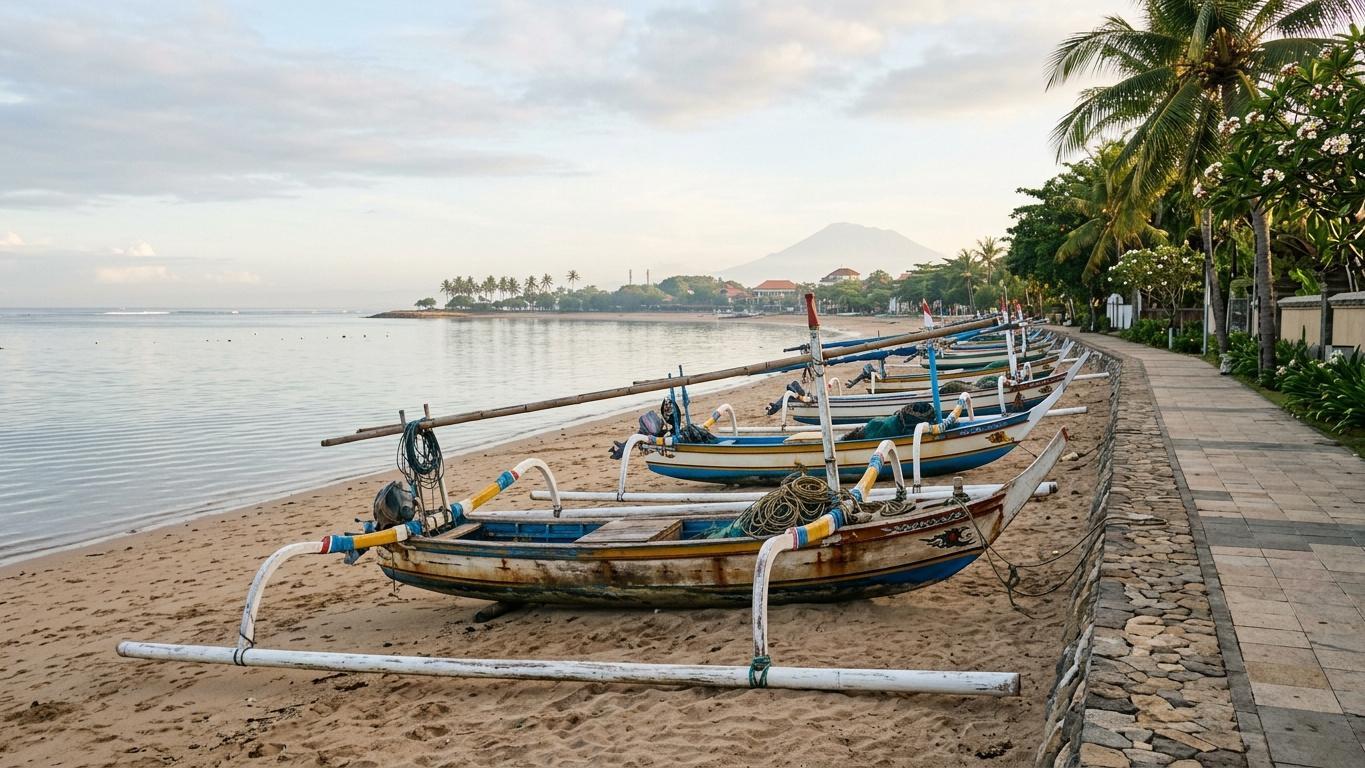
Balinese daily life continues entirely unaffected by the shift in international holiday travel, canang sari offerings placed each morning, small temple ceremonies on their own separate schedule, a visible reminder that Sanur’s own culture runs independently of whichever week of the visitor calendar a given trip happens to land on.
Best Things to Do in Sanur in January
The same morning-clear, afternoon-rain pattern that shapes December also defines Sanur in January, worth building a day around accordingly.
Morning: Beach, Promenade, and Day Trips
Outdoor plans, a promenade walk, a swim, a visit to Blanjong Temple or the Le Mayeur Museum, all work best scheduled before midday. With the peak-season crowds gone, January is also a genuinely good month for activities that get uncomfortably busy in late December, an unhurried walk through Sindhu Market or a quiet morning at Mertasari Beach among them.
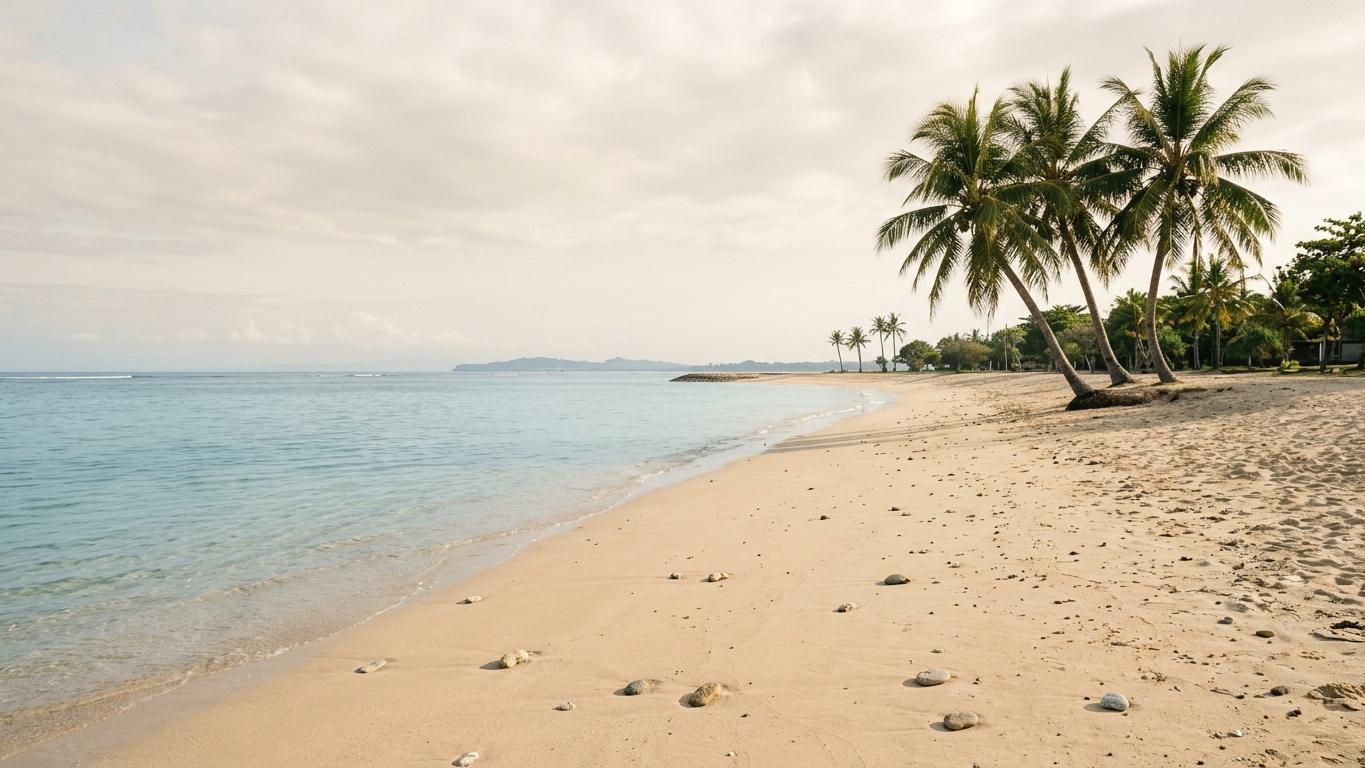
A half-day trip inland toward Ubud is worth considering during this specific window too, January’s quieter tourist numbers extend well beyond Sanur itself, meaning fewer crowds at the region’s more popular inland sites as well, not just along the coast.
Afternoon: Spas and Workshops
Afternoons suit indoor or covered activities well during this stretch, a spa treatment, a cooking class, or simply a slow lunch through a passing shower rather than fighting the weather directly. A spa booking that doesn’t require reserving days in advance is a genuine perk of this quieter month specifically.

Cooking classes, craft workshops, and other indoor-friendly activities genuinely earn their keep during Sanur in January, exactly the kind of afternoon plan that turns a rainy stretch into a highlight rather than a scheduling obstacle to work around.
A Note for Photographers
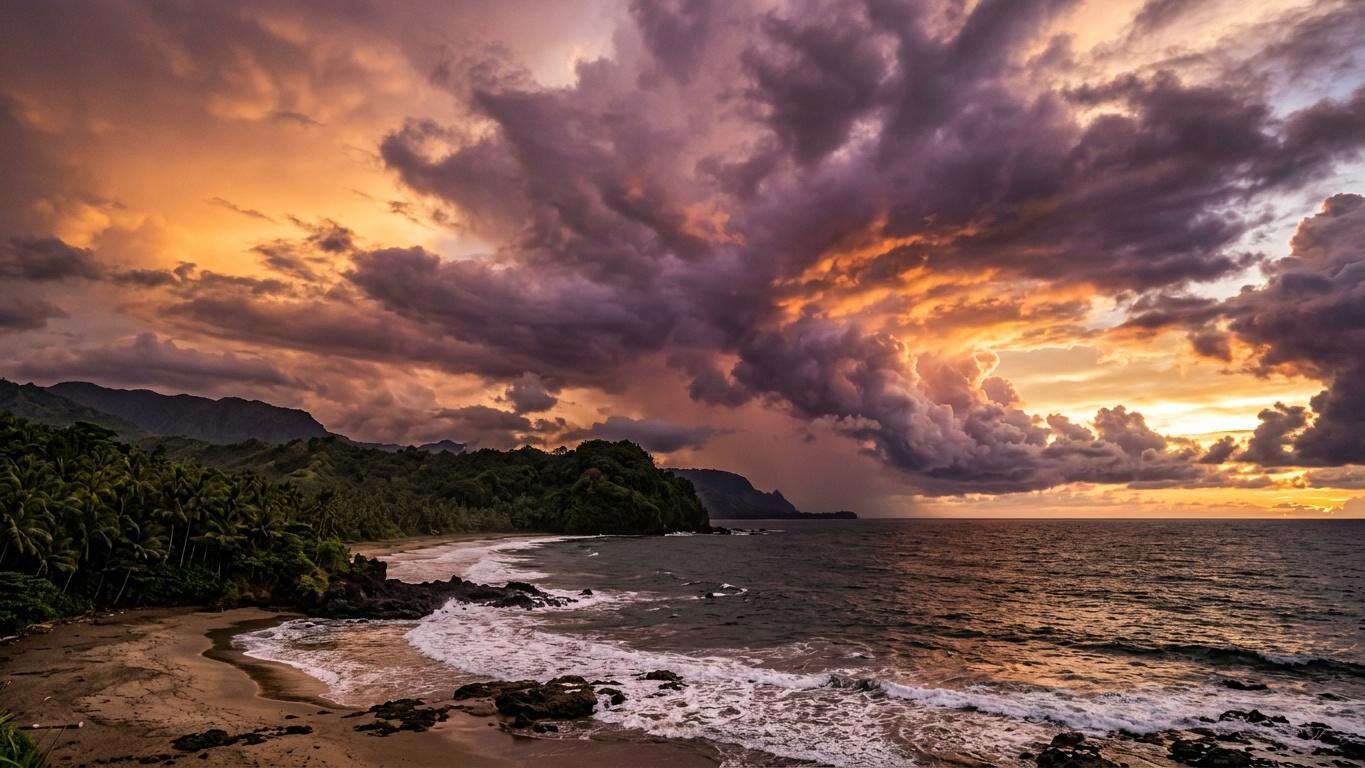
Photography specifically benefits from January’s storm-adjacent skies, dramatic cloud formations building through the afternoon before clearing into vivid evening color, a genuinely different visual character from the flatter, more consistently blue skies of the dry season.
East Coast Surf Season: Why Sanur Beats the West Coast in January
January actually favors Bali’s east coast for water activities specifically, Sanur included, since the wet-season swell direction lines up better with east-facing breaks than with the west coast spots that dominate during the dry season.
Surfing and Swimming
Sanur’s own reef-protected inner reef stays calm enough for casual swimming regardless, while the outer reef break offers a genuine wet-season surf option for more experienced riders, a real point of difference from towns like Canggu and Uluwatu, which run largely off-season for surfing during this exact stretch of the year.
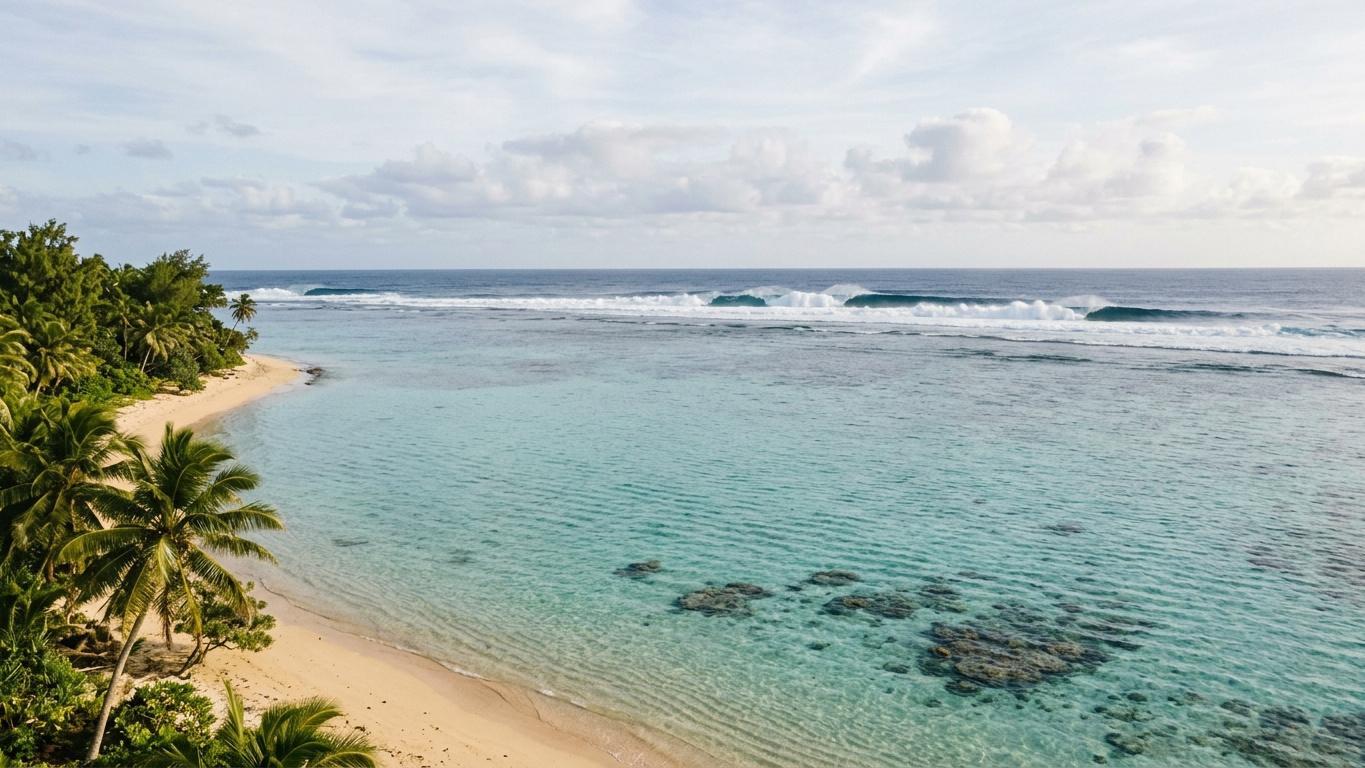
That east-coast advantage extends to general water clarity too, Sanur’s water tends to stay cleaner through January than the more wind-and-runoff-affected west coast, a real practical reason to base a January beach trip here specifically.
Surf schools and board rental operators along Sanur’s own coastline stay open through January, though the outer reef break suits intermediate and advanced riders more than complete beginners, given the wet-season swell’s genuinely different character from the smaller, calmer, more forgiving conditions found closer to shore.
Paddleboarding, Kayaking, and Island Trips
Stand-up paddleboarding and kayaking remain solid beginner-friendly options regardless of the season, Sanur’s inner reef staying calm enough for both activities even during January’s wetter, wave-heavier stretch further out.

Snorkeling trips to nearby Nusa Lembongan or Nusa Penida also continue running through this period, though operators generally build in more flexibility around scheduling given the less predictable sea conditions further from Sanur’s own protected shoreline. Ferry crossings toward these neighboring islands can face occasional weather-related delays during the wetter stretch of the year, worth building an extra buffer day into any itinerary that depends on a specific crossing time rather than scheduling a tight connection right afterward.
Traveling With Kids During This Quieter Month
Families find this window genuinely appealing for a few practical reasons, thinner crowds at attractions, shorter waits for restaurant tables, and hotel staff with more capacity to accommodate a family’s specific needs than during the fully booked holiday weeks.
The same morning-clear, afternoon-rain pattern shapes how a family day should be structured, outdoor time and pool visits scheduled for the first half of the day, indoor activities and rest built into the afternoon once showers typically arrive.
Kids’ clubs and family-oriented programming at Sanur’s resorts also tend to run with smaller groups during this quieter stretch, often translating into more individual attention from staff than during the busier holiday weeks when capacity runs closer to full.
Meal times also run more relaxed for families during this window, shorter waits at restaurants and a genuinely calmer dining room atmosphere than the busier, more time-pressured evenings that come with the December peak. High chairs, kids’ menus, and other family-oriented details are also easier to arrange without advance notice once the busiest weeks of the year have passed.
Why the post-holiday lull actually favors families
The advantage isn’t just fewer people in the abstract — it’s shorter waits at the specific attractions families tend to queue for, which matters more with young kids in tow than any weather difference.
If your trip has any flexibility at all, shifting a family visit from the December rush into January is one of the simplest ways to get an easier version of the same destination.
Balinese Cultural Life in Sanur During January
Daily offerings and small temple rituals continue throughout January exactly as they do year-round, a visible thread of Balinese practice that runs independently of both the international holiday calendar and the island’s own 210-day Pawukon ceremonial cycle.
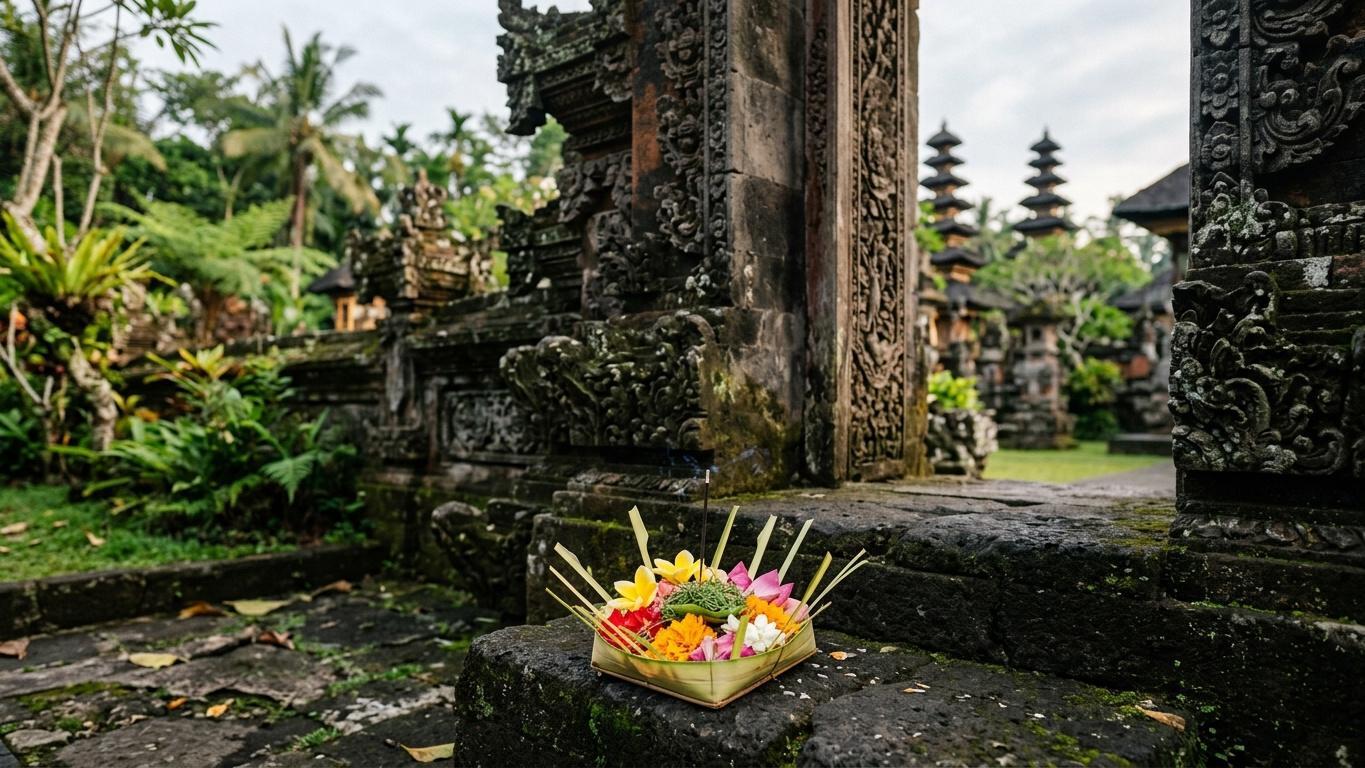
2027’s Pawukon calendar doesn’t place a major island-wide ceremony like Galungan or Kuningan within January specifically, so visitors shouldn’t expect to catch either during a January trip, though smaller, more localized temple ceremonies do still occur on their own separate schedule throughout the month.
Sanur’s own historic sites, Blanjong Temple and the Le Mayeur Museum among them, stay open and accessible through January regardless of the broader ceremonial calendar, a reliable way to engage with the town’s culture and history on any given day of a January visit.
Ceremony season doesn’t pause when tourist season does
Daily canang sari offerings and small temple rituals carry on in January exactly as they do the rest of the year, so travelers looking for authentic cultural texture aren’t trading it away by avoiding peak months.
It’s a useful reminder that Bali’s spiritual calendar runs on its own rhythm, independent of the tourism calendar — worth keeping in mind when planning what to see.
January Events and Activities Beyond the Beach
With the December rush behind it, January offers a genuinely good window for activities that benefit from smaller groups and more personal attention, a private cooking class, a one-on-one wellness session, or a guided cultural tour booked with real flexibility around timing.
Local markets, both Sindhu Market’s own daily rhythm and smaller neighborhood markets scattered through Sanur’s back streets, return to their normal, quieter pace by January, making them genuinely pleasant to browse rather than something to navigate around a holiday crowd.
Day trips further afield, toward Ubud, Nusa Penida, or Bali’s own temple circuit inland, also benefit from January’s quieter overall tourist numbers, shorter queues and thinner crowds at sites that can feel genuinely overwhelmed during the December peak.
Cultural performances and dance shows around Denpasar and Sanur continue their regular schedules through this window too, generally easier to get tickets for on short notice than during the fully booked holiday weeks when popular shows sell out well in advance.
Museum visits specifically benefit from the thinner crowds, a slower, more considered walk through the Le Mayeur Museum’s own collection without needing to navigate around a busy holiday-week tour group moving through the exact same rooms at once.
The month rewards activities that need a smaller group
With the December crowds gone, January opens up options that are genuinely better done in smaller groups — workshops, guided walks, and similar activities where a big crowd would dilute the experience.
It’s worth treating January less as a fallback month and more as the deliberate choice for anyone who wants a more hands-on version of Sanur’s cultural offerings.
What to Pack for Sanur in January
Packing for Sanur in January means preparing for both sun and rain within the same day, much like December, since neither ever fully rules out the other.
- A lightweight rain jacket or packable poncho, given how reliably afternoon showers arrive during this specific month.
- Quick-dry clothing suited to Bali’s consistently high January humidity.
- Reef-safe sunscreen, still essential through the morning’s sunny stretch even on days with afternoon rain forecast.
- A dry bag for electronics, useful for any outing that might run into a passing shower.
- A light sweater or layer for air-conditioned spaces, a real contrast to the warm, humid air outside.
Tips for Visiting Sanur in January
A handful of small habits make a January trip run more smoothly, worth keeping in mind while planning.
- Schedule outdoor plans for the morning specifically, Sanur in January’s weather is most reliable before midday.
- Take advantage of post-holiday rates by booking a stay in the first two to three weeks of the month rather than waiting.
- Confirm which restaurants and spas have returned to normal operating hours, some scale back slightly during the quieter weeks right after New Year.
- Keep a flexible backup plan for any afternoon activity in case a shower runs longer than the typical hour or two.
- Pack for both sun and rain in the same day, since Sanur in January regularly delivers both within a single afternoon.
Sanur in January vs December
The core weather pattern barely changes between the two months, both bring warm mornings, afternoon showers, and similarly high rainfall totals, rainfall actually runs slightly higher in January than December on average, so neither month offers a meaningfully drier alternative to the other. The real difference between them comes down to crowds and cost rather than weather.
Atmosphere and Booking Flexibility
Travelers chasing a festive atmosphere, fireworks, New Year’s Eve events, a genuinely lively beachfront, should stick with December specifically. Travelers who’d rather have thinner crowds, better rates, and a more relaxed pace should lean toward January instead.

Booking flexibility also differs meaningfully between the two months, December requires locking in reservations weeks or months ahead for anything popular, while Sanur in January generally allows far more spontaneity, a same-week booking rarely runs into the kind of sold-out availability that defines the holiday peak.
Which Month Suits Families Better
Families weighing the two months should factor school holiday schedules into the decision too, December’s school break in many countries pushes family travel demand higher during that specific window, while January sees a more even mix of traveler types once the holiday rush passes.
Who Should Visit Sanur in January
This quieter month suits some traveler types far more than others, worth checking against a few common profiles.
Wellness and Cost-Conscious Travelers
Wellness-focused travelers get real value from Sanur in January specifically, quieter spas, shorter waits for treatments, and a genuinely more relaxed property-wide atmosphere at hotels that were running at full capacity just weeks earlier.
Cost-conscious travelers benefit directly from the post-peak pricing drop, often securing the same room category and property that commanded holiday-season rates just weeks before at a noticeably lower cost.
Photographers, Couples, and Repeat Visitors
Photographers and travelers drawn to dramatic weather find January genuinely rewarding too, the interplay between bright morning light and building afternoon storm clouds offers a visual character the flatter, more uniform dry-season skies simply don’t provide at any point.
Couples wanting a low-key, restful trip also do well choosing this window, fewer group tours, fewer families on school break, and a generally calmer overall atmosphere across the town’s restaurants and beachfront spaces.
Repeat visitors who’ve already experienced the December rush at least once often gravitate toward this quieter alternative on a second or third trip specifically, having already seen the festive version and preferring the calmer, more locally paced experience instead.
Remote Workers and Longer Stays
Remote workers and longer-stay travelers also find this stretch of the year particularly practical, hotel rates that stay reasonable across an extended stay, fewer competing demands on a property’s staff and facilities, and a genuinely workable rhythm between short bursts of rain and long, productive stretches of clear weather in between. Reliable WiFi and a genuinely quiet property both matter more for this traveler type than for a short holiday stay, and both come easier once the peak crowd has moved on.
Who Should Choose December Instead
Travelers who specifically want a festive, high-energy atmosphere, fireworks, packed beachfront events, a lively New Year’s countdown, should stick with December instead, since the whole appeal of this quieter month rests on the crowd and energy having already moved on.
Where to Stay in Sanur in January
A beachfront property with genuine indoor space and a strong wellness program suits Sanur in January particularly well, given the quieter pace and the same afternoon-rain pattern that shapes the whole month.
The Meru Sanur
The Meru Sanur‘s quieter January occupancy makes it an especially strong month for a wellness-focused stay, shorter waits for spa bookings and activities, and a genuinely more relaxed property-wide pace than the resort sees during the December peak.
Benang Jiwa, the resort’s weekly mindfulness workshop series, suits January’s quieter rhythm particularly well, Sunday’s Akar Wangi soap bar making or Thursday’s Suara Semesta sound healing class both work as a genuinely unhurried way to spend part of a rainy afternoon without the booking pressure a busier month brings.
Active Wellness, running 7:00 to 16:00, fits neatly into January’s reliable morning weather window, Chakra Yoga’s 45 minutes of yin asanas and guided meditation makes a genuinely restful start to a quieter day.
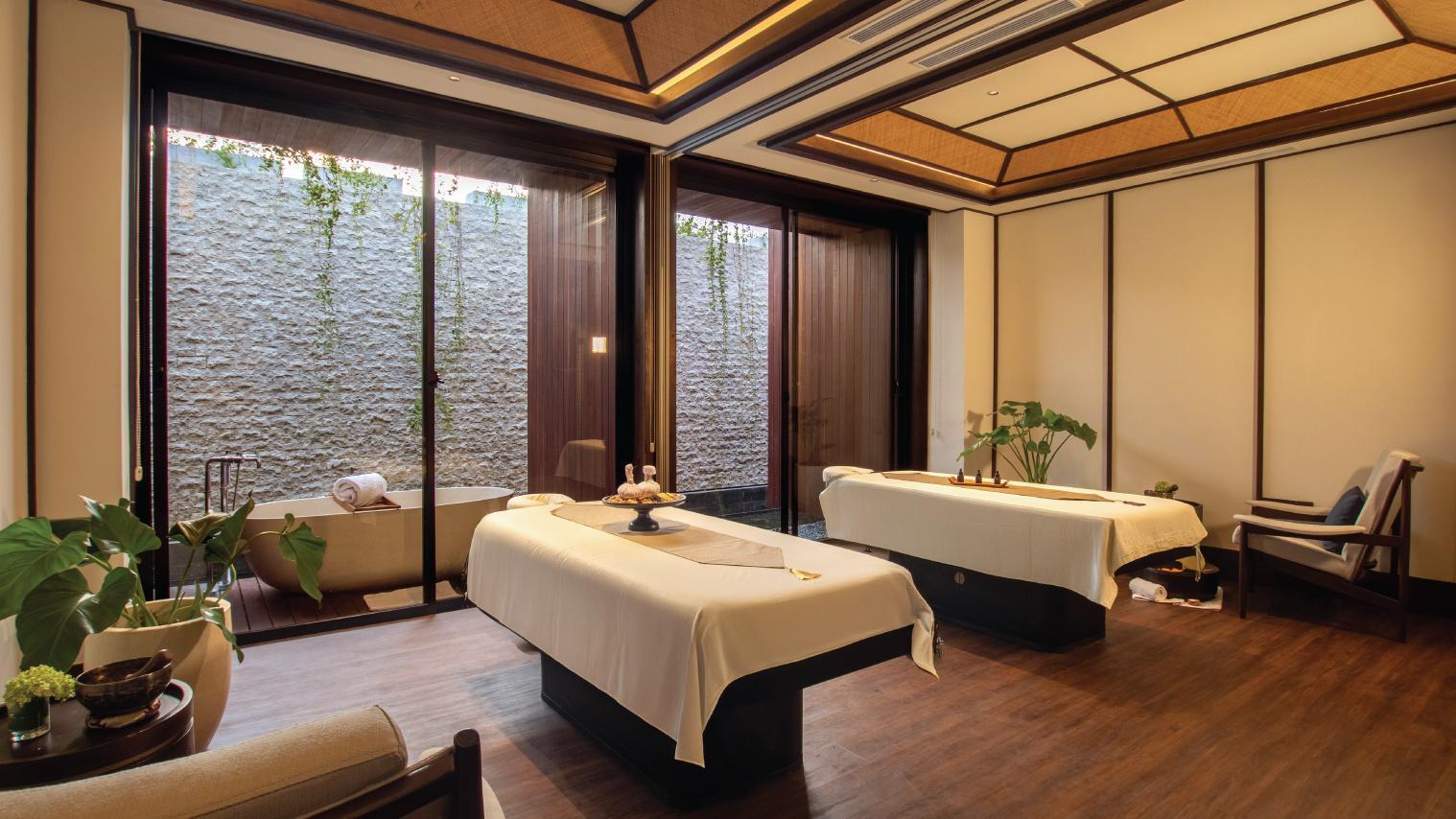
Crystal Quartz Massage‘s Seven Sacred Stones Massage, a 90-minute Balinese hot stone treatment with sacred sound bowl vibrations, is easier to book on shorter notice during January’s quieter stretch than during the fully booked December peak.
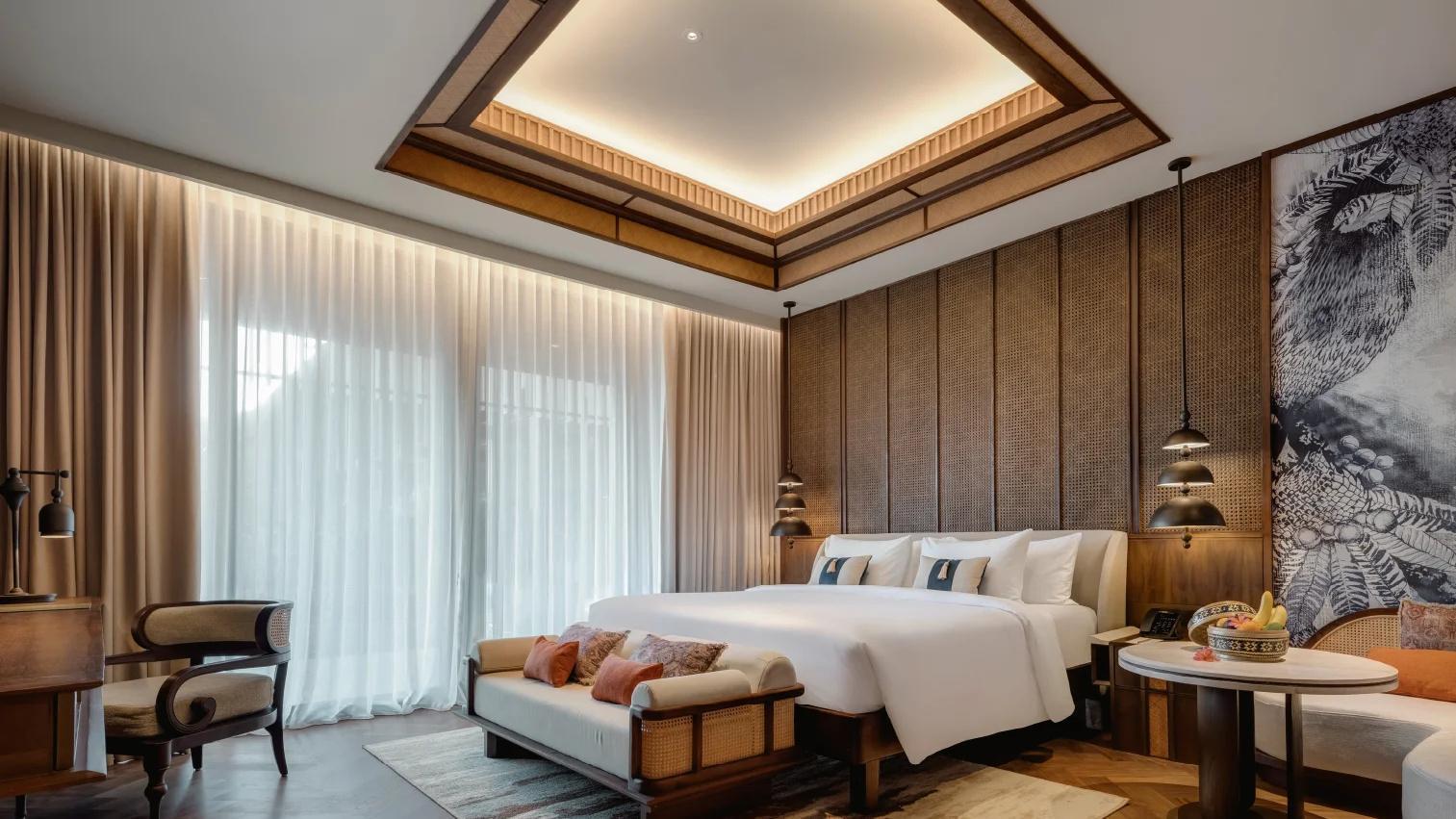
The genuinely all-suite layout, 184 suites with no standard rooms, gives every guest real indoor space to spend a January afternoon shower in comfort. The Tropical Suite, 83 square meters with a private balcony, suits a couple wanting a straightforward, well-priced base during this specific shoulder-season stretch.

Arunika Restaurant, set amid the pool within the main gardens, returns to its normal, easier-to-book rhythm by January, breakfast included complimentary for Meru guests from 6:30, well timed for anyone planning outdoor activities before the day’s rain arrives.
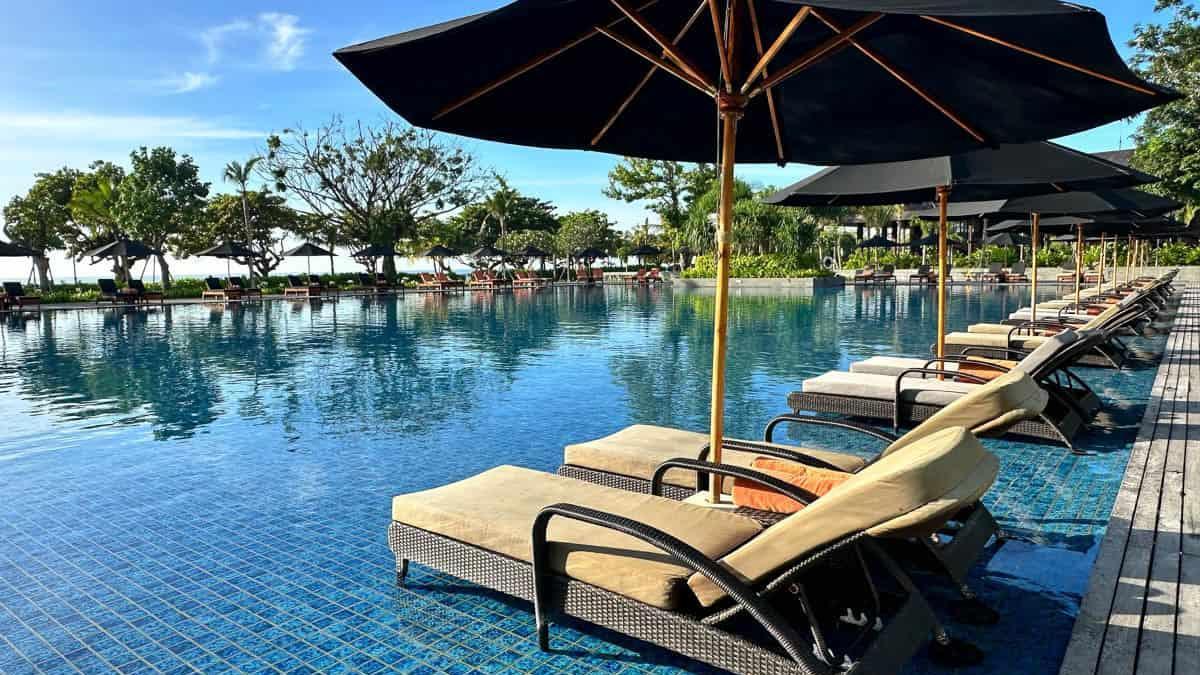
The Meru Pool, exclusive to guests and facing directly over Sanur Beach, stays just as warm and swimmable through January as any other month, a reliable option regardless of what the afternoon sky is doing.
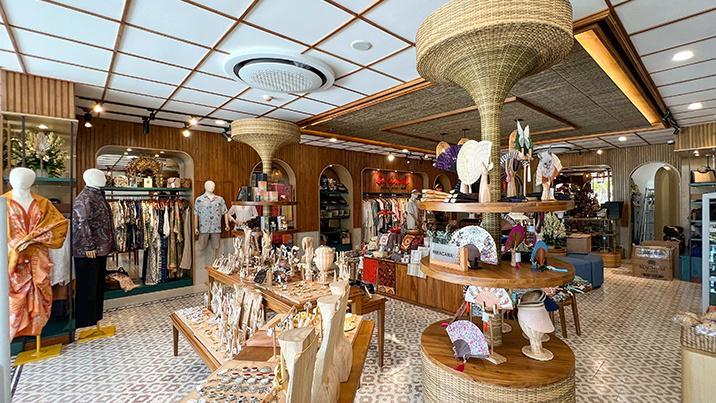
The resort’s Sarinah store, stocked with traditional and contemporary Indonesian textiles and crafts, is easier to browse unhurried during the quieter post-holiday weeks, without the busier foot traffic that regularly fills the store through the entire December peak.
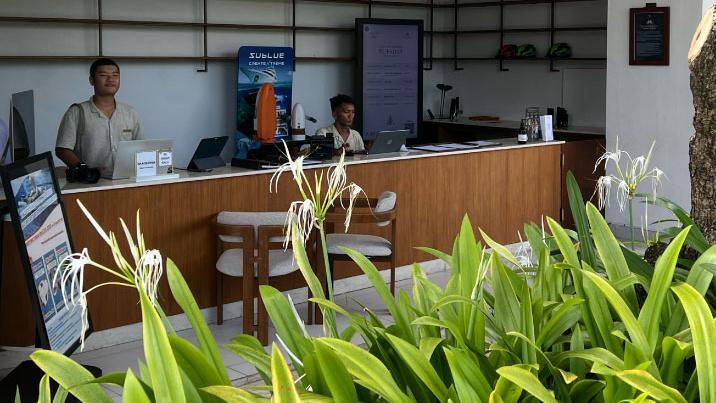
The Activity Desk, open 7:00 to 20:00, can help arrange a guided excursion or day trip during this quieter stretch, often with more flexibility on timing than during the fully booked December weeks.
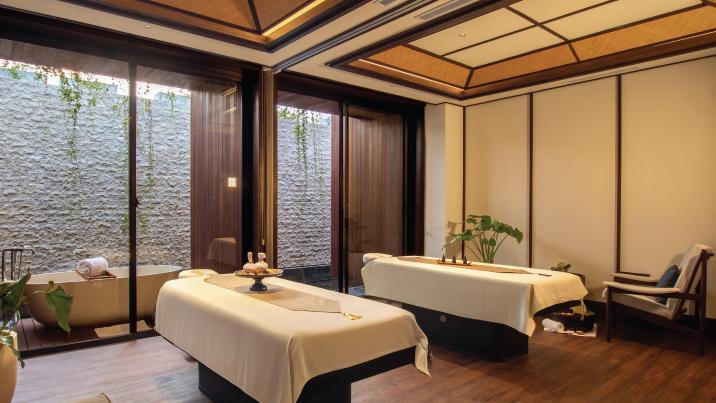
Taru Pramana Spa & Wellness, open 9:00 to 21:00, sees noticeably shorter booking lead times once the holiday rush passes, making it genuinely easier to slot in a treatment on short notice than during the resort’s busiest weeks of the year.
Detailed Information:
- Address: Jalan Hang Tuah, Sanur Kaja, Denpasar Selatan, Kota Denpasar, Bali 80227, Indonesia
- Phone Number: +62 361 2012000
- Reference Price: From roughly $210 USD per night, generally lower than the December peak-season rate
Conclusion
Between warm water, genuinely thinner crowds, and noticeably better rates than the December rush, Sanur in January rewards travelers willing to trade a festive atmosphere for a calmer, more affordable version of the same beachfront town.
Book a stay at The Meru Sanur for a January trip built around genuine rest, a quieter property, easier spa bookings, and wellness programming ready for whenever the afternoon rain rolls in.
*Prices are for reference only and may change without notice. Please contact us directly for current rates.
Read more: Sanur in December 2026: Weather, Events & Where to Stay
Frequently Asked Questions
Is January a good time to visit Sanur?
Yes, particularly for travelers prioritizing value and quieter crowds over guaranteed dry weather. Sanur in January brings warm mornings, afternoon showers, and noticeably lower prices than the December peak season.
How much rain does Sanur get in January?
January is typically Sanur’s wettest month, averaging around 300 to 350mm of rain, though showers usually arrive as short, heavy downpours in the afternoon or evening rather than lasting all day.
Is Sanur cheaper in January than December?
Yes, noticeably. Prices drop sharply once the December 23rd to January 6th peak window closes, making Sanur in January one of the better value stretches on Bali’s annual travel calendar.
Is Sanur good for surfing in January?
Sanur’s outer reef offers a genuine wet-season surf option for experienced riders in January, while Bali’s usual dry-season west coast spots run largely off-season during this specific month.
What is the weather like in Sanur in January compared to December?
Very similar, both months bring warm mornings and afternoon rain, with January typically running slightly wetter overall. The main difference between the two months comes down to crowds and pricing rather than weather.