August is, by almost every measure that matters to a traveller, the high point of Bali’s calendar. It sits squarely in the middle of the dry season, the skies are clear, the trade winds are reliable, and the island is alive with festivals. Nowhere captures that energy in a calmer, more liveable form than Sanur, the historic east-coast beach town that gave birth to Bali tourism in the 1950s and still holds onto its slow, cultured rhythm today.
This guide covers everything you need to plan a trip to Sanur in August 2026: what the weather actually does (with the numbers), how crowded and expensive it gets, the cultural events that make the month special, the best things to do, where to eat, what to pack, and where to base yourself for a restorative stay by the sea.
What Makes August in Sanur Different from the Rest of Bali
- Why Visit: Sanur in August is the antidote to the version of Bali that people complain about — busy, but never overwhelming.
- Weather: August delivers some of the most dependable weather of the entire Balinese year.
- Packing: August is dry, sunny, hot, and breezy, so packing is straightforward with a few items that make the trip more comfortable.
- Rain Risk: August carries only about a 7% daily chance of rain, among the lowest of the year.
- Crowds: August is Bali’s peak season island-wide, so booking accommodation and activities early matters more than in quieter months.
Why Visit Sanur in August?
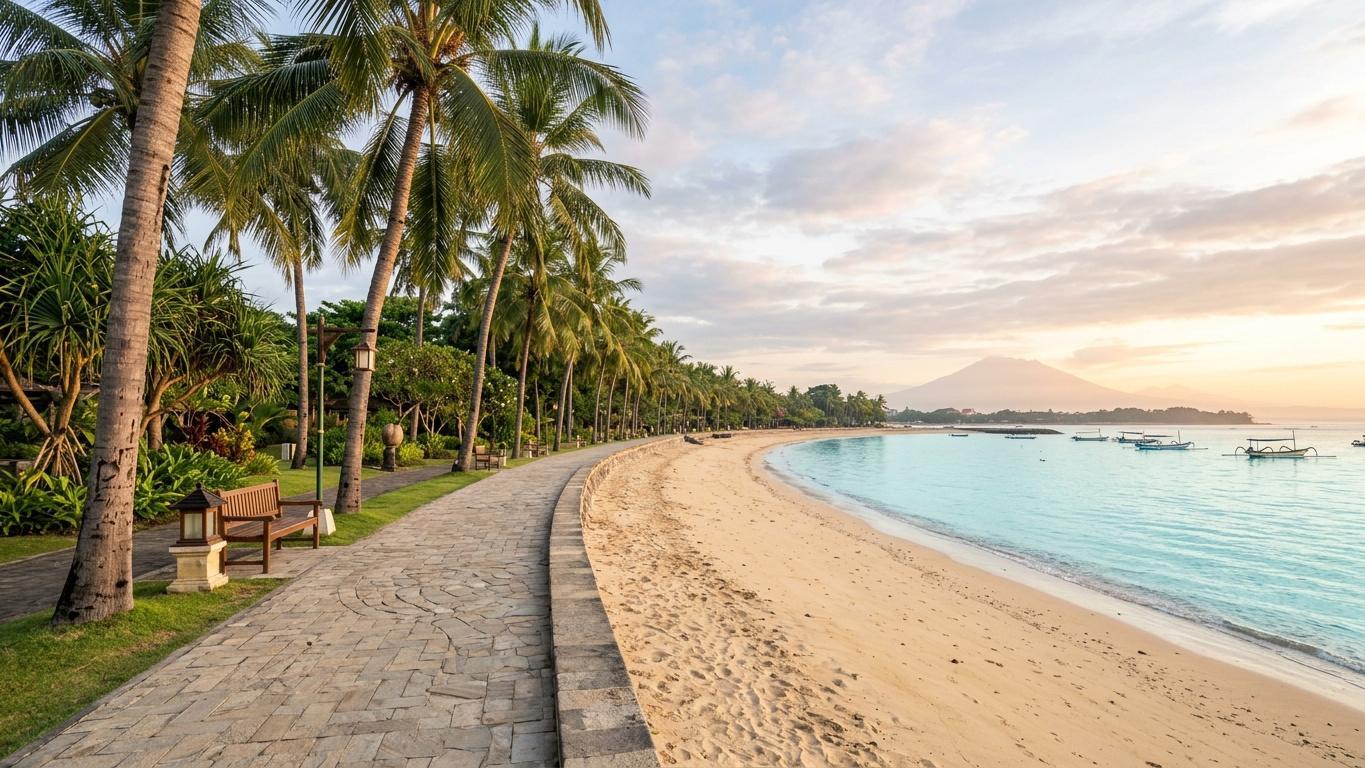
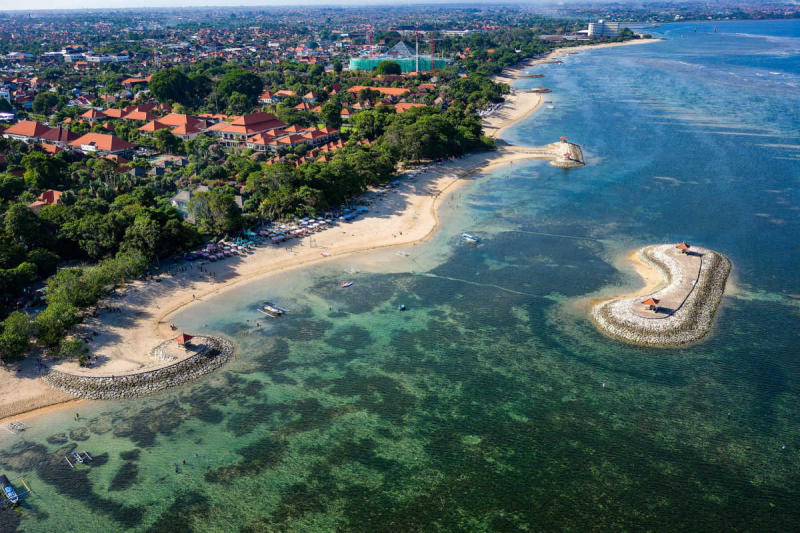
Sanur in August is the antidote to the version of Bali that people complain about. While Seminyak, Canggu, and Kuta absorb the full force of peak-season crowds and traffic, Sanur offers the same flawless dry-season weather inside a quieter, more grounded setting. The town faces east, so it is the rare stretch of Bali coastline where the sun rises directly over the ocean. A reef sits offshore for several kilometers, flattening the surf into a calm, swimmable lagoon that is gentle enough for children and ideal for paddleboarding, kayaking, and early-morning swims.
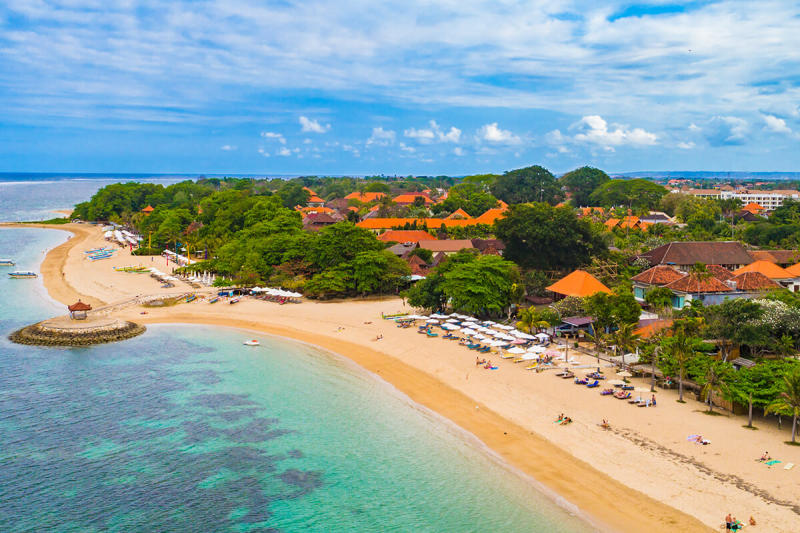
August is also the heart of Sanur’s own festival season. The town is the spiritual home of Balinese kite flying, and the skies above Padang Galak and Mertasari beaches fill with enormous traditional kites throughout the month. Add Indonesian Independence Day on 17 August, plus easy fast-boat access to Nusa Penida and Nusa Lembongan, and Sanur becomes a strategic, comfortable base for exploring east and southeast Bali without sacrificing peace and quiet.
The trade-off, of course, is that August is genuinely busy and prices climb to their annual peak. The rest of this guide will help you work around both.
Busy island, calmer town
August is Bali’s peak season island-wide, but Sanur’s character — broad promenade, mature shade trees, and a slower pace — means it absorbs that peak-season crowd far more gracefully than the southern beach hubs.
That makes August in Sanur a genuine exception to the usual peak-season complaint: you get the dependable weather without the overwhelming crowding that defines the same month elsewhere on the island.
Sanur Bali Weather in August 2026
August delivers some of the most dependable weather of the entire Balinese year, and the data backs up the reputation. Sanur sits in a hot tropical climate with a short dry season, and August is its driest, sunniest, and least humid month.
Daytime temperatures in Sanur during August typically peak around 29°C (84°F), cooling to a comfortable 23–24°C (74–75°F) at night. Because Bali is so close to the equator, temperatures barely shift across the year, but August nights feel slightly fresher than the muggy wet-season months thanks to lower humidity.
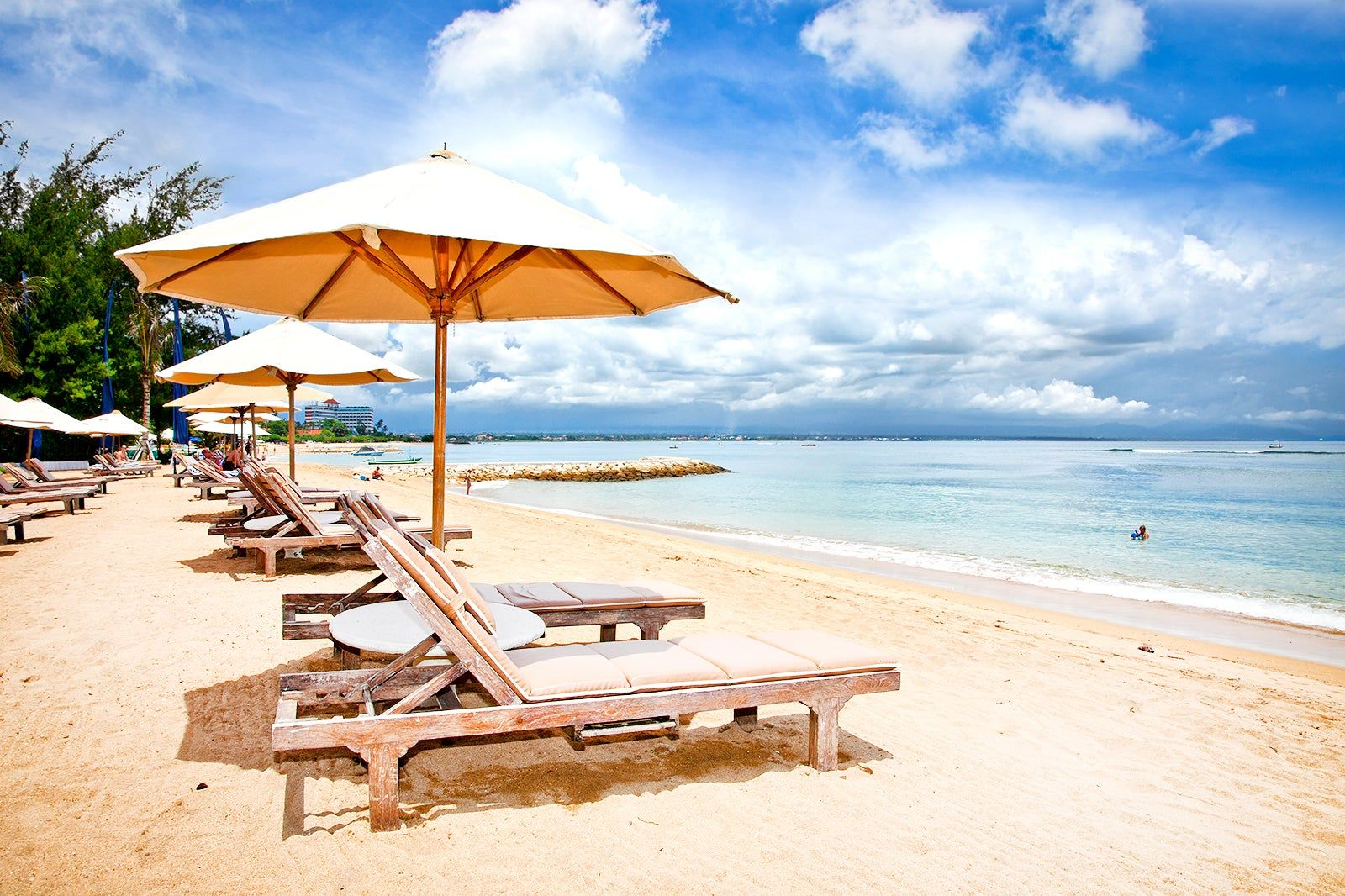
Rainfall is the headline statistic. August is the driest month in Sanur, with roughly 42–44 mm of rain spread across just a single rainy day on average. On any given day in August, the chance of rain is only around 7 percent, which means you can plan beach days, island trips, and outdoor dinners with a confidence that is simply impossible during the November-to-April wet season, when January alone can drop over 300 mm.
Sunshine is abundant. Sanur averages close to 10 hours of bright sunshine per day in August, which works out to roughly 85 percent of available daylight hours. Humidity sits at its lowest annual level, around 74–80 percent, so the heat feels far more bearable than the sticky conditions earlier in the year.
The sea is warm and inviting, hovering around 26°C (79°F). It is worth noting that the water reaches its coolest point of the year around late August, but at 26°C it remains perfectly pleasant for swimming, snorkeling, and diving. August is also one of the windiest months, with average wind speeds near 19–20 km/h (about 12 mph). For most beach activities, this means a refreshing breeze, and for kite enthusiasts, it is precisely why the festival season peaks now.
| Weather factor | August average | What it means for you |
|---|---|---|
| Daytime high | ~29°C (84°F) | Warm, comfortable beach days |
| Night-time low | ~23–24°C (74°F) | Pleasant, a light layer is enough |
| Rainfall | ~42–44 mm | Driest month of the year |
| Rainy days | ~1 day | Rain rarely disrupts plans |
| Chance of rain (daily) | ~7% | Highly reliable dry weather |
| Sunshine | ~10 hrs/day (85% of daylight) | Bright, sunny mornings and afternoons |
| Humidity | ~74–80% | Lowest of the year, heat feels milder |
| Sea temperature | ~26°C (79°F) | Comfortable for swimming and diving |
| Wind speed | ~19–20 km/h | Breezy, ideal for kites and kitesurfing |
The most dependable month of the year, by the numbers
August’s weather reliability isn’t just a general impression — it’s backed by the data, making it one of the safest months to plan an outdoor-heavy itinerary without a rain contingency eating into the schedule.
For travelers choosing between Bali’s months mainly on weather risk, August is close to the lowest-risk pick available.
How Busy Is Sanur in August? Crowds, Prices, and Booking Tips
There is no getting around it: August is peak season across Bali, and that reality shapes everything from room rates to restaurant waiting times. Understanding the scale helps you plan around it.
Bali welcomed roughly 6.95 million foreign visitors across 2025, a near-10 percent increase on the previous year, according to Indonesia’s Bureau of Statistics (BPS). The summer months drive a large share of that total. In August 2025, BPS Bali recorded 682,866 foreign tourist arrivals on the island, one of the busiest months of the year and slightly down from July’s seasonal high of 697,107. Australians consistently lead the visitor mix, accounting for over 21 percent of arrivals in August 2025, with European travelers on summer holidays adding significantly to the numbers.
That demand pushes hotels toward capacity. Star-rated hotel occupancy across Bali sat near 69.5 percent in August 2025, climbing through the peak period. In practical terms, the best-located and best-value rooms in Sanur sell out weeks in advance, and rates rise to their annual peak, on par with the Christmas and New Year window.
Sanur itself, however, absorbs crowds far more gracefully than the southern beach hubs. Its broad beachfront promenade stretches more than five kilometers, the streets are lined with mature shade trees rather than gridlock, and the town’s family-friendly, retiree-favored character keeps the atmosphere relaxed even at peak occupancy. You will share the beach with more people than in May or September, but you are unlikely to feel overwhelmed.
Booking Strategy for August
To get the most out of a peak-season trip, a few habits make a real difference:
- Book accommodation early. Sanur’s best rooms and resorts fill up quickly for August; reserving two to three months in advance protects both choice and price.
- Lock in airport transfers and day trips in advance. Fast boats to Nusa Penida and private drivers get heavily booked around festival weekends.
- Travel midweek where possible. Weekends draw both international tourists and domestic visitors from across Indonesia, especially around 17 August.
- Start your days early. Sanur is at its best and least crowded between 6:00 and 10:00 AM, before the heat and the crowds build.
Peak-Season Snapshot
| Factor | August reality | Planning takeaway |
|---|---|---|
| Tourist volume | Among the year’s busiest (682,866 foreign arrivals islandwide, Aug 2025) | Expect popular sites to be busy |
| Hotel occupancy | ~69.5% islandwide and rising | Book well ahead |
| Accommodation prices | Annual peak, comparable to Christmas | Budget more, reserve early |
| Crowd feel in Sanur | Lively but relaxed vs. Seminyak/Canggu | Quieter than the southern hubs |
| Best time of day | Early morning | Beat heat and crowds |
Festivals and Events in Sanur This August 2026
August is when Sanur’s cultural identity comes fully to life. The town’s festival calendar blends sacred Balinese-Hindu tradition with national celebrations, and several of the island’s signature events take place right on Sanur’s doorstep.
Bali Kite Festival (Denpasar Kite Festival)
If there is one event that defines Sanur in August, it is the kite festival. Officially known as the Denpasar Kite Festival, or Festival Layang-Layang Denpasar, it is confirmed in the Bali Provincial Government’s 2026 Calendar of Events and runs across the windy July-to-August stretch, peaking in this period when the trade winds are strongest.
The spectacle is hard to overstate. Village teams, known as banjar, build colossal traditional kites that can stretch up to 10 meters across, with tails trailing as long as 100 meters behind them. It takes teams of dozens hauling ropes in unison to launch a single kite. Three classic forms dominate the skies: the fish-shaped Bebean, the leaf-or-diamond Pecukan, and the dramatic bird-and-dragon Janggan with its extraordinarily long tail. Some kites carry vibrating bamboo bows called guwang that produce a resonating hum audible from far across the beach.
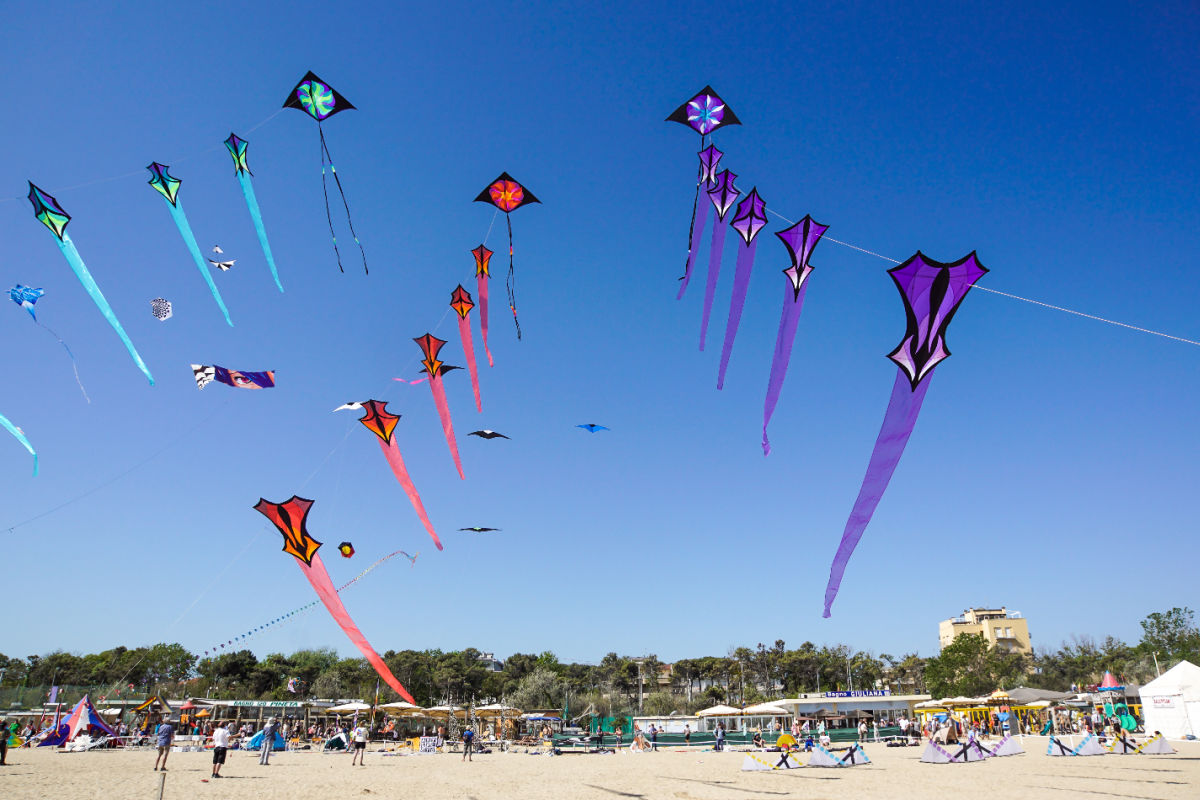
The festival’s roots are spiritual. Kite flying was historically an offering to the Hindu gods, sending thanks for a good harvest and asking for blessings for the land. It was formalized into a competition in the 1970s, and teams from across Bali now compete for trophies, including the prestigious Governor’s Cup, alongside international teams from Japan, France, Australia, the Netherlands, and beyond.
To watch, arrive at Padang Galak or Mertasari Beach in the morning, when the kite competition kites launch around or shortly after sunrise to catch the best winds. Bring water, sun protection, and something to sit on, and keep well clear of the launch zones and the lines running across the sand.
Bali Kite Festival (Denpasar Kite Festival) — Information Location: Padang Galak Beach and Mertasari Beach, Sanur, Denpasar, Bali When: July–August 2026 (peak season; exact competition dates announced closer to the event, subject to wind conditions) Entry: Free to attend on the public beach (grandstand areas may carry a nominal fee) Best time: Early morning, around sunrise Official source: lovebali.baliprov.go.id
Indonesian Independence Day (17 August 2026)
On 17 August, Indonesia marks the anniversary of its 1945 declaration of independence, and in 2026, the nation celebrates its 81st year. While Bali’s observance is more understated than Jakarta’s grand parades, the island still comes alive with red-and-white flags lining streets, homes, and businesses.
The most authentic celebrations happen in local neighborhoods rather than tourist zones. Villages and community halls host flag-raising ceremonies and traditional games such as panjat pinang (climbing a greased pole to grab prizes at the top) and balap karung (sack races). It is a national public holiday, so expect busier roads and some local businesses to close for the day. For travelers, wandering into a neighborhood banjar away from the main strip offers a genuine, communal glimpse of Indonesian culture.
Sanur Village Festival (Sanfest)
The Sanur Village Festival, affectionately known as Sanfest, is the town’s own home-grown celebration, created to preserve Balinese customs while promoting Sanur as a destination. It typically unfolds over several days at Mertasari or Pengembak Beach and features cultural performances, traditional jukung boat races, food bazaars, art exhibitions, live music, and a wealth of family-friendly activities.
A practical note on timing: Sanfest’s dates have shifted in recent years and are not always fixed to August, with some editions held later in the year. If experiencing Sanfest is a priority for your trip, confirm the 2026 dates against the official Bali Provincial Government events calendar before booking.
Other August Events Worth Knowing
Beyond Sanur, August’s island-wide calendar gives day-trippers plenty of options. These dates are drawn from the 2026 events calendar and should be reconfirmed closer to travel:
- Ubud Village Jazz Festival (7–8 August 2026): an intimate jazz weekend near Ubud featuring Indonesian and international musicians.
- Maybank Marathon (21–23 August 2026): one of Bali’s largest running events, starting at Bali Safari & Marine Park in Gianyar.
- Lovina Festival (Lovfest) (23–25 August 2026): a celebration of north Bali’s culture and coast in the Lovina area.
August Events Summary
| Event | Location | Typical 2026 timing | Entry |
|---|---|---|---|
| Bali/Denpasar Kite Festival | Padang Galak & Mertasari, Sanur | July–August (peak) | Free |
| Indonesian Independence Day | Islandwide, incl. Sanur | 17 August | Free |
| Sanur Village Festival (Sanfest) | Mertasari/Pengembak, Sanur | Dates vary — confirm officially | Mostly free |
| Ubud Village Jazz Festival | Near Ubud | 7–8 August | Ticketed |
| Maybank Marathon | Gianyar | 21–23 August | Registration |
| Lovina Festival | Lovina, North Bali | 23–25 August | Free |
Best Things to Do in Sanur in August
August’s dry, breezy weather opens up the full range of Sanur’s experiences, from sunrise rituals to island adventures. Here is how to make the most of the month.
Watch the Sunrise and Cycle the Beachfront Promenade
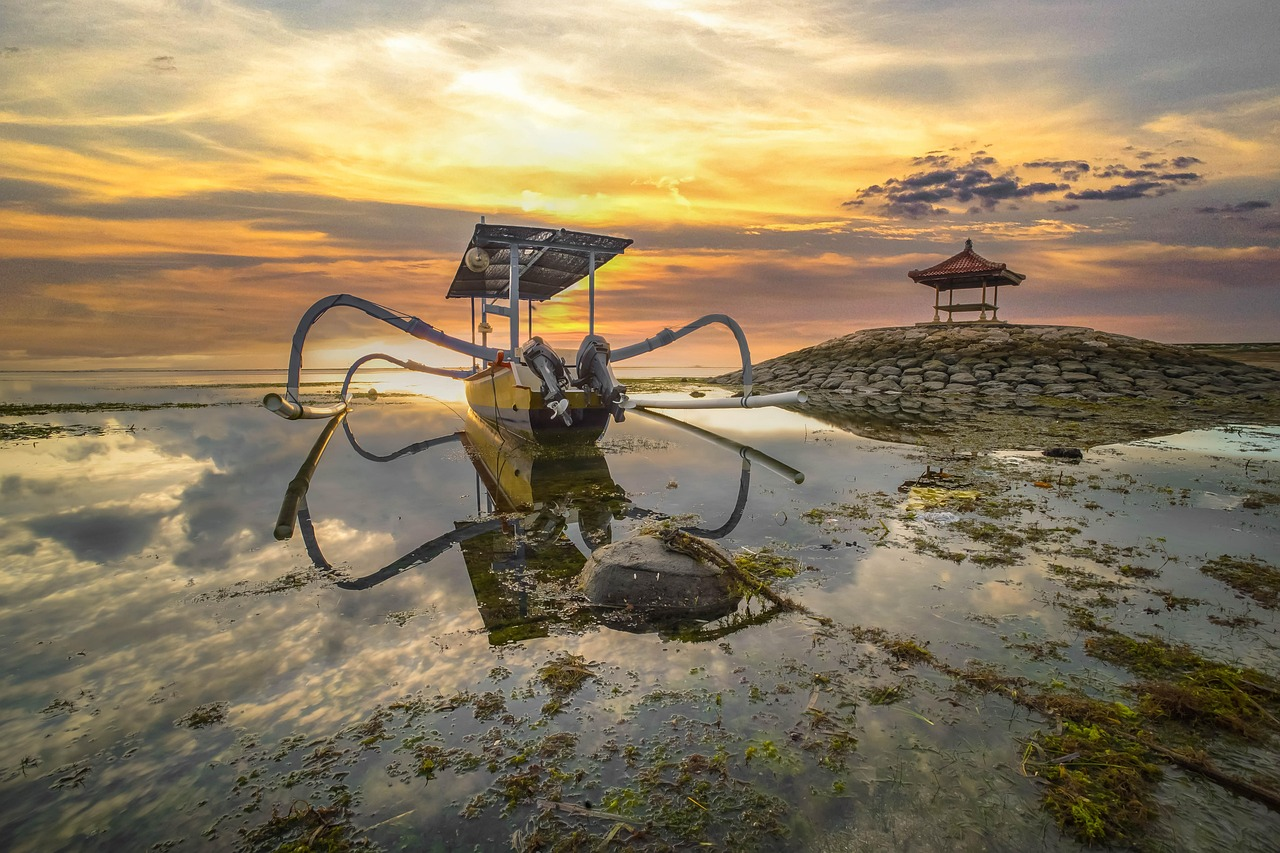
Sanur’s east-facing coast makes it one of the only places in Bali where you can watch the sun rise directly over the ocean, with no mountains or haze to interrupt the horizon. Set an alarm for around 5:30 to 6:00 AM, walk to the shore, and find a spot before the day heats up. The promenade is already alive at this hour with joggers, locals at morning prayers, and traditional jukung fishing boats moored offshore, catching the golden light.
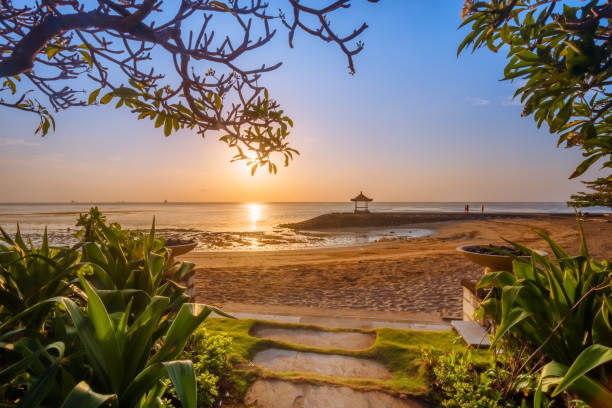
That same paved promenade, stretching more than five kilometers from Jalan Hang Tuah in the north down to Mertasari Beach in the south, is one of the very few places in Bali where renting a bicycle genuinely makes sense. The path is flat, shaded by mature trees, and lined with cafés, art markets, resorts, and small shrines. Cycling it from end to end reveals the changing moods of the neighborhood and is suitable for all ages.
Le Mayeur Museum
For a quiet dose of culture between beach sessions, the Le Mayeur Museum at the northern end of Sanur Beach is one of Bali’s most atmospheric small museums. It occupies the former seaside home and studio of Belgian impressionist Adrien-Jean Le Mayeur de Merprès (1880–1958), who arrived in Bali in 1932 and lived here until his death, painting his celebrated, light-filled scenes of Balinese life, especially of his wife and muse, the renowned Legong dancer Ni Pollok.
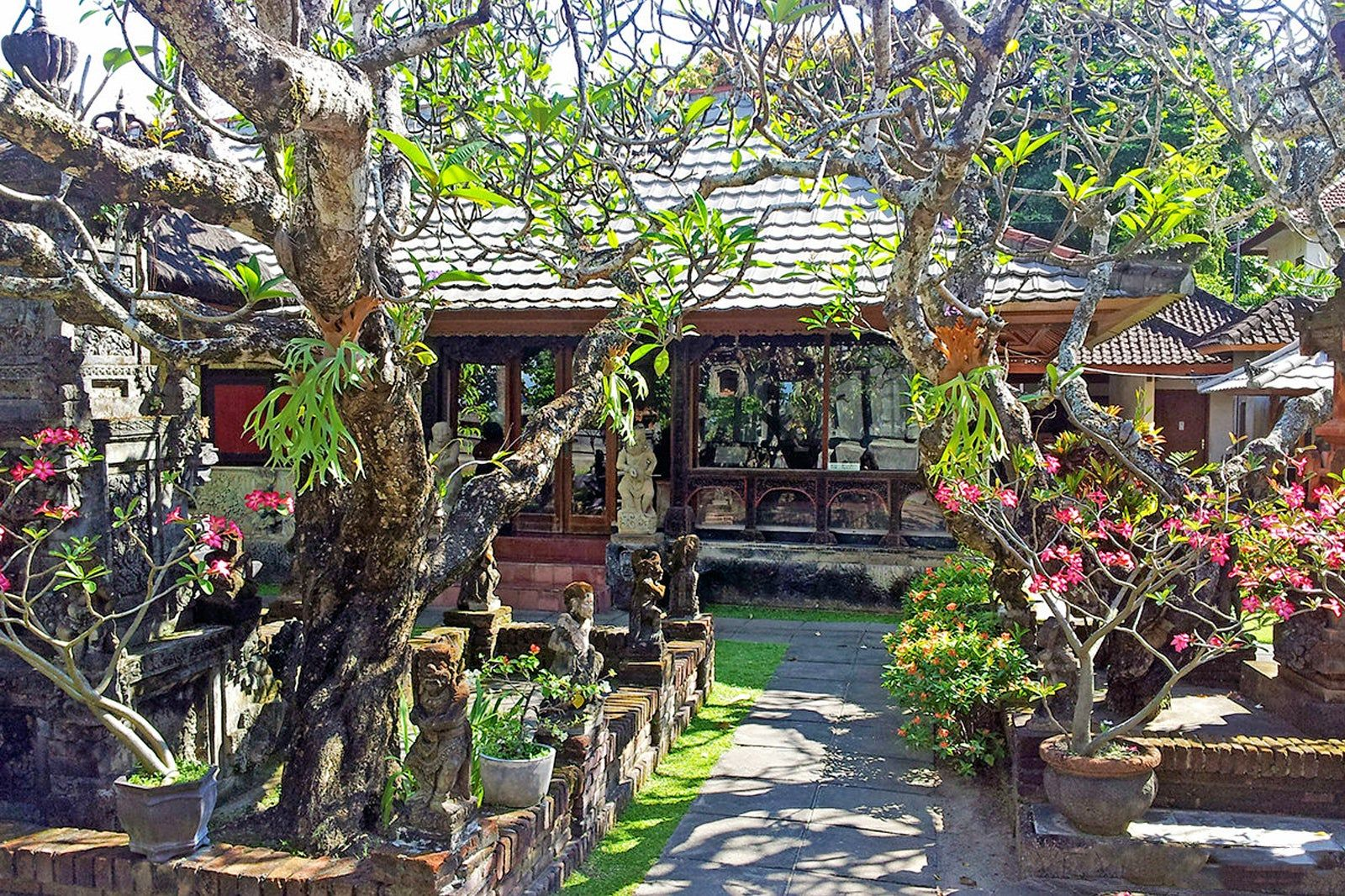
The compound houses around 80 of his works alongside Balinese antiques, all set within a beautifully preserved traditional building with carved wooden doors, shaded courtyards, and a peaceful garden just steps from the sea. It is a short visit, usually under an hour, and the architecture and setting are as memorable as the paintings. Mornings on weekdays are quietest, and the softer light makes the gardens especially lovely.
For further information:
- Le Mayeur Museum — Information Address: Jl. Hang Tuah, Sanur Kaja, Denpasar Selatan, Kota Denpasar, Bali 80227
- Hours: Tuesday–Sunday (closed Mondays); mornings recommended
- Entry: Approximately IDR 100,000 per adult (around USD 6)
- Visitor sentiment: Widely praised on TripAdvisor as a peaceful cultural “hidden gem,” though some note the artworks could use restoration
- Time needed: 45 minutes to 1 hour
The Blanjong Pillar: Bali’s Oldest Dated Artifact
History runs deep in Sanur. Tucked down a short alley off Jalan Danau Poso, beside the small temple of Pura Blanjong, stands the Blanjong Pillar (Prasasti Blanjong), a stone column dated to 913 AD and regarded as the oldest dated man-made object in Bali. Just over 1.5 meters tall, it carries inscriptions in both Sanskrit and Old Balinese. It is an easy, free, and quick stop that rewards anyone curious about the island’s pre-tourism past, and it pairs naturally with a visit to the Le Mayeur Museum.
Island-Hop to Nusa Penida and Nusa Lembongan
One of Sanur’s biggest practical advantages is its harbor, the main departure point for fast boats to the Nusa Islands. From the port near Jalan Hang Tuah, daily services run to Nusa Penida (roughly 45–60 minutes) and Nusa Lembongan (about 30–40 minutes).
Nusa Penida is the dramatic one, famous for the T-Rex-shaped cliff of Kelingking Beach, Crystal Bay, and manta ray snorkeling at Manta Point. It makes a spectacular full-day adventure. Nusa Lembongan is gentler and more relaxed, with mangroves, surf breaks, seaweed farms, and laid-back beach clubs, ideal for a half-day or unhurried full day. August’s calm seas and clear water make the crossing smooth and the snorkeling at its best. Because Sanur’s bay is protected by reefs, the boat ride is rarely rough.
Kitesurfing and Water Sports
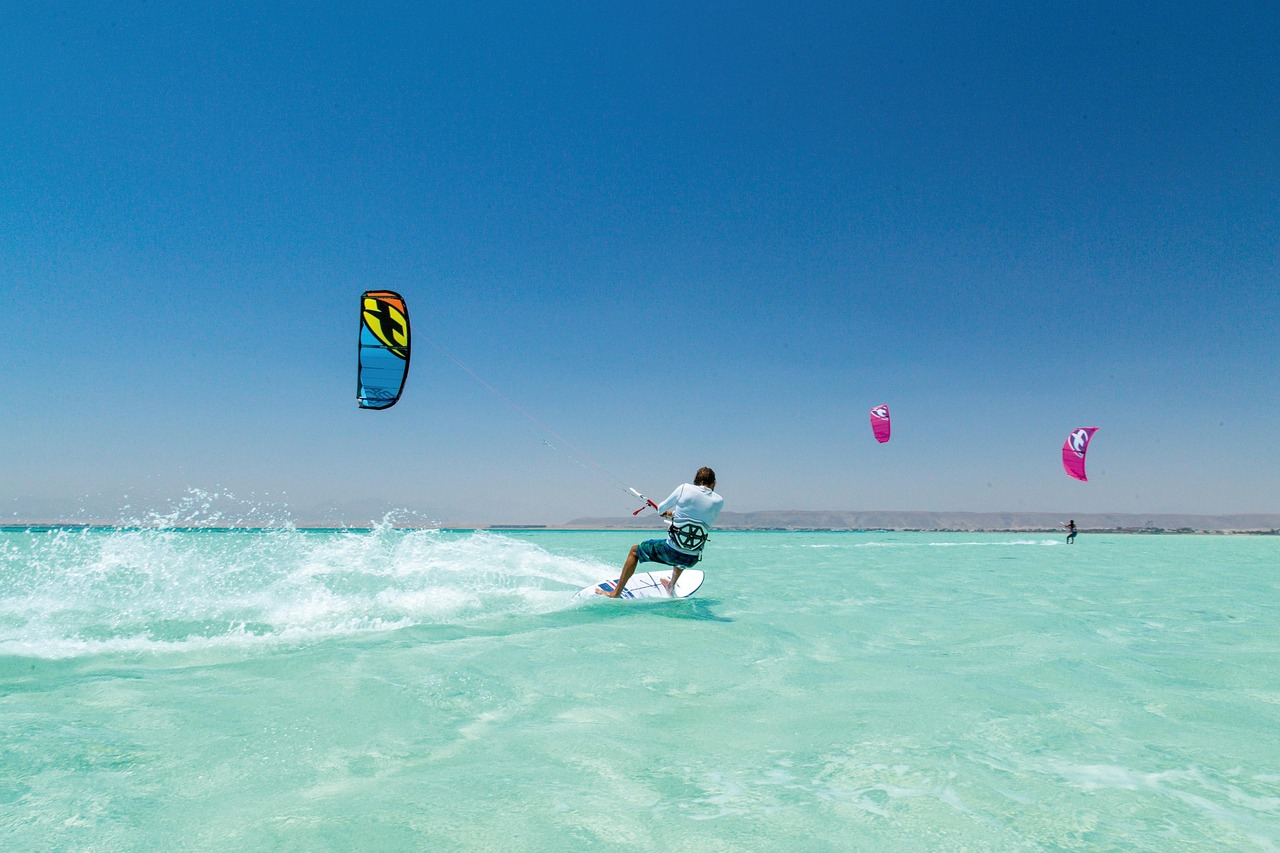
Sanur’s geography makes it Bali’s kitesurfing capital. The offshore reef shelters the lagoon from flat water, while the position captures consistent trade winds, conditions that peak in August. Beginners and experienced riders alike find it one of the safest, most enjoyable places in Bali to fly. Beyond kitesurfing, operators along the beach offer stand-up paddleboarding, kayaking, glass-bottom boat tours, and traditional outrigger canoe rides, most of which cost between IDR 50,000 and 200,000, depending on the activity. The water is calmest and clearest before 10:00 AM.
Eat Like a Local at Sindhu Night Market
As the sun sets, Sanur’s food scene shifts into a more local register. Sindhu Night Market (Pasar Sindhu), open roughly from 6:00 to 10:00 PM, is the best place to sample authentic, affordable Balinese street food, from sate lilit to fresh seafood and sweet jaja snacks, in a friendly, bustling atmosphere far removed from tourist restaurants. It is one of the most genuine and cheapest dining experiences in town.
Things to Do Summary
| Activity | Best time | Approx. cost | Good for |
|---|---|---|---|
| Sunrise + promenade cycle | 5:30–9:00 AM | Bike rental ~IDR 30,000–50,000/day | Couples, families, photographers |
| Le Mayeur Museum | Weekday morning | ~IDR 100,000 | Art and history lovers |
| Blanjong Pillar | Morning | Free / small donation | History buffs |
| Nusa Penida / Lembongan day trip | Full day, early start | Fast boat from ~IDR 150,000+ each way | Adventurers, snorkellers |
| Kitesurfing & water sports | Before 10:00 AM | ~IDR 50,000–200,000+ | Active travellers |
| Sindhu Night Market | 6:00–10:00 PM | Meals from ~IDR 20,000 | Budget foodies |
Sanur weather in August is about as reliable as it gets on this coast, which is exactly why the month supports such a wide range of activities.
Where to Eat in Sanur in August
Sanur’s dining scene runs the full spectrum, from beachfront fine dining attached to the resorts to humble, decades-old warungs serving some of the best Balinese food on the island. With the dry, balmy August evenings, open-air dining is at its most pleasant.
Warung Mak Beng
No Sanur food guide is complete without Warung Mak Beng, a genuine institution that has been serving since 1941, back when Sanur was still a fishing village. The menu could not be simpler: one set meal of crispy fried fish, a rich and aromatic yellow-spiced fish-head soup, steamed rice, and the warung’s signature sambal. That single dish has kept crowds queuing for more than eight decades.
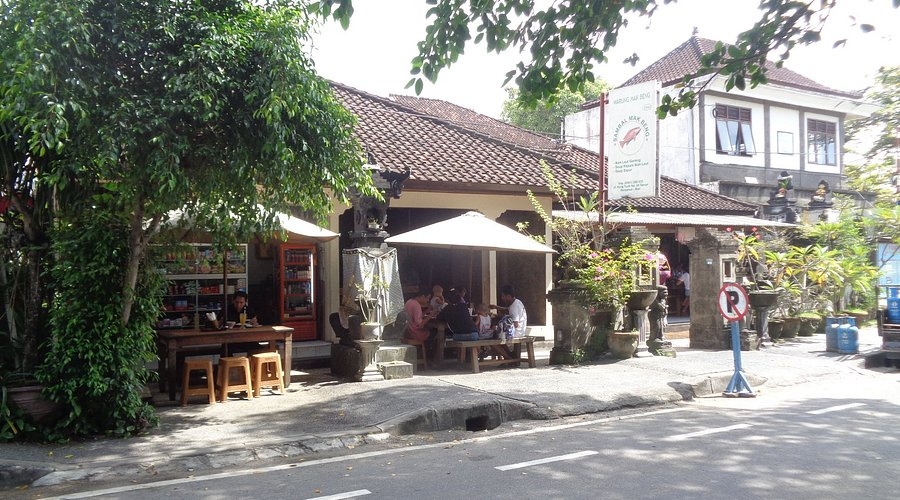
The setting is unpretentious, with wooden tables, fans, and fast-moving staff, and the location could not be more convenient, right on Jalan Hang Tuah near the fast-boat harbor. It is the perfect stop after a sunrise walk or before a day trip to Nusa Penida. Arrive around 10:00 AM to beat the lunchtime rush, when waits can stretch to 30 minutes or more.
For further information:
- Warung Mak Beng — Information Address: Jl. Hang Tuah No. 45, Sanur Kaja, Denpasar Selatan, Bali 80227
- Hours: Approximately 08:00–21:00 daily (busiest 13:00–15:00)
- Price: Around IDR 55,000–100,000 per person (set meal; drinks extra)
- Reviews: Rated 4.3/5 on TripAdvisor from over 880 reviews; ranked among Sanur’s top restaurants
- Signature dish: Fried fish, fish-head soup, rice, and sambal set
Beyond Mak Beng, Sanur rewards exploration. The Danau Tamblingan strip is dotted with modern-international cafés, healthy-eating spots, and warm beachfront bars, while the area’s many garden warungs serve authentic Balinese cooking at a fraction of resort prices. For refined Indonesian and international dining in a polished setting, the restaurants within Sanur’s beachfront resorts, including those at The Meru Sanur, are covered in the section below.
What to Pack for Sanur in August
August is dry, sunny, hot, and breezy, so packing is straightforward, but a few items make the trip more comfortable:
- Lightweight clothing: T-shirts, shorts, and breathable summer dresses for hot days.
- Swimwear: Bring two sets if you plan to be active in the water; the calm lagoon and island trips reward it.
- A light evening layer: Nights are mild but breezy, and any inland day trips to Ubud or the highlands will feel cooler.
- Strong sun protection: High-SPF sunscreen, sunglasses, and a hat, as beach shade is limited, especially at the kite festival.
- Reef-friendly footwear: Useful for the rockier seabed close to shore at low tide.
- A reusable water bottle: Easy to refill and kinder to Bali’s environment.
- A modest cover-up: Handy for temple visits and cultural sites like Pura Blanjong.
Straightforward packing, with a few comfort additions
Because August’s weather is so consistently dry, sunny, hot, and breezy, the packing list is more about comfort additions than contingency planning — there’s little need to hedge against rain the way other months require.
That predictability is itself a small planning advantage: what you pack for August is close to what you’ll actually need, with few surprises.
Where to Stay in Sanur This August 2026: The Meru Sanur
With August’s peak-season demand pushing the best rooms to sell out early, choosing the right base matters more than usual, and few addresses in Sanur match The Meru Sanur. This all-suite beachfront resort by Meru Hotels sits directly on the white-sand Sanur shoreline, within the 42-hectare Sanur Special Economic Zone dedicated to health and wellness tourism. It is a setting purpose-built for the kind of restorative escape that August’s clear, warm days were made for.
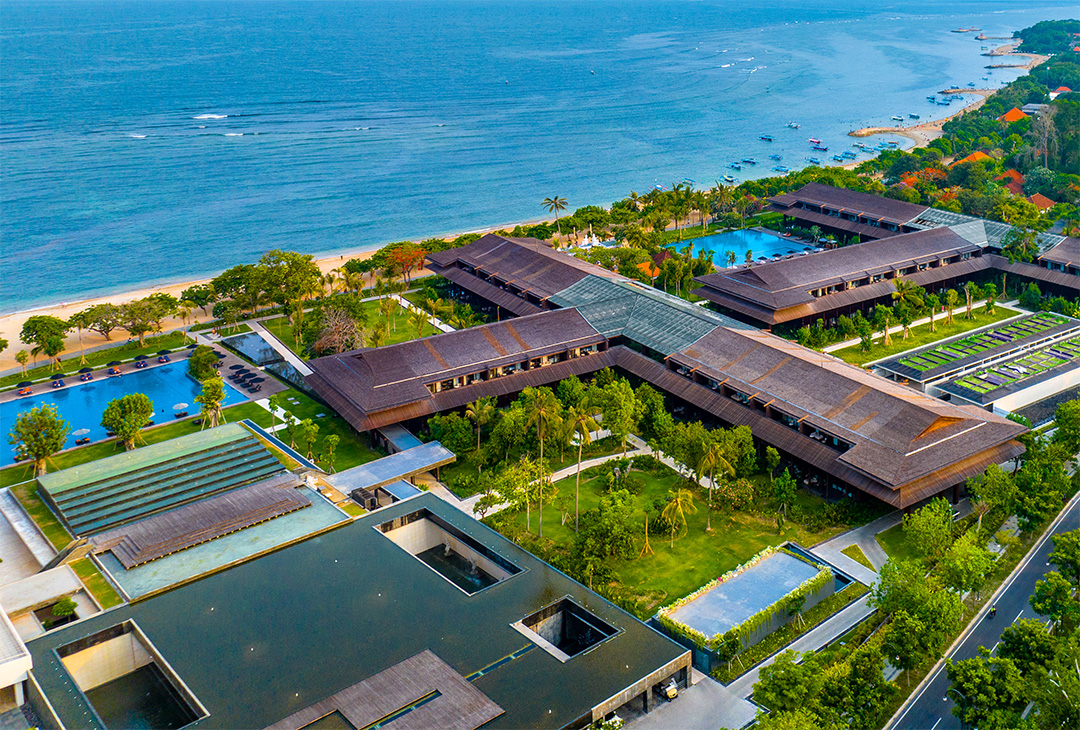
The Meru Sanur frames itself as “a haven of wellbeing,” and the design follows through, blending tropical luxury, warm wooden interiors, and contemporary Balinese sophistication. Every one of its accommodations is a suite, ranging from the generous 83 m² Tropical Suite up to the 209 m² Presidential Suite, each with a private balcony or terrace overlooking either the tropical gardens or the sea. For an August trip built around early-morning beach walks and golden sunrises over the ocean, waking up steps from the sand is a tangible advantage.
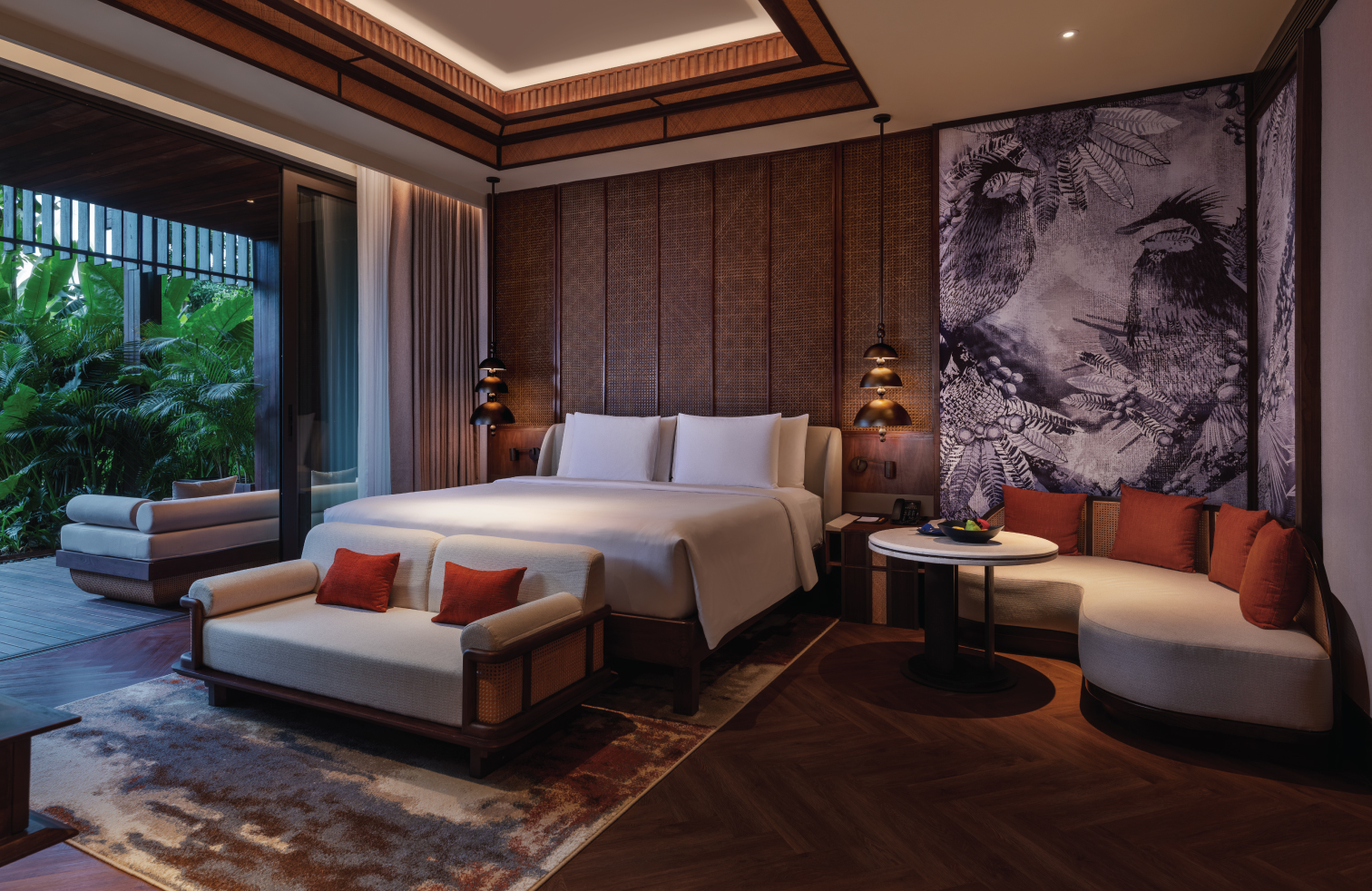
The resort’s wellness focus is its signature. A five-senses philosophy, engaging sound, sight, scent, taste, and touch, runs through its Taru Pramana Spa & Wellness offering and its range of spiritual and active wellness programmes.
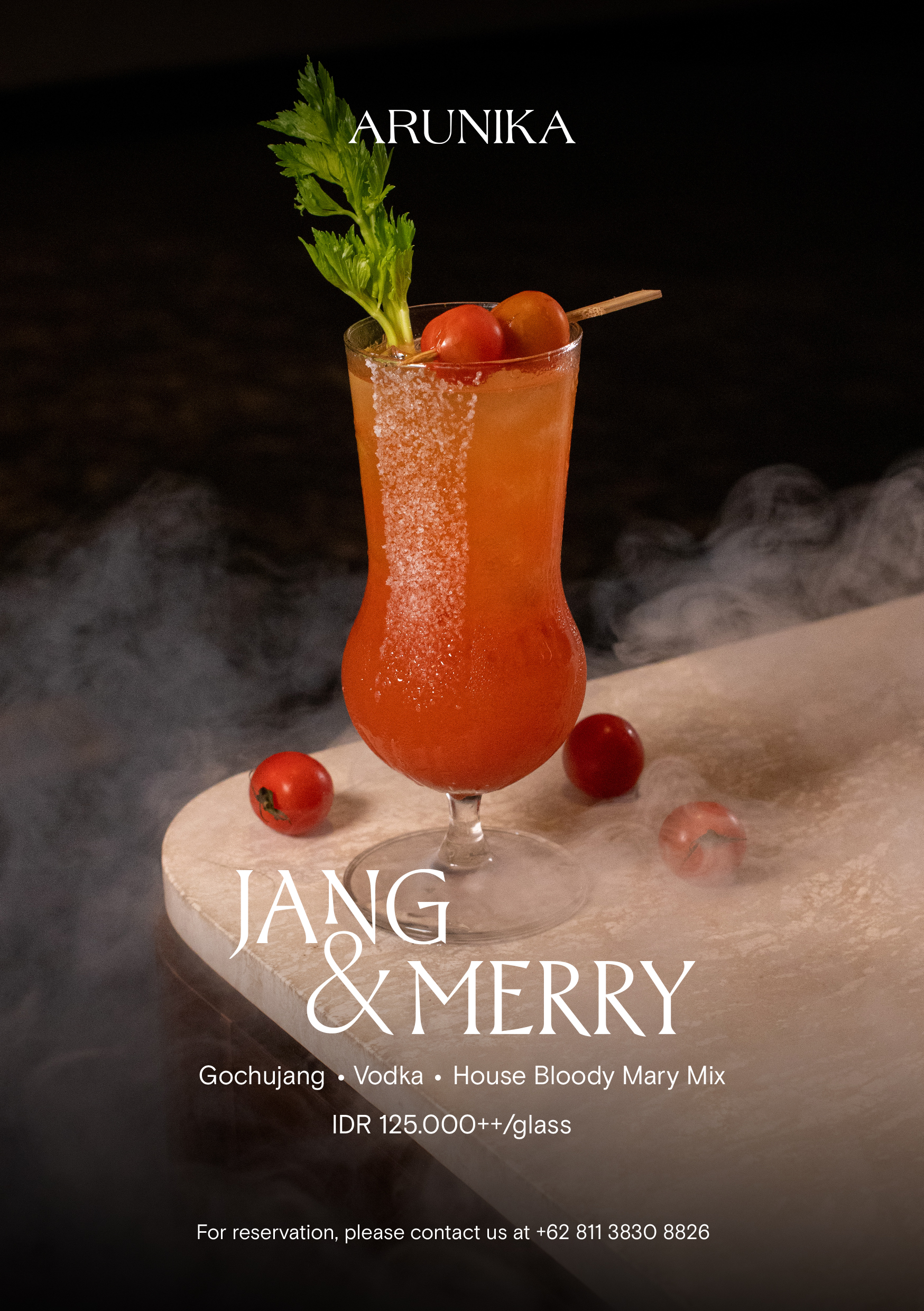
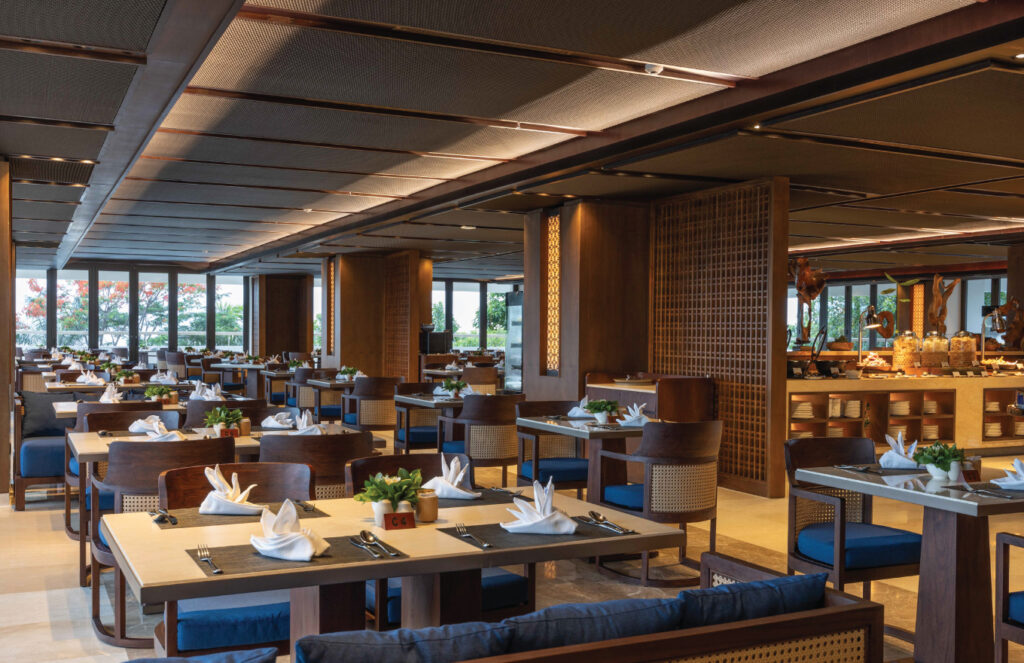
Dining is equally considered, with Arunika serving all-day international and local cuisine around a garden pool, Roso celebrating Indonesian flavours from Sabang to Merauke, the library-inspired Sutasoma Lounge for cocktails, and the beachfront Bali Beach Bar & Grill for fresh seafood at sunset. The resort is also a member of Preferred Hotels & Resorts, placing it among a curated collection of world-class independent properties.
Crucially for August travelers, the location doubles as a launchpad. The fast-boat harbor, the kite-festival beaches at Padang Galak and Mertasari, the Le Mayeur Museum, and the promenade are all close at hand, and the concierge can arrange private drivers for day trips to Nusa Penida or Ubud. It is the kind of base that lets you dive into the buzz of peak-season Bali and then retreat to genuine calm.
If you are planning an August stay, booking early is strongly recommended given peak-season occupancy, and The Meru Sanur’s all-inclusive packages can simplify budgeting during the island’s priciest month.
Read more: Festivals in Sanur, Bali: The Complete 2026 Guide to the Sunrise Coast’s Celebrations
Frequently Asked Questions
Is August a good time to visit Sanur, Bali?
Yes. August sits in the heart of the dry season and offers some of the year’s best weather, with daytime highs around 29°C, roughly 10 hours of sunshine a day, low humidity, and only about one rainy day for the whole month. The main trade-offs are peak-season crowds and the highest accommodation prices of the year, both of which Sanur handles more gracefully than Bali’s southern beach hubs.
Does it rain in Sanur in August?
Very rarely. August is the driest month of the year in Sanur, with only around 42–44 mm of rainfall and roughly a 7 percent chance of rain on any given day. You can plan outdoor activities with a high degree of confidence.
How hot does Sanur get in August? Daytime temperatures usually peak around 29°C (84°F) and fall to a comfortable 23–24°C (74°F) at night. Lower humidity makes the heat feel milder than during the wet season, and a steady sea breeze adds to the comfort.
What festivals happen in Sanur in August 2026?
The headline event is the Bali (Denpasar) Kite Festival at Padang Galak and Mertasari beaches, which peaks during the windy July-to-August season. Indonesian Independence Day on 17 August brings flag ceremonies and traditional games. The Sanur Village Festival (Sanfest) is another local highlight, though its dates vary year to year and should be confirmed against the official Bali events calendar.
Is Sanur very crowded in August?
August is among Bali’s busiest months, with islandwide foreign arrivals exceeding 680,000 in August 2025. That said, Sanur stays noticeably calmer and more family-friendly than Seminyak, Kuta, or Canggu. Visiting popular spots early in the morning helps you avoid the densest crowds.
Can you swim at Sanur Beach in August?
Yes. An offshore reef shelters Sanur’s lagoon, keeping the water calm and shallow in many areas, making it safe and pleasant for swimming, especially during high tides. The sea temperature in August is a comfortable 26°C (79°F). Conditions are best in the calm early-morning hours.
Is Sanur a good base for day trips in August?
Excellent. Sanur’s harbor is the main departure point for fast boats to Nusa Penida (about 45–60 minutes) and Nusa Lembongan (about 30–40 minutes), and August’s calm seas make the crossings smooth. Ubud and central Bali are also within easy reach by private driver.
How far in advance should I book accommodation for August?
Because August is peak season, the best-value and best-located properties in Sanur sell out weeks ahead, and rates reach their annual high. Booking two to three months in advance is strongly recommended to secure both choice and price.
Read more: Sanur Bali in September: The Complete 2026 Guide to Weather, Crowds, and Things to Do
Final Thoughts
Sanur in August is Bali at its most rewarding: reliably sunny, refreshingly breezy, and rich with cultural celebration, all wrapped in a slower, more soulful atmosphere than the island’s busier corners. Watch the sun rise over the ocean, cycle the promenade, lose an afternoon to giant kites over Padang Galak, hop a fast boat to the Nusa Islands, and end each day with fresh seafood by the sea. Plan ahead for the crowds, book early, start your days at dawn, and base yourself somewhere that turns peak-season Bali into pure restoration, and August in Sanur becomes a trip you will want to repeat.
*Prices are for reference only and may change without notice. Please contact us directly for current rates.