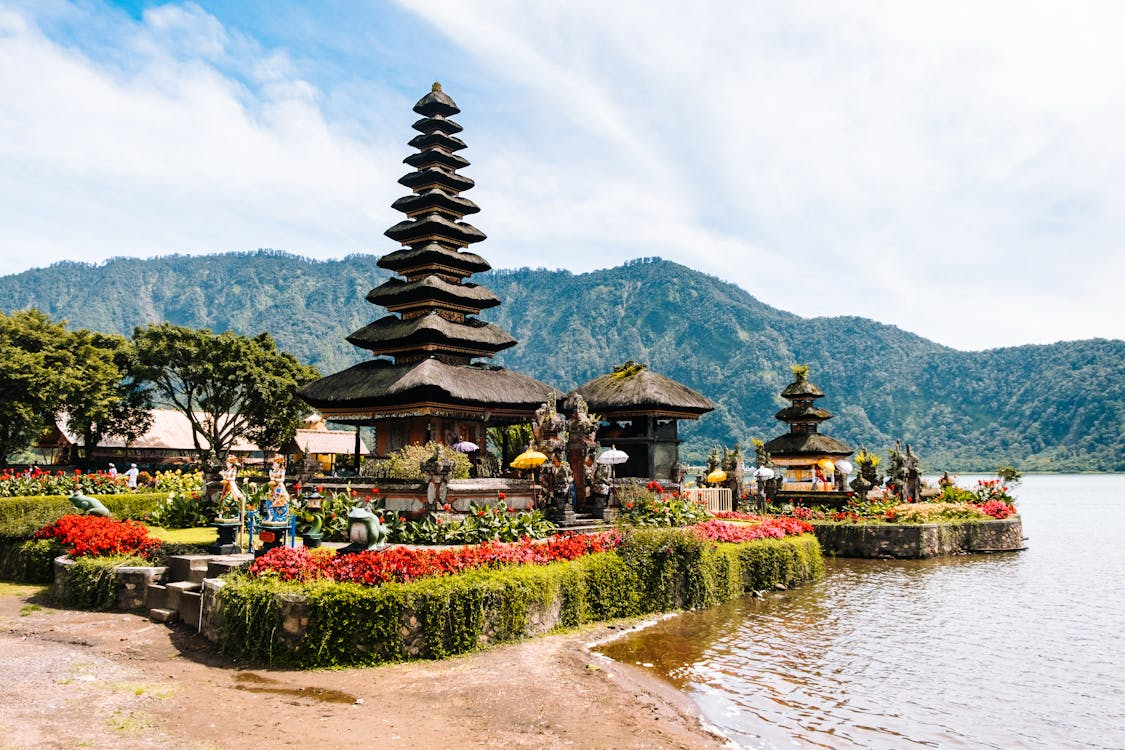
Bali’s spiritual heritage is best experienced away from the standard tourist crowds. Along the island’s eastern coast and within its historic capital, you will find sacred sites that offer a rare, unhurried glimpse into ancient Balinese Hinduism. From peaceful coastal shrines to majestic royal complexes, exploring the best temples in Sanur and Denpasar, Bali, reveals the living, breathing traditions that shape local life. This guide highlights seven must-visit spiritual landmarks to include on your itinerary.
A Temple Tour of Bali’s East Coast
- Significance: The eastern coastline of Bali and the adjacent city of Denpasar hold a unique position in the island’s religious and historical landscape.
- Where to Stay: After a dedicated day exploring the best temples in Sanur and Denpasar, returning to a restorative environment matters.
- Must-See: Blanjong Temple (Pura Blanjong) is among the most historically significant sites on the east coast.
- Dating: Blanjong Temple traces back to 913 AD, among the oldest dated sites on the island.
- Base: Sanur works as a temple-touring base in its own right, not just an overflow option from Ubud.
Exploring the Sacred Spiritual Heritage of the East Coast
The eastern coastline of Bali and the adjacent capital city of Denpasar hold a unique position in the island’s religious history. In Balinese Hindu philosophy, the east is considered a sacred direction, representing light, new beginnings, and the home of the sun god Surya. The temples in this region are not mere historical monuments; they are active sanctuaries of worship, where communities have gathered for centuries to maintain the delicate balance of Sekala (the seen) and Niskala (the unseen).
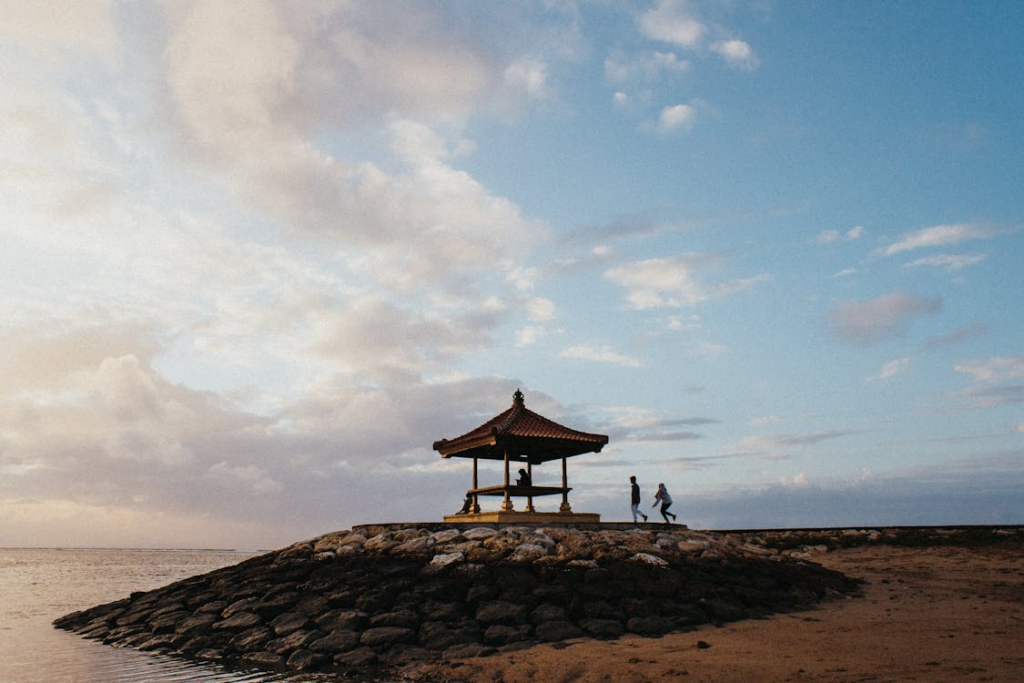
Unlike the highly commercialized temple complexes of the south, the spiritual sites in Sanur and Denpasar retain a sense of quiet authenticity. These temples are characterized by their unique architectural styles, ranging from 10th-century volcanic stone carvings to grand state shrines built from pure white coral. By dedicating your journey to exploring these landmarks, you participate in a continuous lineage of faith and gratitude, turning your travel into an intentional path of learning and personal reflection.
The east coast’s religious significance is distinct from Ubud’s
The eastern coastline and Denpasar hold their own distinct religious and historical significance, separate from the spiritual reputation Ubud usually claims — a distinction worth knowing for travelers assuming Ubud is the only serious temple-touring base.
Basing a temple tour out of Sanur, rather than only Ubud, opens up sites that a highlands-only itinerary would miss entirely.
Top 7 Temples for Cultural Discovery
For the mindful traveler, navigating these sacred spaces is a journey of deep educational and spiritual value. Below are the most significant historical and cultural sanctuaries that deserve a prominent place on your itinerary.
1. Blanjong Temple (Pura Blanjong) – Sanur
Among the most historically significant sites on the east coast is Blanjong Temple, located in the southern part of Sanur on Jalan Danau Poso. This temple is highly revered as one of the best in Sanur and Denpasar, Bali, for housing the island’s oldest man-made artifact.
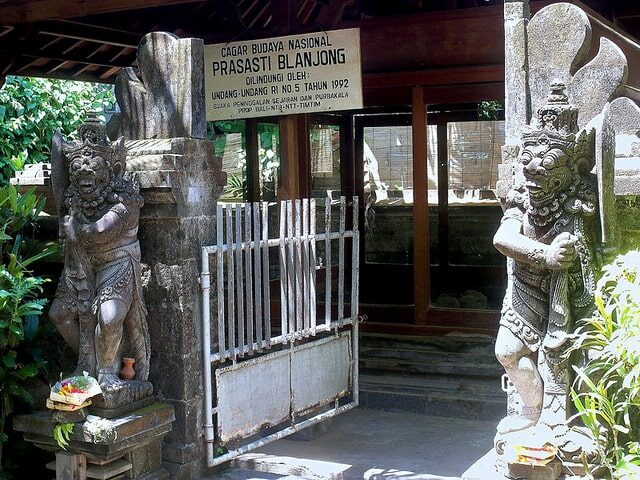
The centrepiece of the site is the Blanjong Pillar, a cylindrical stone column dating back to 913 AD. This ancient relic is protected within a glass enclosure, yet its historical weight is palpable.
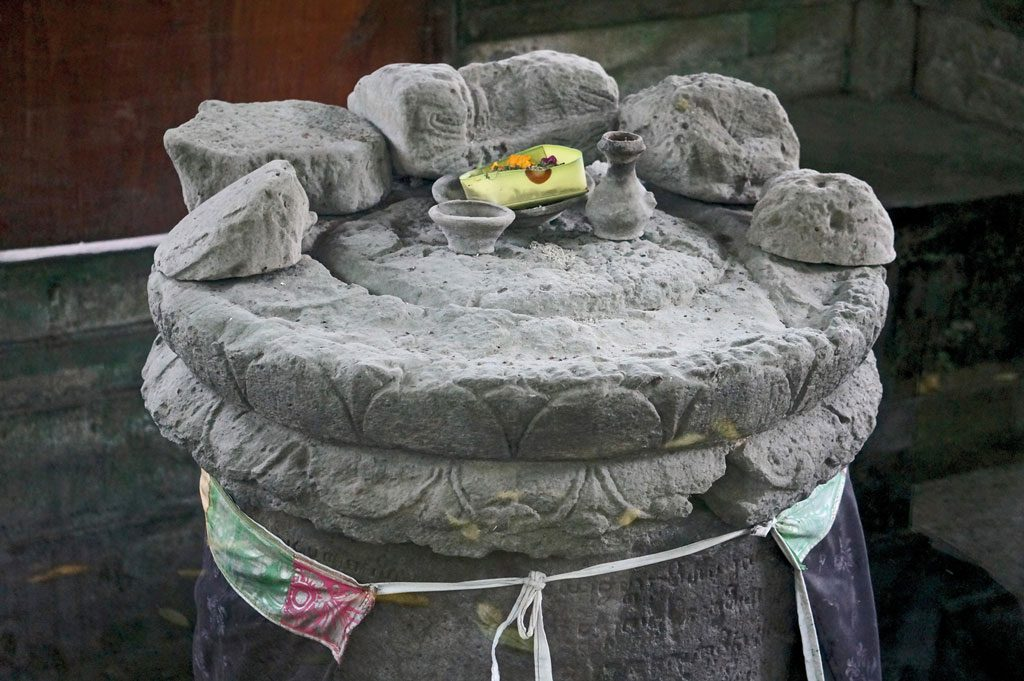
The inscriptions on the pillar are written in Sanskrit and Old Balinese, utilising two different scripts: Nagara and Kawi. The text details the victories and spiritual achievements of King Sri Kesari Warmadewa, the founder of Bali’s prominent Warmadewa Dynasty.
For travellers seeking cultural depth, seeing the earliest written mention of the word “Bali” on this pillar is a profound experience. The temple itself features a modest but deeply atmospheric layout, shaded by towering trees that have stood for centuries, making it an essential first stop on your spiritual tour.
Detailed Information:
- Address: Jalan Danau Poso, Belanjong, Sanur, Bali, Indonesia
- Opening Hours: 8.00 AM to 6.00 PM daily
- Entrance Fee: Complimentary (Donations are highly appreciated for temple maintenance)
- Best For: History enthusiasts, researchers, and cultural purists
The most historically significant stop on this coast
Among the east coast’s temple sites, Blanjong Temple stands out specifically for its historical significance, making it the one to prioritize if a visitor can only fit in a single temple stop during a Sanur stay.
Pairing it with the nearby Blanjong Pillar, rather than treating them as separate outings, makes for a more efficient and more coherent half-day of history.
2. Jagatnatha Temple (Pura Agung Jagatnatha) – Denpasar
In the exact heart of the capital city, Pura Agung Jagatnatha stands as a grand monument to the supreme god of Indonesian Hinduism, Sang Hyang Widi Wasa. Built in 1953, this state temple differs from typical regional temples, which are usually dedicated to local ancestral spirits or specific localised deities. The architecture is a breathtaking showcase of local stone craftsmanship, primarily composed of white coral and volcanic black stone.
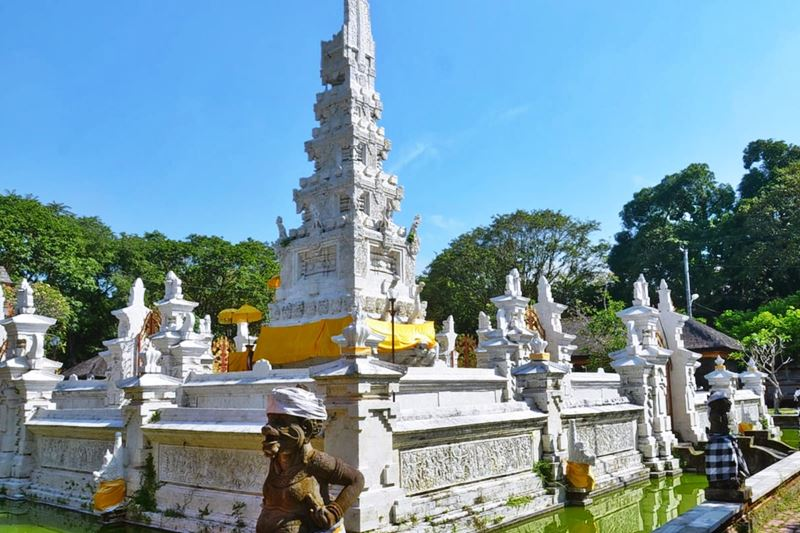
The central feature of the temple is the Padmasana, a towering, throne-like shrine that reaches high into the sky. The base of this sacred structure rests upon the carved back of a mythological cosmic turtle, Bedawang Nala, and two massive dragons, Naga, representing the foundation of the world in Balinese cosmology.
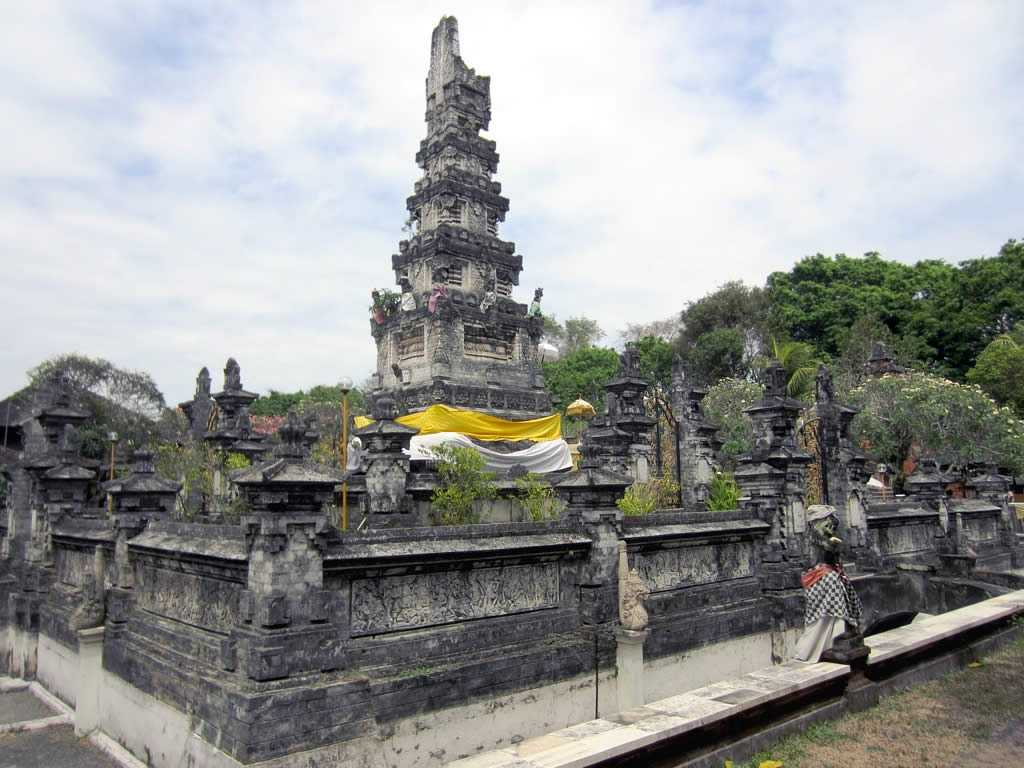
The temple is surrounded by a peaceful moat filled with blooming lotus flowers, providing a serene environment that contrasts beautifully with the bustling city streets outside. Visiting during the full moon or new moon ceremonies, when thousands of residents gather in traditional white attire, is an unforgettable experience.
Detailed Information:
- Address: Jalan Mayor Metra, Denpasar, Bali, Indonesia (Next to the Bali Museum)
- Opening Hours: 8.00 AM to 6.00 PM daily (Active worship occurs 24 hours)
- Entrance Fee: Complimentary (Sash and sarong rentals are available at the entrance)
- Best For: Photographers, spiritual seekers, and architectural admirers
3. Pura Dalem Pengembak – Sanur
Tucked away in the southern reaches of Sanur, near the lush mangrove forests, Pura Dalem Pengembak is renowned as one of the best temples in Sanur and Denpasar, Bali, for its dedication to the sacred art of Melukat (water purification).
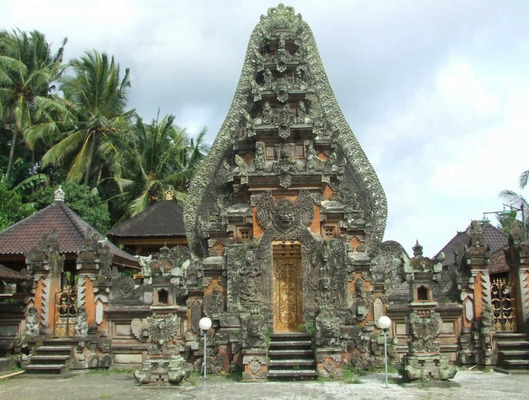
This temple is dedicated to the goddess Durga, representing the fierce and protective aspect of the divine. Unlike major historic monuments, this is a highly active spiritual centre where locals go to release emotional blockages, wash away negative energy, and seek mental clarity.
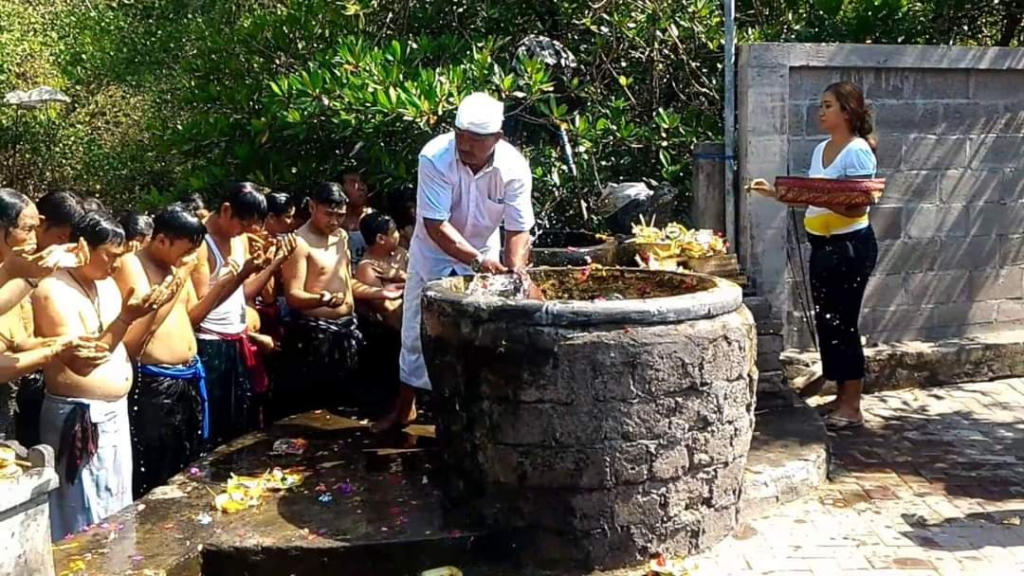
The temple features a series of sacred water spouts fed by a natural spring. The purification process is deeply ritualistic, requiring visitors to wear traditional sarongs and sashes and present small floral offerings before stepping into the water pools.
The quiet, shaded environment, surrounded by mature tropical trees and the sound of flowing water, creates a highly meditative space. It is a profound, physically engaging ritual that offers immediate energetic renewal, making it a favourite for those seeking wellness and introspection.
Detailed Information:
- Address: Jalan Pengembak, South Sanur, Denpasar, Bali, Indonesia
- Opening Hours: 8.00 AM to 6.00 PM daily
- Entrance Fee: Small donation required for purification ceremonies (approx. $3 USD)
- Best For: Water purification rituals, spiritual cleansing, and peaceful meditation
4. Maospahit Temple (Pura Maospahit) – Denpasar
For an immersion into the ancient artistic heritage of East Java, Pura Maospahit in Denpasar is an architectural masterpiece. Dating back to the 14th century, this temple was built during the peak of the Majapahit Empire’s influence on Bali.
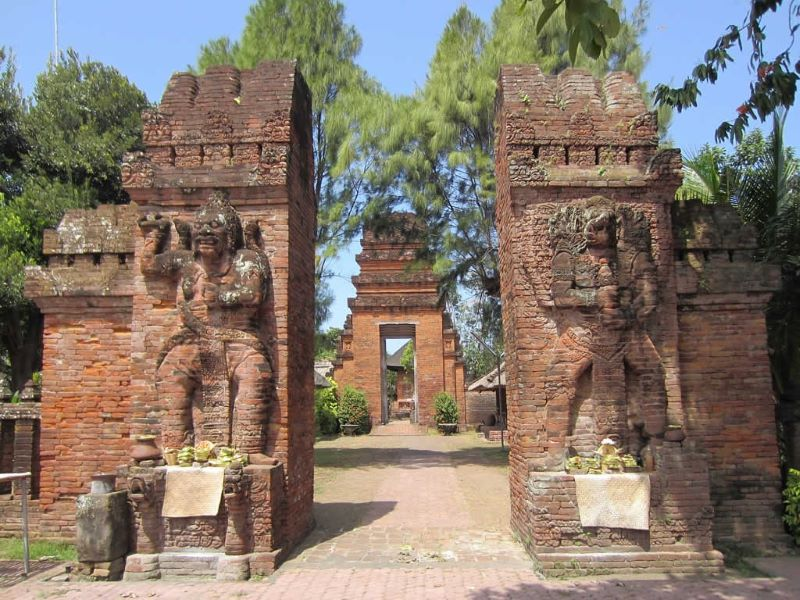
Unlike the towering volcanic stone shrines of modern Balinese temples, Maospahit is constructed almost entirely from red clay brick, featuring flat, geometric gates and detailed relief carvings that reflect the architectural style of ancient Java.
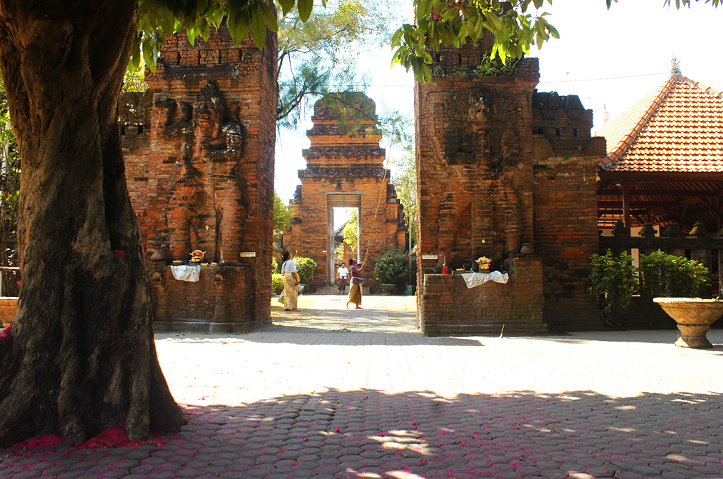
The temple grounds are divided into several quiet courtyards, housing ancient clay statues of mythological guardians and empty shrines designed for ancestral meditation. The simplicity and the historic weight of the red brick walls create a deeply quiet and sacred atmosphere. It is one of the few places on the island where you can witness the raw, unaltered root of pre-modern Balinese-Javanese religious architecture, offering an invaluable educational experience for those who appreciate the deep lineage of Indonesian art.
Detailed Information:
- Address: Jalan Sutomo, Denpasar, Bali, Indonesia
- Opening Hours: 8.00 AM to 5.00 PM daily
- Entrance Fee: Complimentary (Sarong and sash are mandatory)
- Best For: Architecture enthusiasts, historians, and art lovers
5. Sakenan Temple (Pura Sakenan) – Serangan Island
Situated on Serangan Island, just a short drive from the southern end of Sanur, Pura Sakenan is one of Bali’s most important coastal public temples. Founded in the 10th century by the high priest Mpu Kuturan, the temple has served as a spiritual protector of the southern seas for over a thousand years. It is widely included among the best temples in Sanur and Denpasar, Bali, due to its role in the island’s annual pilgrimage cycle.
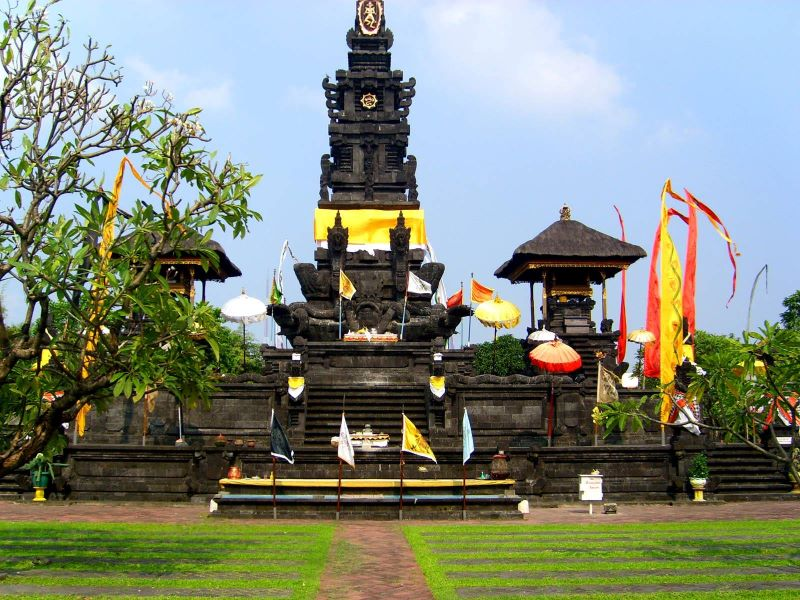
The temple is constructed using local coral limestone, reflecting its beachfront location. Historically, pilgrims from the mainland would wade across the shallow waters to reach the island during the high holy days.
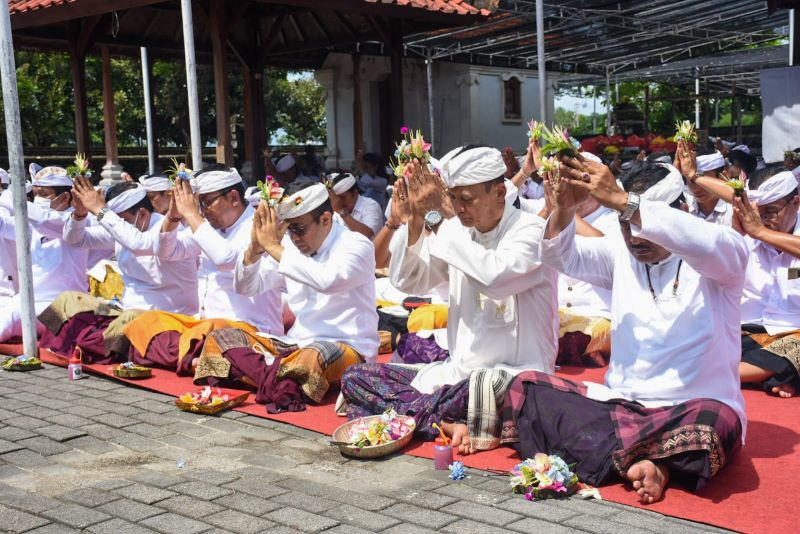
Today, a modern bridge connects Serangan, but the temple retains its island-sanctuary feel. The annual Kuningan festival here is a vibrant spectacle of traditional dance, music, and prayer, offering a rare opportunity to witness Balinese community life at its most devout and joyful.
Detailed Information:
- Address: Serangan Island, South Denpasar, Bali, Indonesia
- Opening Hours: 8.00 AM to 6.00 PM daily
- Entrance Fee: Complimentary (Donations are welcome)
- Best For: Coastal views, historical pilgrimages, and cultural festivals
6. Petilan Temple (Pura Petilan Pengerebongan) – Denpasar
Pura Petilan Pengerebongan, located in the Kesiman district of Denpasar, is globally famous for hosting one of Bali’s most dramatic and mysterious spiritual rituals: the Ngerebong festival. Held every 210 days according to the traditional Pawukon calendar, this festival features a sacred trance ritual in which local devotees, possessed by ancestral spirits, perform the Kecak and dance with sharp kris daggers pressed against their chests without sustaining injury.
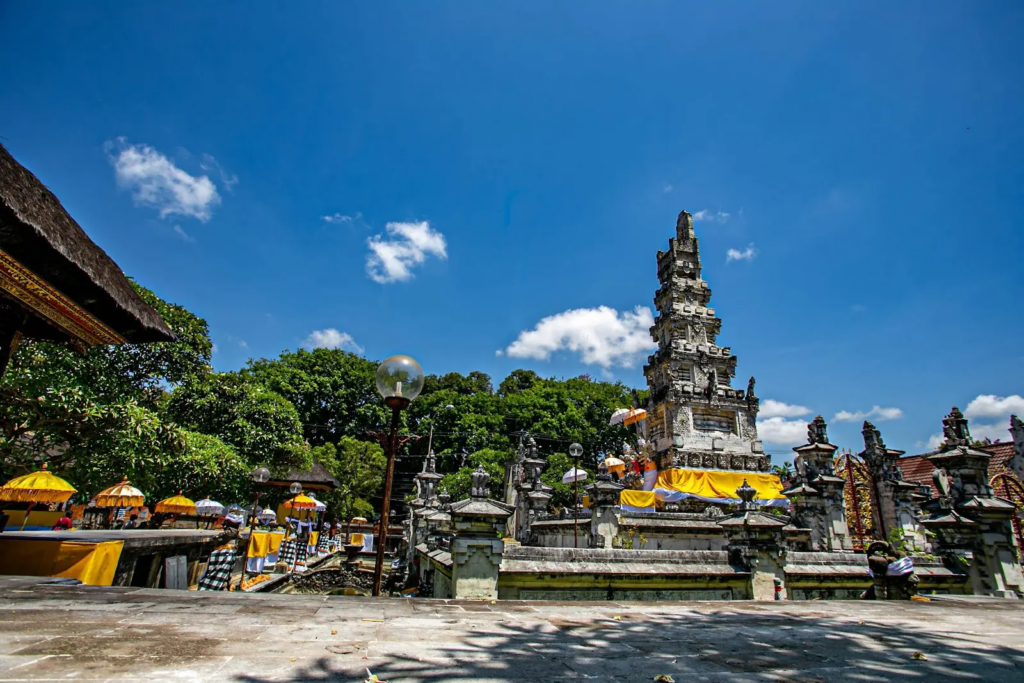
The temple itself is a spacious and historic complex featuring grand open-air pavilions (bale) designed to accommodate these massive community gatherings. When the festival is not occurring, the temple is a peaceful, quiet space that provides an educational look at how Balinese communities maintain their ancestral connections through dramatic ritual. It is a highly significant cultural landmark, representing the raw, mystical, and uncompromised side of Balinese spiritual life.
Detailed Information:
- Address: Jalan Raya Kesiman, Denpasar, Bali, Indonesia
- Opening Hours: 8.00 AM to 5.00 PM daily
- Entrance Fee: Complimentary (Special festival entry may require local permission)
- Best For: Intrepid travellers, cultural researchers, and ritual photographers
7. Pura Segara – Sanur
Located directly on the beachfront near the northern end of Sanur, Pura Segara is dedicated to Varuna, the Hindu god of the ocean. This temple is unique because it is constructed almost entirely from white coral stone sourced from the local reef, giving the gates and walls a beautiful, textured, and distinctly marine appearance. It has served as a silent guardian over Sanur’s waters for generations.
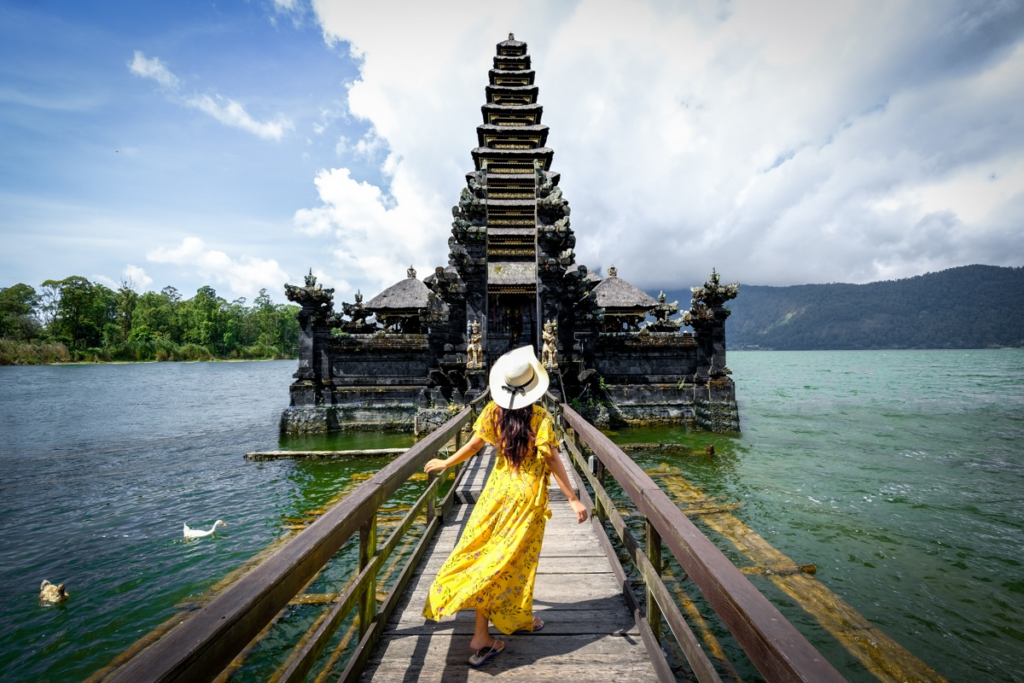
The temple is the central hub for beachfront purification rituals and the Melasti cleansing ceremonies held before Nyepi (the Day of Silence). Watching the local priests bless the ocean with flower offerings and incense while the morning sun rises over the horizon is a deeply peaceful and authentic experience.
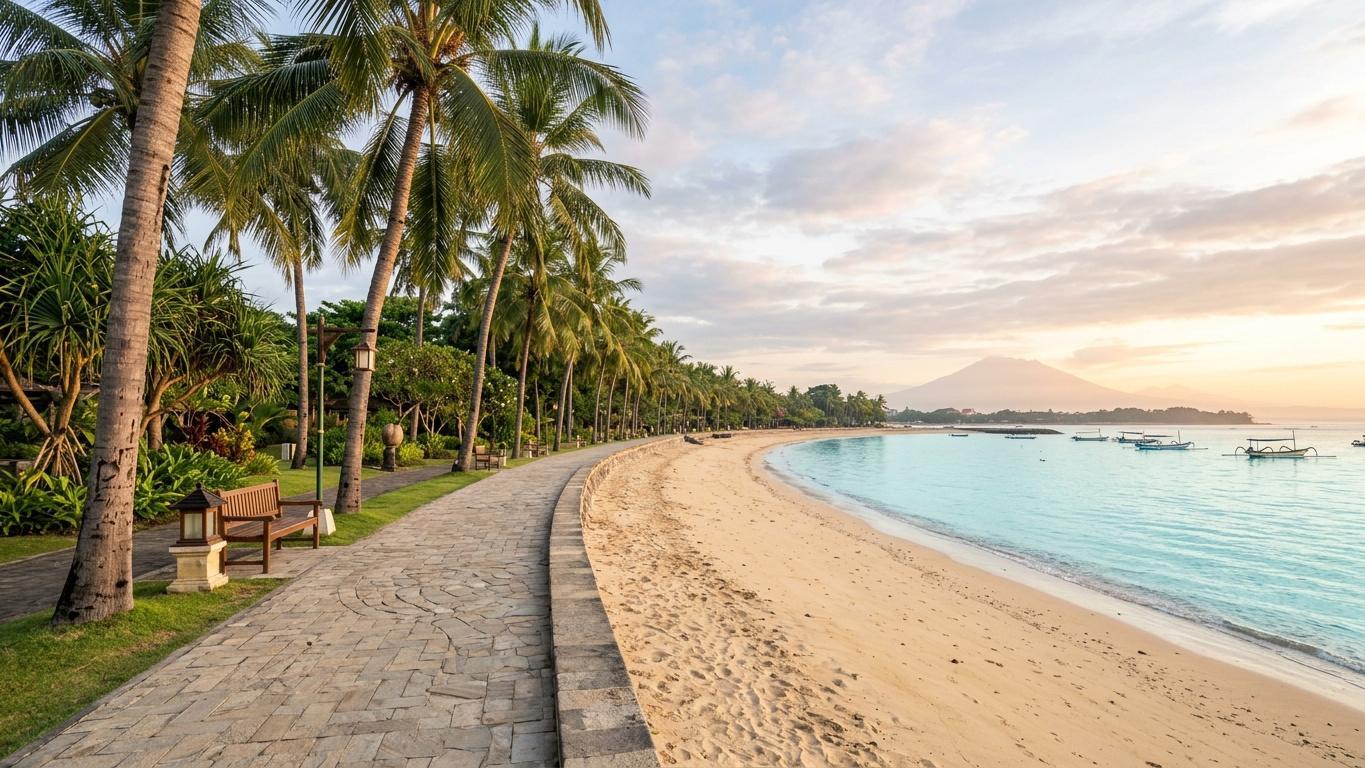
Its location right on the paved promenade makes it highly accessible, allowing you to easily integrate a moment of quiet reflection into your daily coastal stroll, cementing its position among the best temples in Sanur and Denpasar, Bali.
Detailed Information:
- Address: Jalan Hang Tuah (Beachfront Promenade), Sanur, Bali, Indonesia
- Opening Hours: 8.00 AM to 6.00 PM daily
- Entrance Fee: Complimentary (Sarong and sash are required)
- Best For: Sunrise meditation, coastal views, and ocean purification rituals
Comparison of the Best Temples in Sanur and Denpasar, Bali
To help you organise your cultural journey, the following table summarises the key features, locations, and primary appeals of the sacred sites featured in this guide.
| Temple Name | Location | Primary Appeal | Key Architectural Feature |
| Blanjong Temple | Sanur | 10th-Century History | Prasasti Blanjong (Bilingual Pillar) |
| Jagatnatha Temple | Denpasar | State Shrines & Devotion | Towering White Coral Padmasana |
| Pura Dalem Pengembak | Sanur | Water Purification | Sacred Melukat Springs & Mangroves |
| Maospahit Temple | Denpasar | Majapahit Heritage | Ancient Red Clay Brick Gates |
| Sakenan Temple | Serangan | Coastal Pilgrimage | Coral Limestone Structure |
| Petilan Temple | Denpasar | Sacred Trance Rituals | Large Ceremonial Courtyards |
| Pura Segara | Sanur | Ocean Blessings | Beachfront Reef Coral Carvings |
Where to Stay During Your Bali Temple Tour
After a dedicated day of exploring the best temples in Sanur and Denpasar, Bali, returning to a restorative environment is essential to fully absorb your cultural experiences. The Meru Sanur serves as the ultimate beachfront sanctuary, offering a refined, unhurried base for your travels.
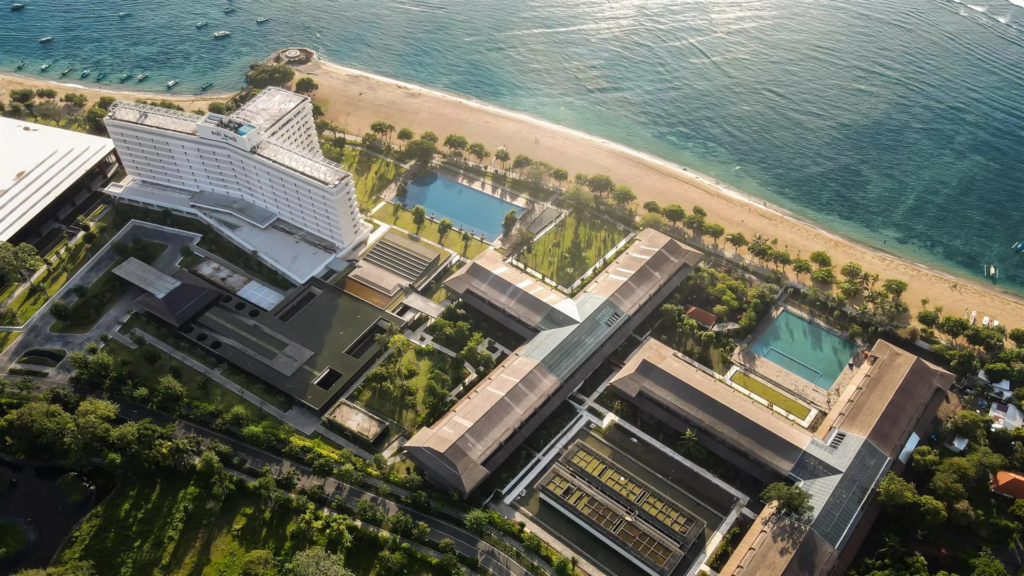
Located within Indonesia’s first special economic zone for health and wellness, the resort is just minutes from the region’s primary historic landmarks. Upon entering our lobby, the energetic pace of the capital’s streets instantly dissolves, replaced by the soothing acoustics of flowing water and the calming, earthy aesthetics of tropical modernism.
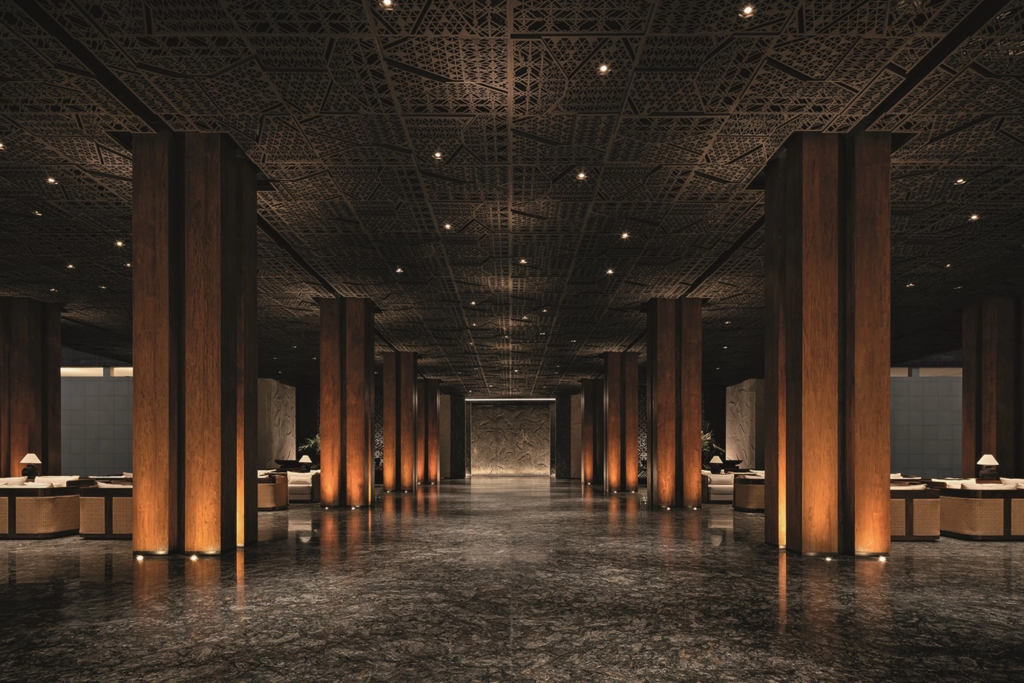
The resort’s guiding philosophy is Sekala Niskala, the Balinese belief in the essential balance between the seen, physical world and the unseen spiritual realm. This concept is woven into our private suite collection, which is designed to prioritise spatial comfort and mental clarity.
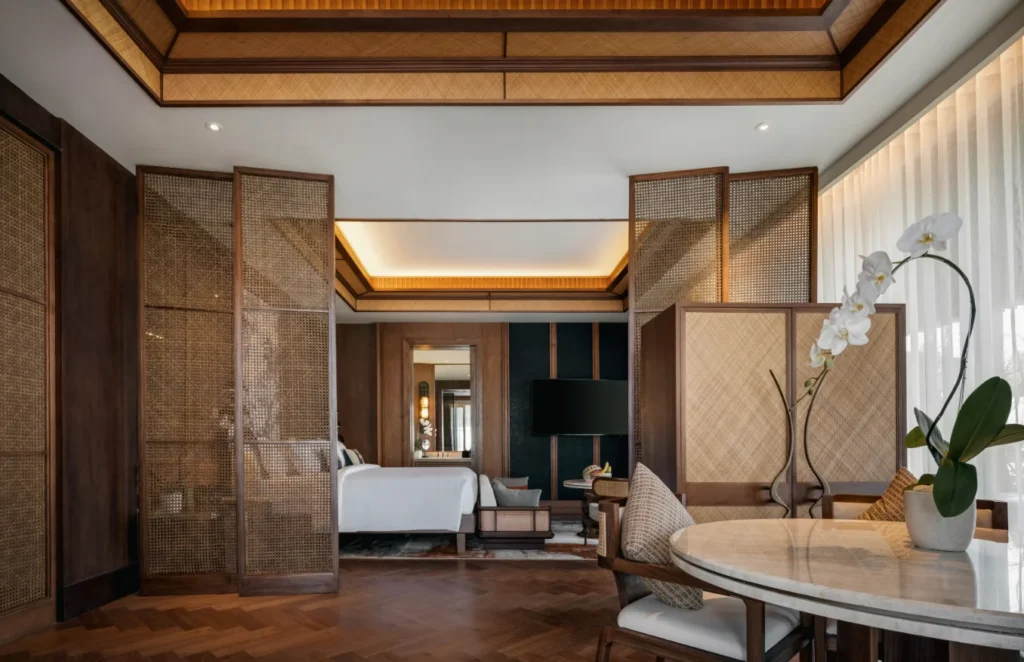
For cultural seekers, the Meru Suite offers an expansive 160 square meters of luxury, featuring a separate living room and a private terrace overlooking the tranquil gardens and the white sands of Sanur Beach.
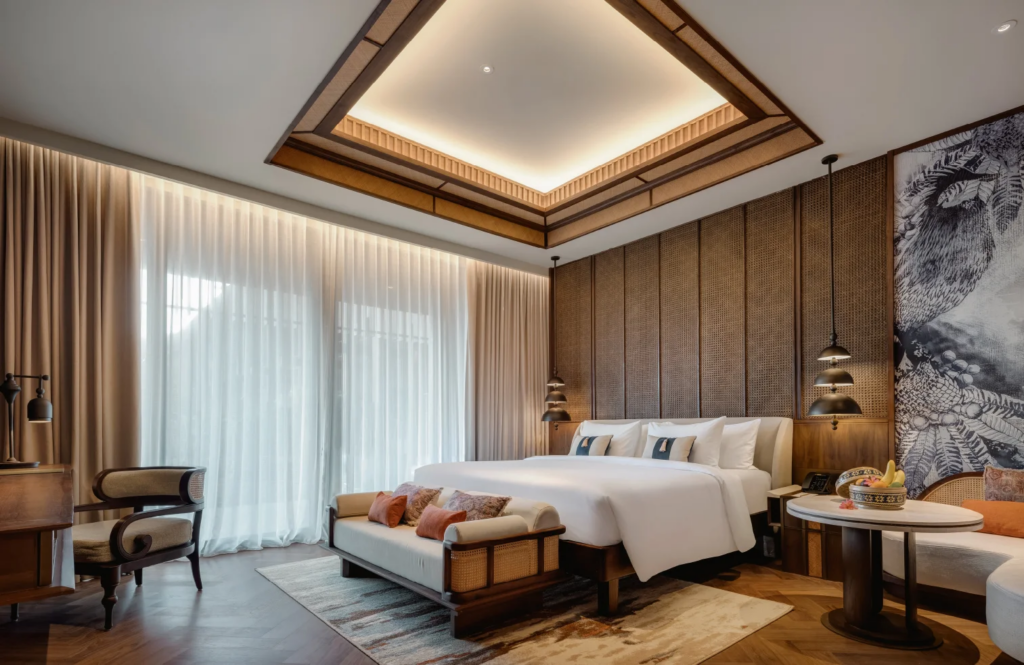
If you prefer to be fully immersed in the resort’s lush landscaping, the Tropical Suite provides eighty-three square meters of light-filled space, serving as a private haven for quiet contemplation.
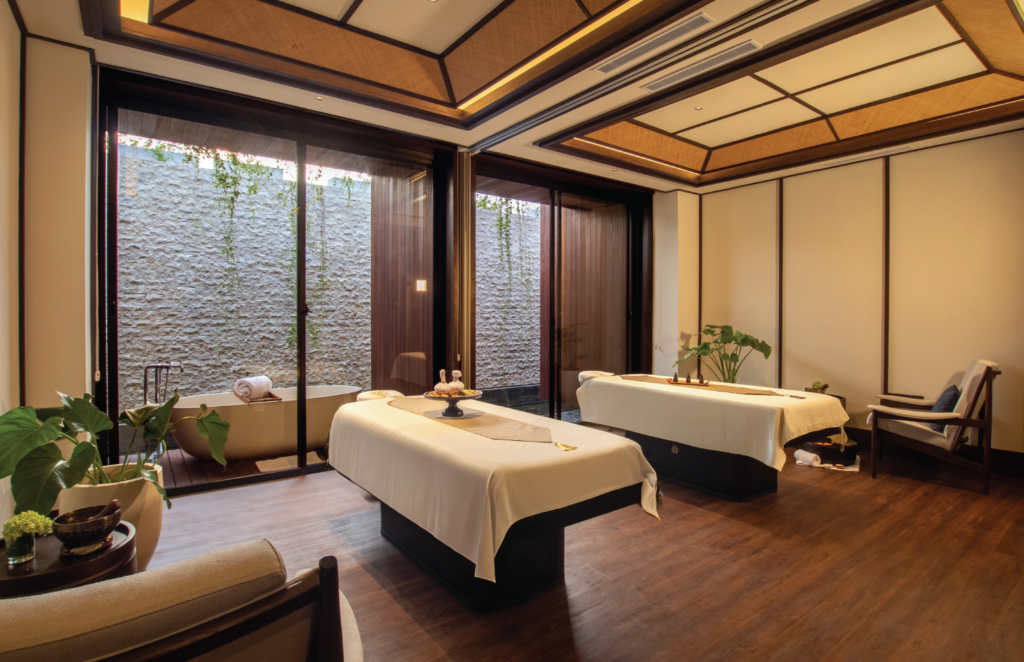
To physically and spiritually integrate the lessons learned at the historic landmarks, we invite you to experience the Taru Pramana Spa & Wellness centre. The spa draws its profound inspiration from the Lontar Usada, ancient manuscripts that document Bali’s traditional botanical medicine.
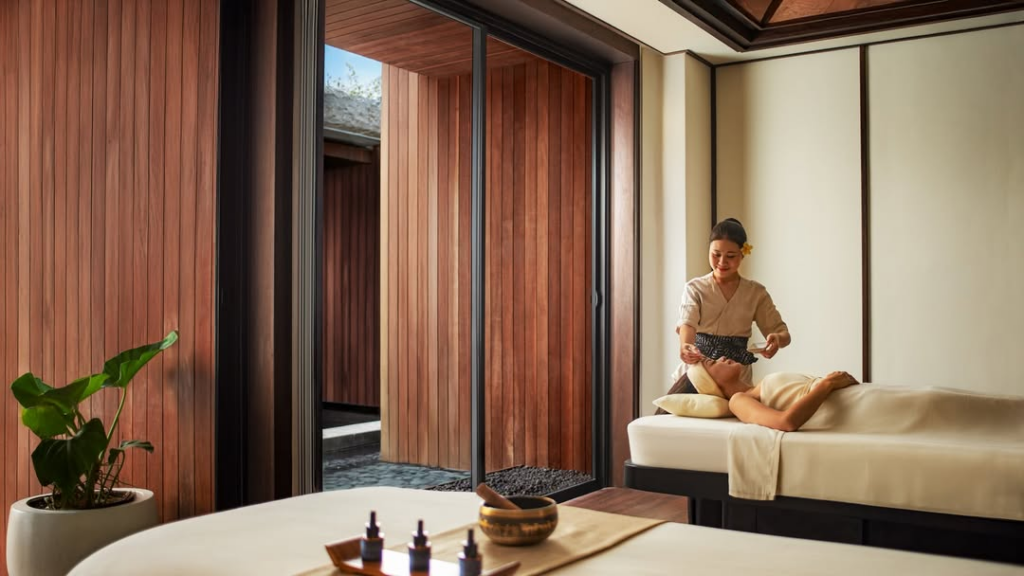
Our treatments are delivered with soulful intention, helping to restore harmony between body, mind, and spirit. It is an intentional environment where you can pursue your personal healing journey with complete tranquillity, open daily from 9.00 AM to 9.00 PM.
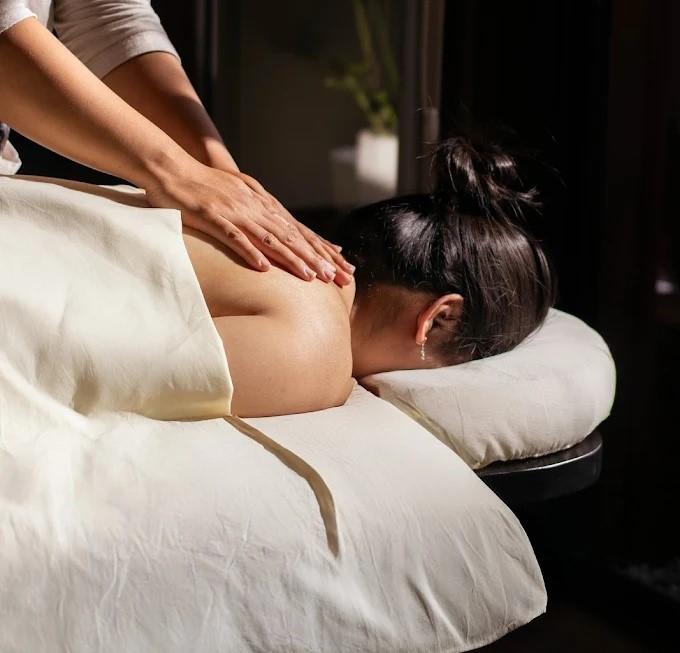
For total recovery after a long day of walking, the Meru-Jaga ritual is highly recommended and priced at approximately 120 USD (IDR 1,850,000++ per person). This deeply restorative journey begins with a revitalising coconut-salt scrub to awaken the senses, followed by a soothing aroma massage with a bespoke oil blend infused with the harmonic vibrations of a singing bowl. The ritual concludes with a traditional Jamu face care treatment, leaving your skin nourished and radiant.

For those who spent their day outdoors, the After-Sun Recovery Facial by Swissline utilises the precision of Swiss cellular science combined with Aloe Vera and chamomile to purify, comfort, and restore sun-stressed skin.
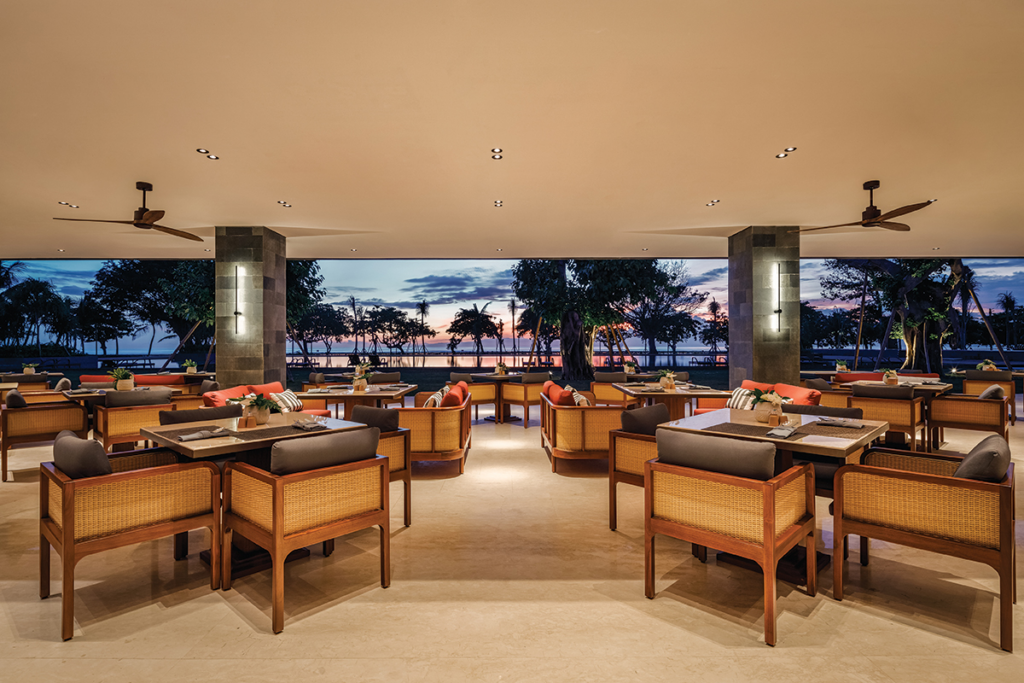
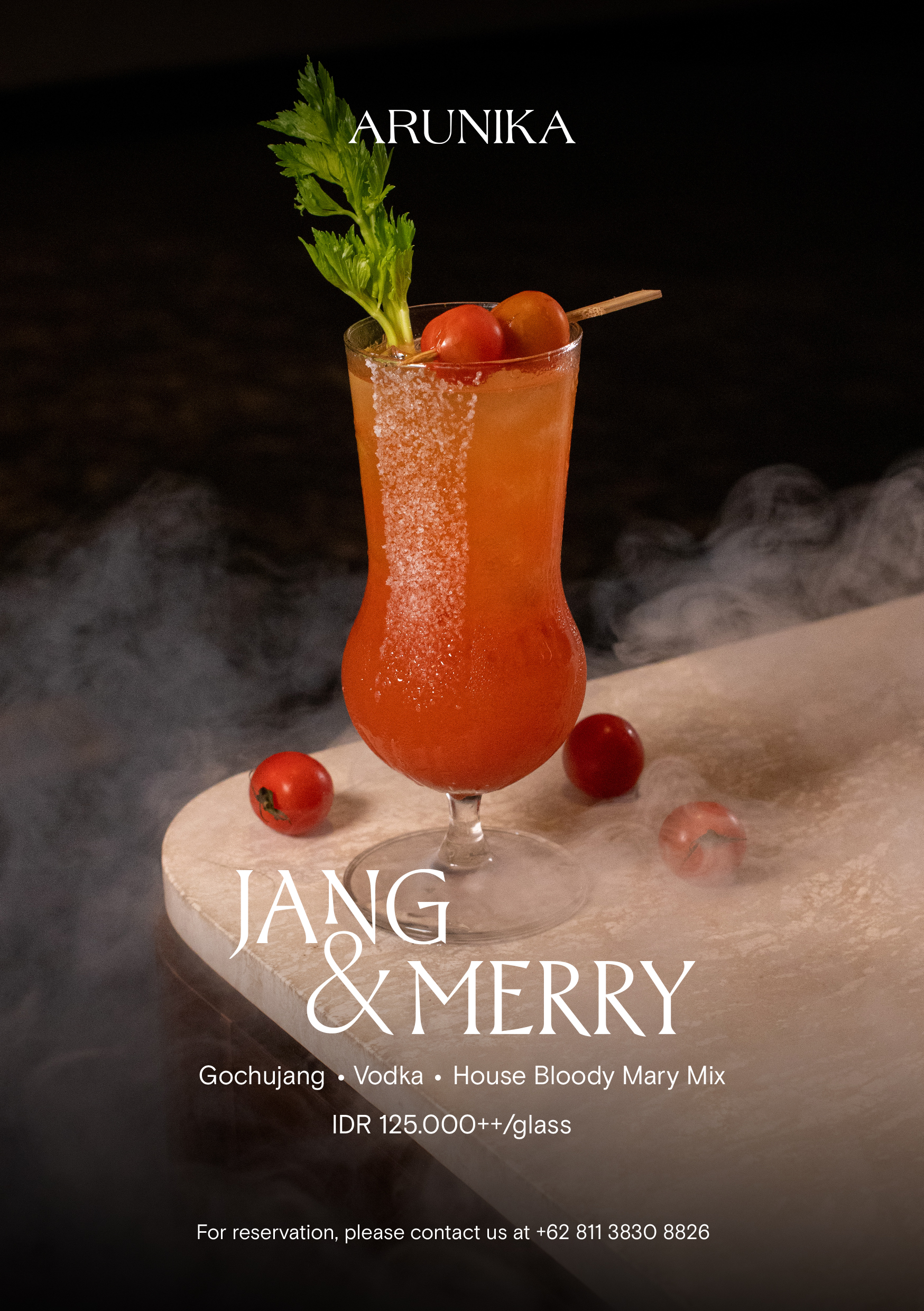
Nourishment is a central pillar of the Meru experience, and our culinary venues are designed to support your physical vitality. At Arunika Restaurant, our open-air venue situated in the midst of an expansive pool garden, the culinary team focuses on organic, locally sourced ingredients.
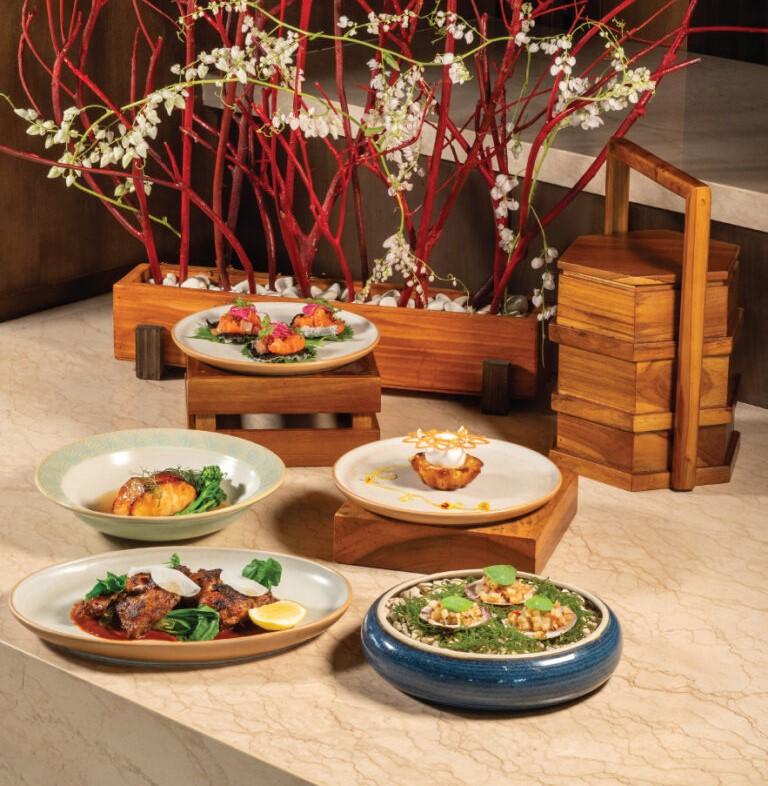
The kitchen has made the conscious decision to exclude processed salt from its healthy offerings, using natural alternatives like Balinese sea salt, celery salt, and local honey to enhance flavours. Guests can also enjoy traditional, cold-pressed Jamu drinks, prepared daily from ancient recipes to boost immunity and vitality.
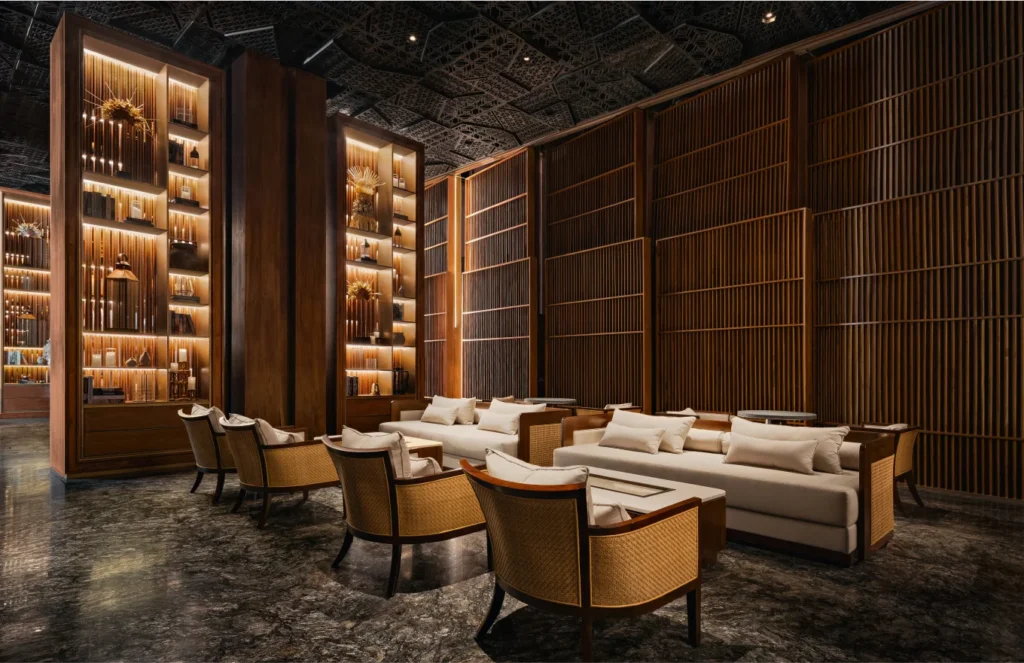
To conclude your evening, we invite you to unwind in the quiet, library-like ambience of the Sutasoma Lounge. Open from 11.00 AM until midnight, this sophisticated space is the perfect environment to enjoy a heritage-inspired cocktail or read more about Balinese philosophy.
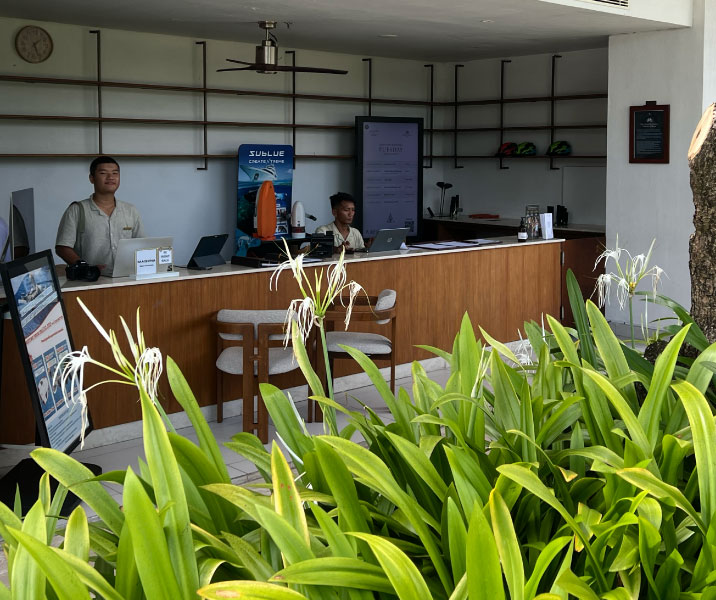
For those who wish to arrange private, guided excursions, our dedicated Activity Desk stands ready to assist, partnering with professional local guides to ensure your journey through the sacred landmarks is seamless, respectful, and deeply educational.
By choosing The Meru Sanur, you ensure that your exploration of the east coast is supported by an environment of absolute exclusivity, where every logistical need is managed with grace. Settle into our intimate, wellness-focused haven and begin your journey to complete restoration.
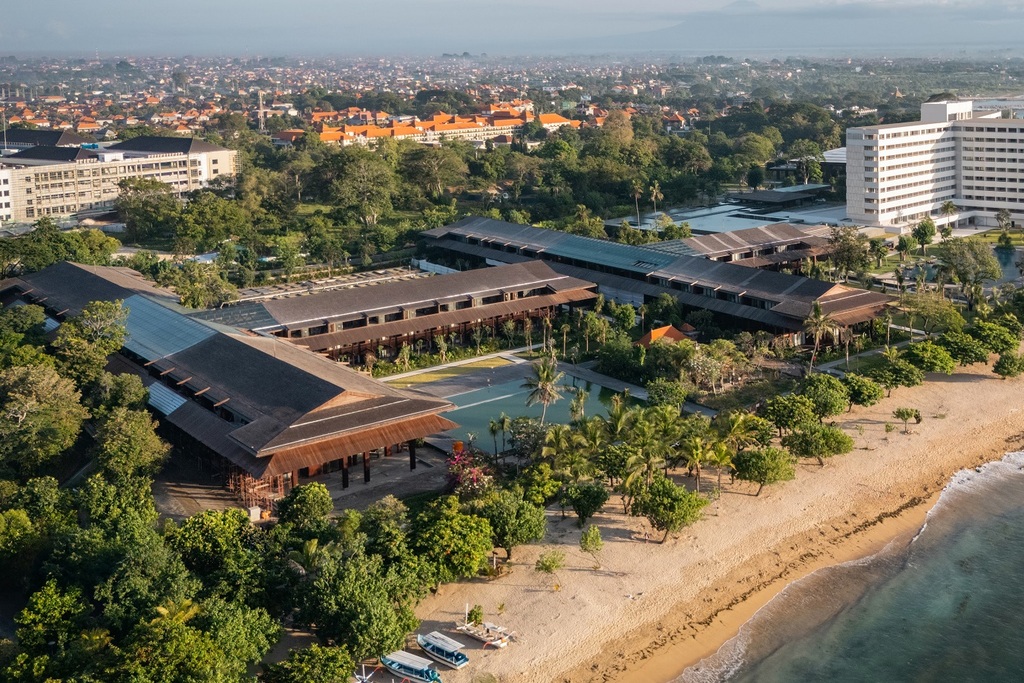
The Activity Desk’s guides do more than drive you there
Booking through the resort’s Activity Desk for temple visits isn’t just about transport — the guides are professionals briefed specifically on the etiquette and protocol of each sacred site, which matters more here than at a typical tourist attraction.
That guidance is worth choosing over a standalone taxi or self-drive option: knowing what’s appropriate to wear and how to behave at each temple removes a layer of uncertainty from what’s otherwise a demanding day of sightseeing.
Conclusion
Sanur ancient town is not only a tourist destination but also a journey to discover unique cultural and historical values. The sacred landmarks of the east coast and the capital city provide a profound, unmodified glimpse into the spiritual heart of Bali.
By combining the intellectual and cultural discovery of the best temples in Sanur and Denpasar, Bali, with the restorative, wellness-led luxury of The Meru Sanur, you ensure your Bali holiday is a balanced and meaningful experience. We look forward to welcoming you to the Sunrise Coast, where the legacy of Balinese faith and tranquil hospitality continues to shine.
*Prices are for reference only and may change without notice. Please contact us directly for current rates.
FAQs
What is the proper dress code for visiting the best temples in Sanur and Denpasar, Bali?
To enter any sacred Hindu site in Bali, visitors must dress modestly out of respect for local customs. Both men and women are required to wear a traditional sarong that covers the knees, along with a ceremonial sash tied around the waist. Shoulders must also be covered, and wearing light or white clothing is highly appreciated.
Are these sacred sites open to international visitors every day?
Yes, most temples are accessible to visitors daily during daylight hours (typically from 8.00 AM to 6.00 PM). However, access may be restricted during major religious holidays such as Nyepi, or when private, village-specific ceremonies are taking place. It is always wise to consult with your resort concierge before departing.
Which temple holds the oldest historical artifact in the area?
Blanjong Temple (Pura Blanjong) in Sanur holds this distinction. It houses the 10th-century Blanjong Pillar, a grey volcanic stone column featuring bilingual inscriptions in Sanskrit and Old Balinese, marking the earliest written record of Balinese history on the island.
Do I need to pay entrance fees or make a donation?
Most temples in Sanur and Denpasar do not have fixed entrance fees for international visitors. However, it is customary and highly appreciated to place a small donation (typically around IDR 20,000 to IDR 50,000, equivalent to approximately $1.30 to $3.20 USD) in the donation box at the entrance to help the local community maintain the sacred grounds.
Can the resort assist with traditional sarong rentals for temple tours?
Yes, absolutely. The dedicated Activity Desk at The Meru Sanur can provide traditional sarongs and sashes for guests embarking on cultural excursions. Our team can also coordinate private, professionally guided tours, ensuring you are fully equipped and culturally prepared for your temple visits.