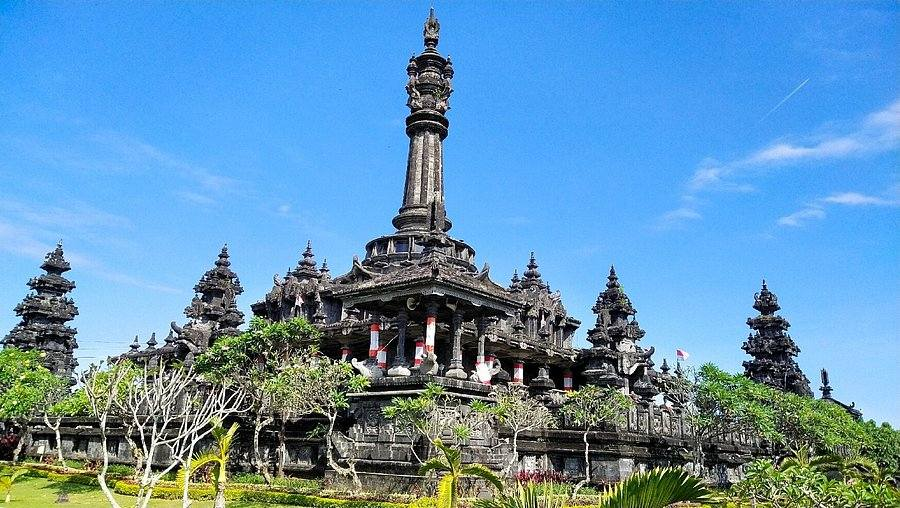
The Bajra Sandhi Monument stands as the architectural heartbeat of Bali’s capital, a soaring testament to the resilience and spirit of the Balinese people. Far more than a mere landmark, this grand structure offers an immersive journey through centuries of struggle and triumph against colonial rule. For travelers seeking a profound connection to the island’s historical narrative in 2026, a visit to this site is an essential chapter in any cultural itinerary.
Visiting the Bajra Sandhi Monument in Denpasar
- Design: The monument’s architecture is a masterclass in Balinese semiotics, designed by Ida Bagus Gede Yadnya.
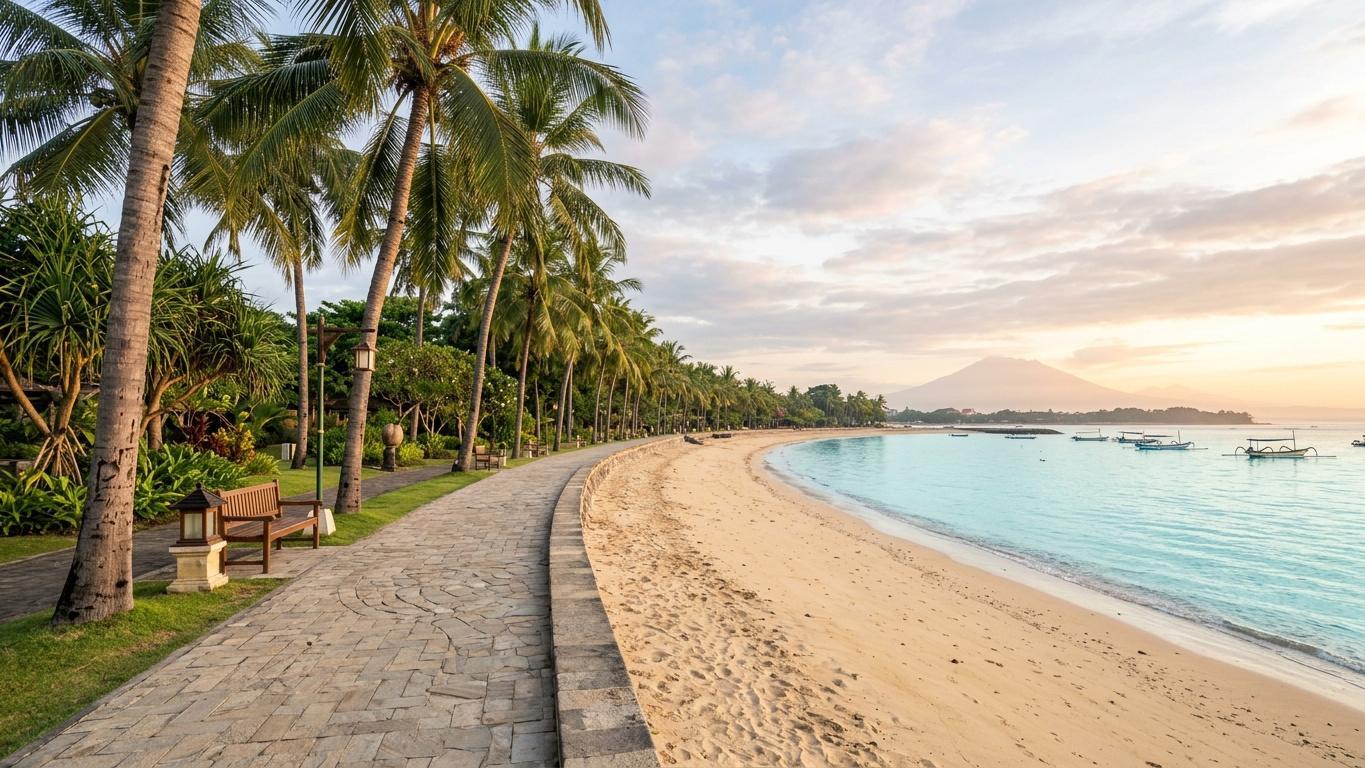
- Where to Stay: After exploring Denpasar’s landmarks, returning to a tranquil basecamp like Sanur is worth planning for.
- Inside: The Diorama Museum on the second floor houses 33 intricate 3D dioramas depicting Balinese history.
- History: The monument’s design and symbolism trace back through Bali’s independence-era history.
- Good to Know: Budgeting time for both the monument grounds and the diorama museum inside makes for a fuller visit.
The Symbolism and Architecture of the Monument
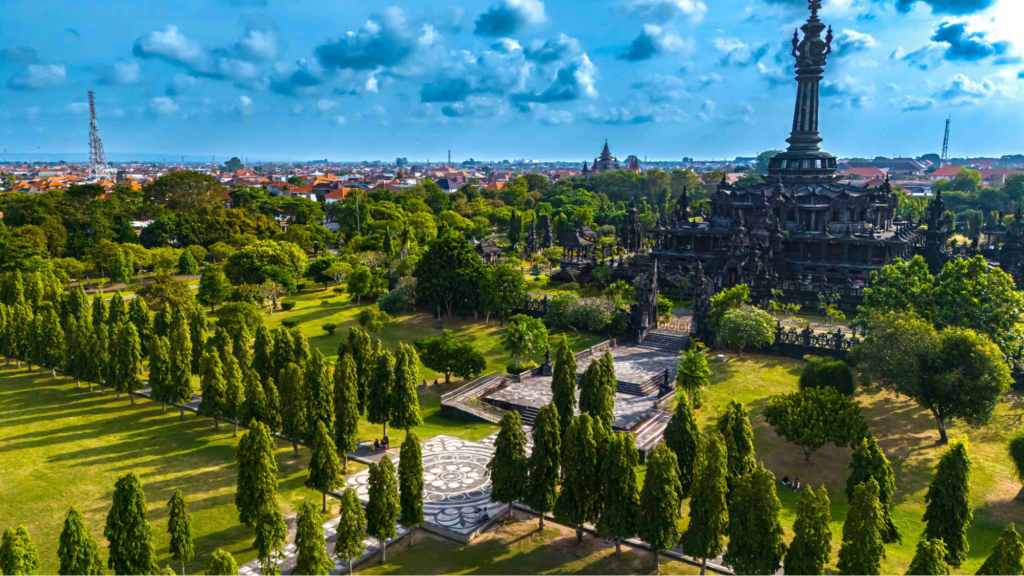
The architecture of the Bajra Sandhi Monument is a masterclass in Balinese semiotics, designed by Ida Bagus Gede Yadnya in 1981 and completed in 2003. Its form is inspired by the “Bajra,” a traditional bell used by Hindu priests during religious ceremonies, which symbolizes the voice of the divine and the call to mindfulness.
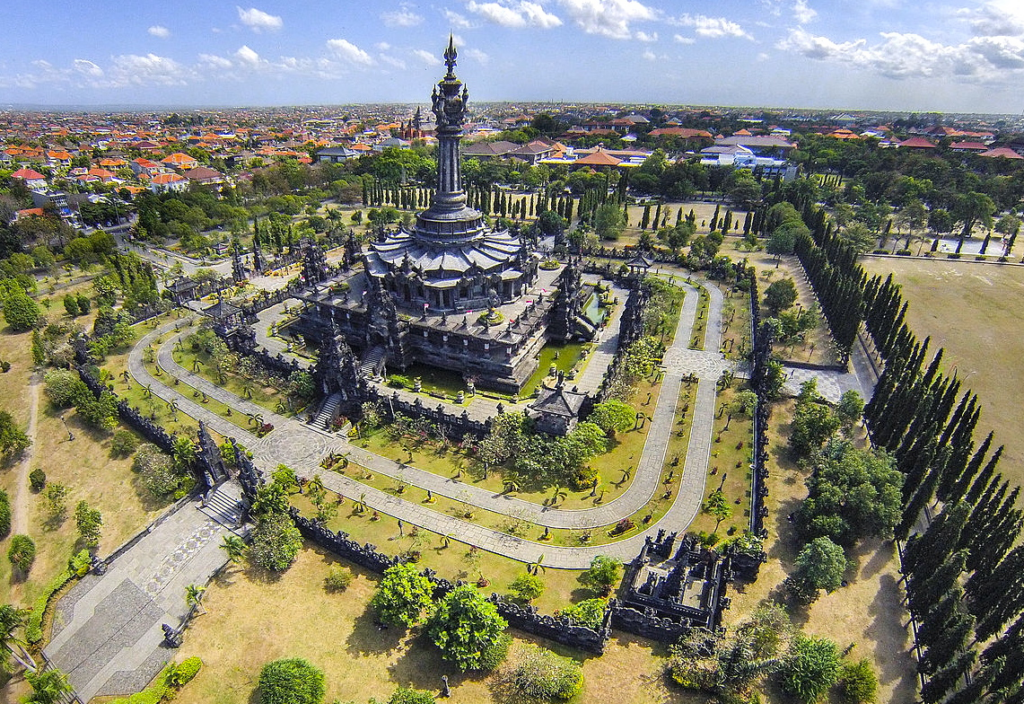
The monument is situated within the Niti Mandala park, an expansive green space that serves as the “lungs” of Denpasar. The physical structure is built according to the Tri Mandala concept of Balinese spatial logic, dividing the space into the Nista Mandala (outer courtyard), Madya Mandala (middle courtyard), and Utama Mandala (inner sanctum).
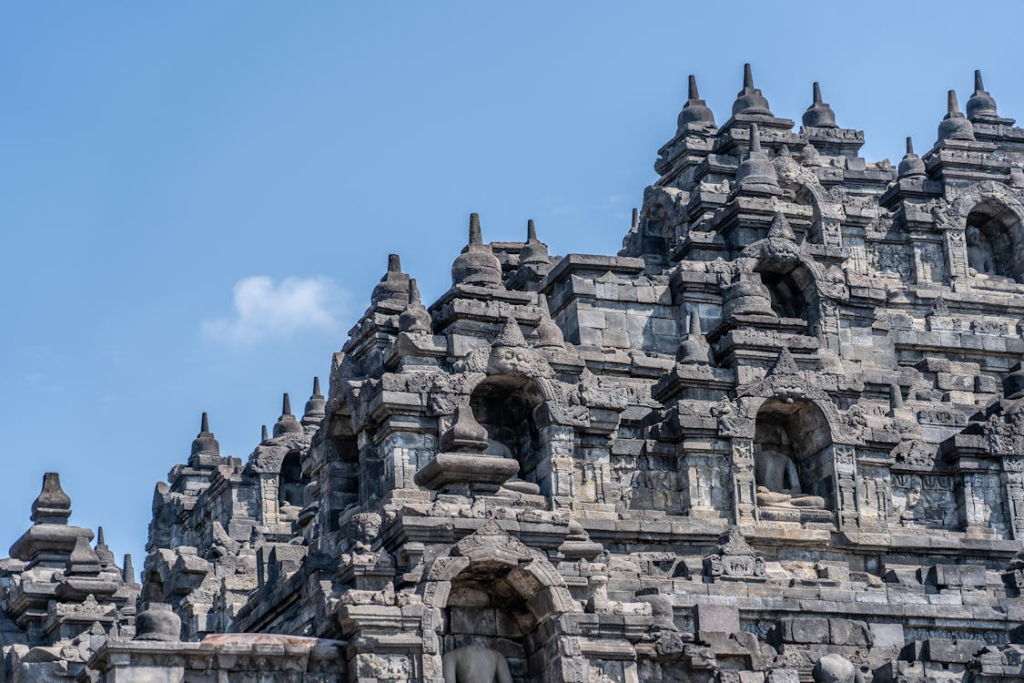
Every dimension of the building carries a deeper numerical significance related to Indonesian history. The monument features 17 main gates, 8 grand pillars, and a total height of 45 meters. These numbers specifically represent August 17, 1945, the date Indonesia declared its independence.
The use of grey volcanic stone gives the monument an aged, majestic feel, ensuring it feels like a silent guardian over the city’s vibrant atmosphere. As a “Sage” of Denpasar’s landscape, the monument educates visitors on the balance of Sekala (the seen) and Niskala (the unseen), where the physical stones serve as a vessel for the island’s indomitable spirit.
What to See Inside Bajra Sandhi
Entering the monument’s interior reveals an educational sanctuary where the island’s history is preserved with meticulous care. Here are the primary features that allow visitors to engage deeply with the legacy of the Balinese people.
The Diorama Museum of Balinese History
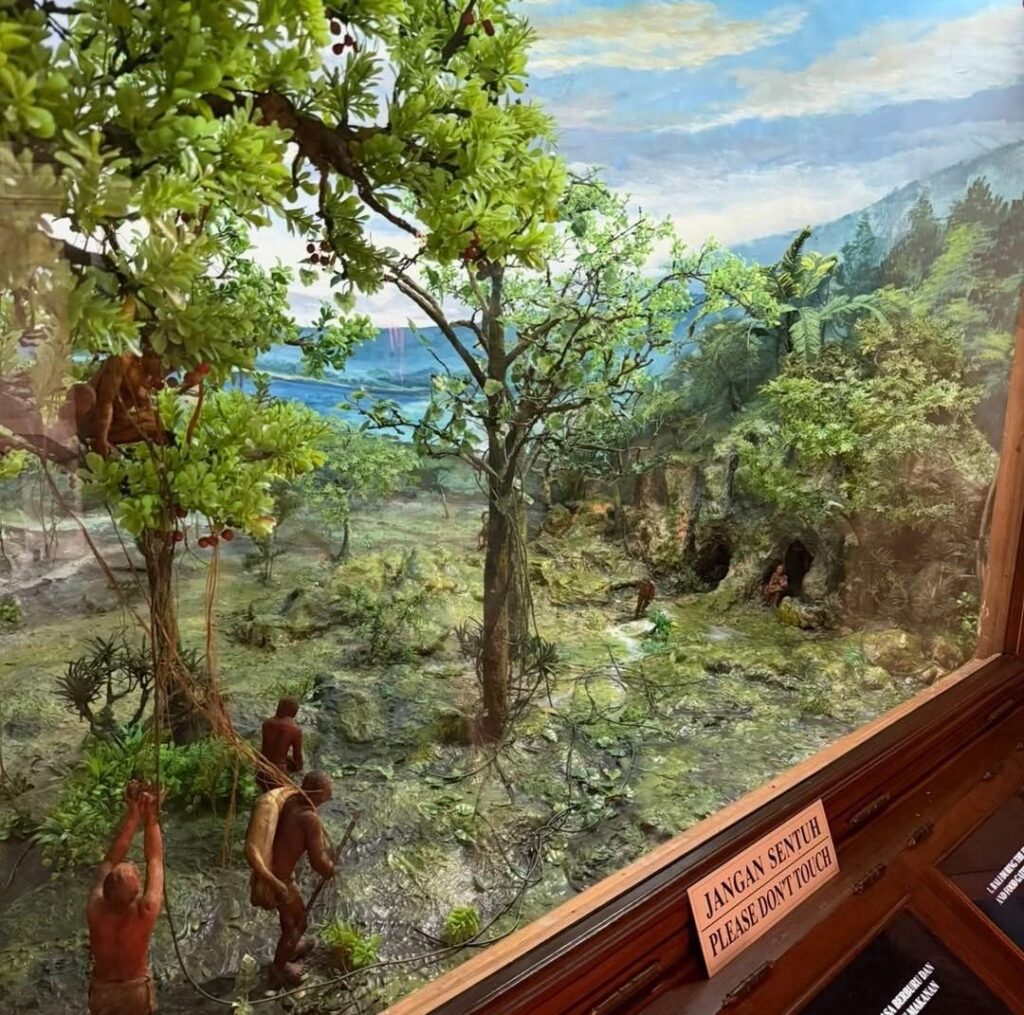
The second floor of the Bajra Sandhi Monument houses a permanent exhibition consisting of 33 intricate 3D dioramas. These dioramas are arranged in a circular timeline, guiding visitors through the island’s major eras.
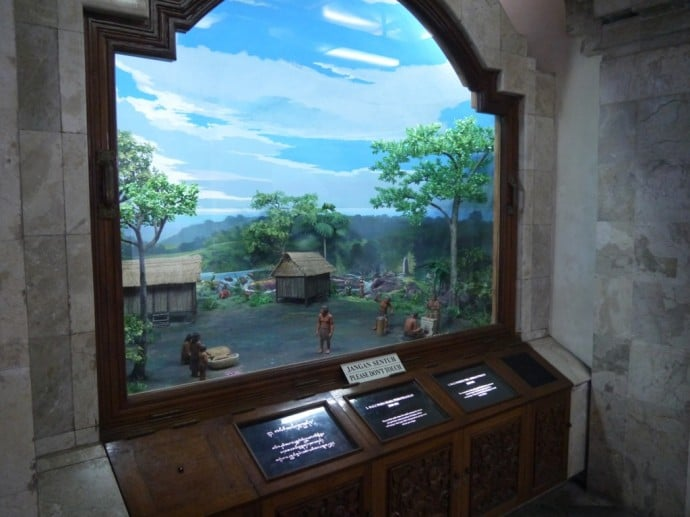
The journey begins with prehistoric Bali, showing early settlers and the development of agricultural traditions. As you move around the gallery, you witness the introduction of Hinduism, the rise of the powerful Majapahit Empire, and the flowering of Balinese arts and crafts that would eventually attract the world’s attention.
The most moving sections of the diorama museum focus on the resistance against Dutch colonial forces. You can see detailed recreations of the “Puputan,” or the fight to the death, where Balinese royalty and their followers chose self-sacrifice over surrender.
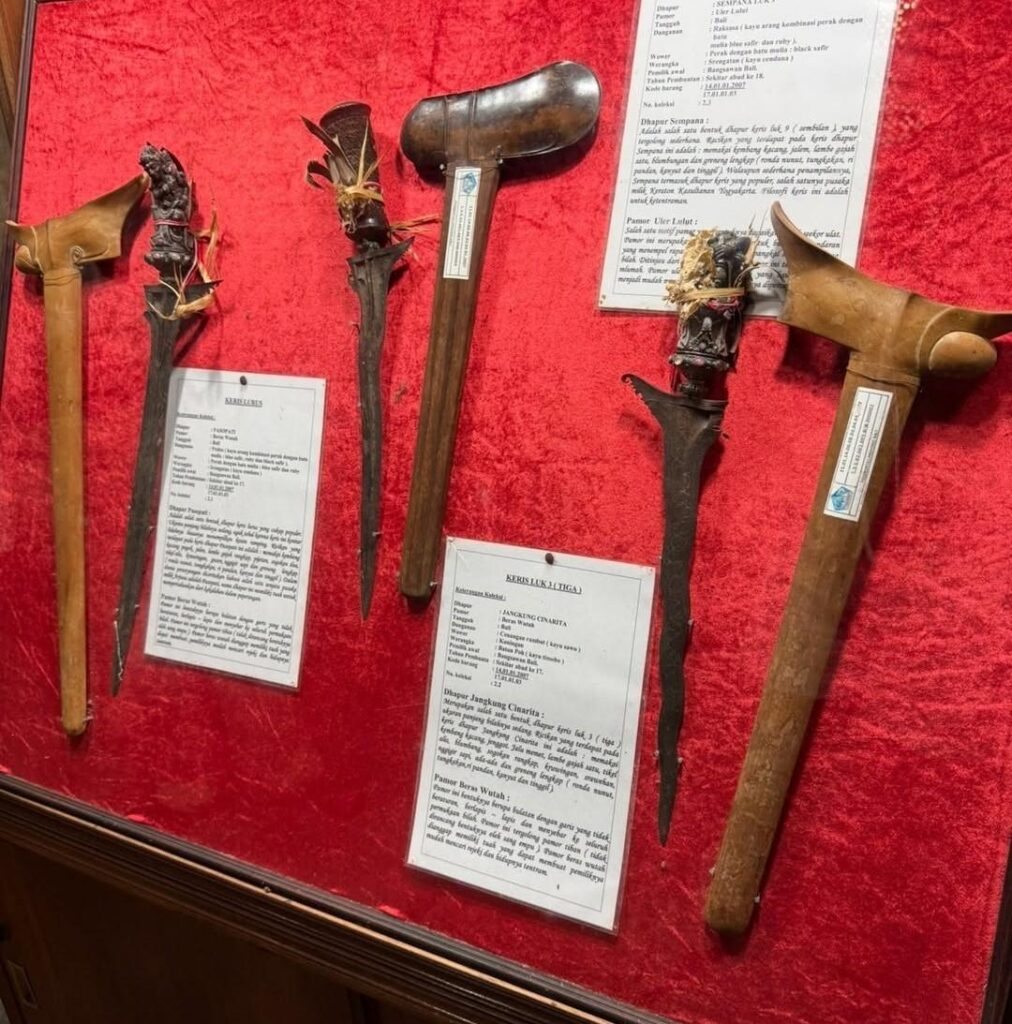
These scenes are designed to provide context and weight to the island’s modern peace. Each display is accompanied by descriptions in Indonesian and English, allowing for a self-guided lesson in sociology and history. Spending time in this gallery provides a necessary grounding for any traveler who wishes to understand the “soul” of the destinations they visit.
The Meru Sanur Guest Insight
The Diorama Museum inside the monument is worth the detour for cultural travelers staying at The Meru Sanur — understanding the historical weight of the “Puputan” tends to add real depth to how guests experience the island’s temple rituals and peaceful coastal atmosphere for the rest of their stay.
The 360-Degree Viewing Platform
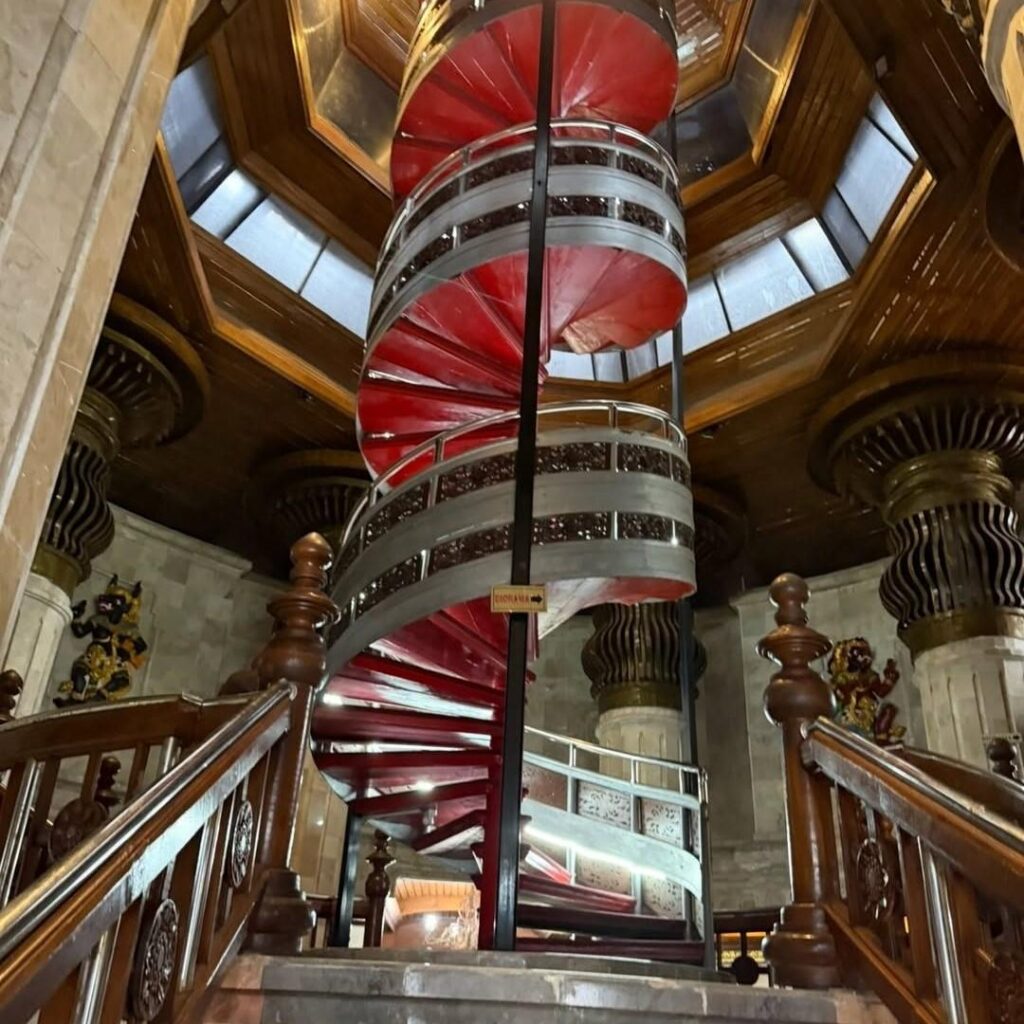
For those willing to ascend the central spiral staircase, the monument’s top floor offers a panoramic viewing platform. At a height of 45 meters, this circular balcony provides an unobstructed, 360-degree view of the Denpasar skyline and the surrounding regencies.
On a clear day, you can see the distant volcanic peaks of northern Bali and the shimmering coastline of the east. This vantage point allows you to appreciate the park’s geographic layout, with its symmetrical pathways and lush lawns.
Concierge Architecture Tip
As you ascend the central spiral staircase to the 360-degree viewing platform, pay close attention to the architectural transition. The staircase is intentionally designed to resemble a tight, enclosed chamber that suddenly opens up to an expansive, sun-lit balcony. Our team recommends pausing for a moment at the very top step to fully absorb this dramatic physical shift, which symbolizes leaving the material world to enter a state of higher spiritual awareness.
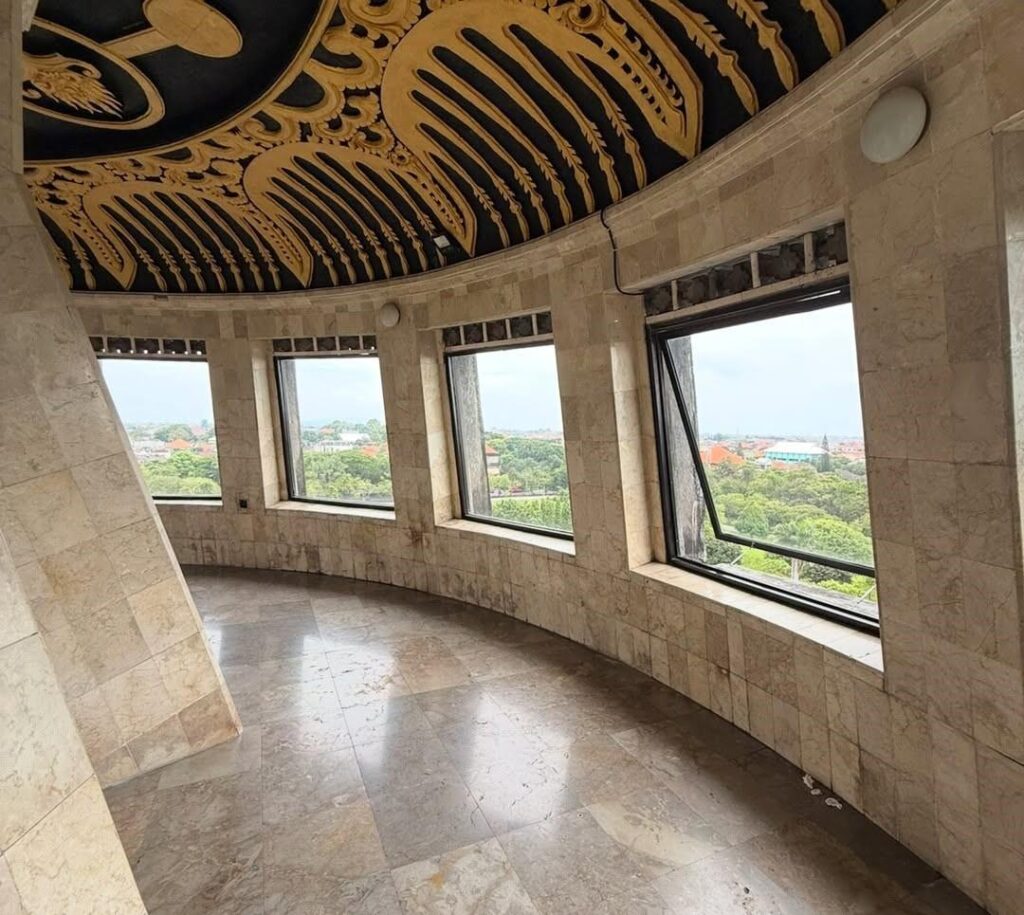
The climb to the top is considered a symbolic ascent toward clarity and transcendence. The viewing platform is a popular spot for photography, as its elevation offers a rare perspective of the city, given that most buildings are kept below the height of a coconut tree. It is a quiet space where you can feel the sea breeze from Sanur meeting the cooler air from the central highlands. Observing the sprawling city from this quiet height helps to align your perspective on the intersection of ancient tradition and modern urban life.
The Ground Floor Meditation Space
The ground floor of the Bajra Sandhi Monument is a vast, open area dedicated to reflection and community interaction. Known as the “Puser Tasik,” this area features a central pool and fountain that creates a soothing acoustic environment. The walls are adorned with relief carvings and information boards that detail the monument’s construction and the significance of its design. This level serves as a transitional space, allowing visitors to decompress before entering the historical galleries above.
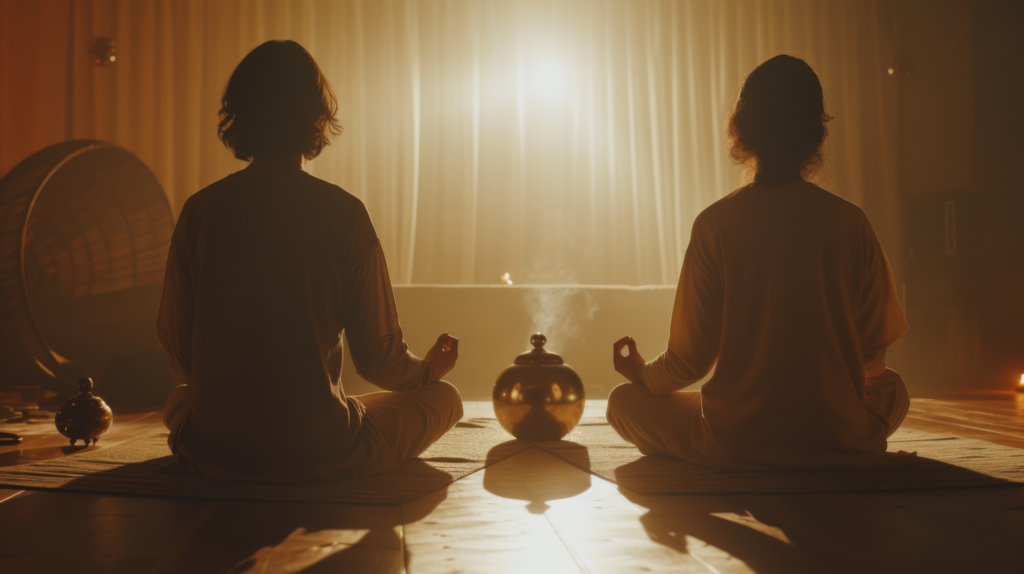
In 2026, this space continues to host various cultural workshops and temporary art exhibitions. It is an ideal area for students and researchers to study Balinese scripts or participate in discussions about local philosophy. The cool, shaded stone environment provides immediate relief from the midday tropical sun, making it a peaceful sanctuary in the heart of the capital. The emphasis here is on unhurried observation, encouraging a slow, intentional pace for your visit.
Practical Information for Visitors
To ensure a seamless visit to the Bajra Sandhi Monument, plan your arrival and understand the current logistical requirements. The site is a popular destination for both local school groups and international tourists, making timing an essential factor for a tranquil experience.
Location and How to Get There
When compiling a list of cultural things to do in Denpasar, the monument is an essential stop, located at Jalan Raya Puputan No. 142, in the Renon administrative district. This area is known for its wide boulevards and government offices, offering a different atmosphere from the city center’s narrow streets.
- From Sanur: The drive from Sanur’s beachfront luxury resorts to the monument takes approximately 15 to 20 minutes, depending on daily traffic.
- Ride-hailing: Apps like Grab and Gojek are the most convenient options for international visitors. You can book a car or scooter taxi at a fixed price, ensuring transparent pricing.
- Private Driver: For those participating in a full-day city tour, your driver can park in the large designated parking area on the eastern side of Renon Square.
- Walking: If you are staying in the Renon area, the monument is easily reachable on foot, providing a pleasant walk through one of the city’s greenest neighborhoods.
*Prices are for reference only and may change without notice. Please contact us directly for current rates.
Entrance Fees and Opening Hours
The Bajra Sandhi Monument follows a standardized fee structure for 2026, with proceeds contributing to the preservation of the site and the surrounding park.
| Category | Entrance Fee (IDR) | Approximate Price (USD) |
| Adult | IDR 30,000 | $1.75 |
| Children | IDR 15,000 | $0.88 |
Opening Hours:
- Monday to Friday: 08.00 AM to 6.00 PM
- Saturday: 09.00 AM to 6.00 PM
- Sunday: 10.00 AM to 6.00 PM
- Note: The monument may be closed on major Balinese Hindu holidays such as Nyepi.
*Prices are for reference only and may change without notice. Please contact us directly for current rates.
Tips for Your Visit
To get the most out of your exploration of this historic site, we have compiled several professional tips to help you feel more comfortable and better understand it.
Dress Appropriately for a Public Landmark
While the Bajra Sandhi Monument is a historical museum rather than an active temple, it is still a site of deep national and spiritual significance. We recommend wearing modest attire that covers the shoulders and knees. This is not only a sign of respect for the local culture but also ensures you are comfortable as you walk through the various levels of the structure. Many visitors find that wearing light, breathable fabrics like linen or cotton helps them manage the humidity of the tropical afternoon.
Timing for Photography and Lighting
If your goal is to capture the architectural beauty of the grey stone against a vibrant sky, the best time to visit is early morning, between 8.00 AM and 10.00 AM. During these hours, the sun is at a favorable angle, illuminating the intricate carvings on the monument’s exterior.
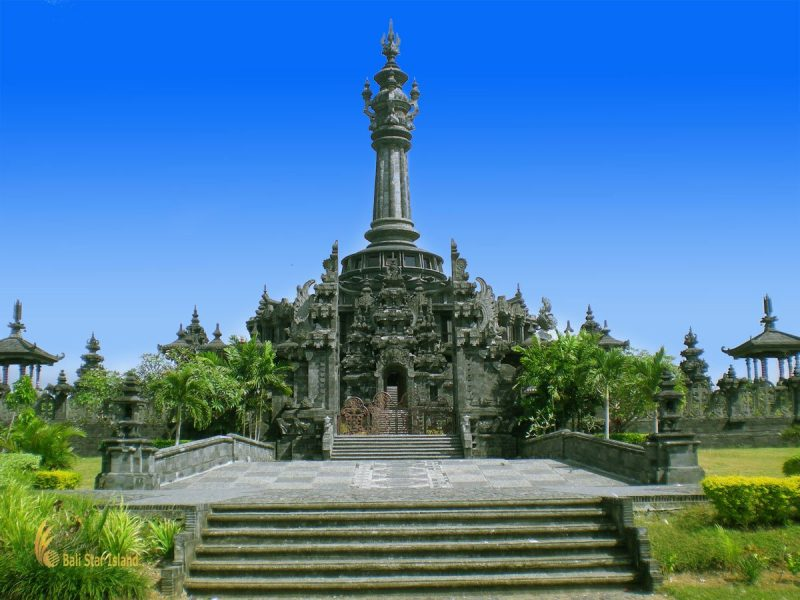
For those seeking a moodier, more dramatic aesthetic, the “golden hour” between 4.30 PM and 6.00 PM provides soft, warm light that highlights the textures of the volcanic rock. Visiting in the late afternoon also allows you to witness the park come alive with locals exercising and children flying kites.
The Meru Sanur Wellness Advice
Because the monument requires walking across multiple levels and climbing a narrow spiral staircase, it can be physically demanding in the tropical humidity. Our Wellness Concierge recommends scheduling your monument visit in the early morning, and pre-booking a Jala-Guna Herbal Poultice Massage at Taru Pramana Spa for 3:00 PM. The heated herbal poultices are highly effective at flushing out the lactic acid built up from the climb, perfectly resetting your body for a relaxing evening.
Engage with the Local Guides
While you can explore the monument independently, local guides are often available near the entrance who can provide additional layers of storytelling. These guides are experts in the specific historical events depicted in the dioramas and can explain the nuances of the Balinese resistance movements.
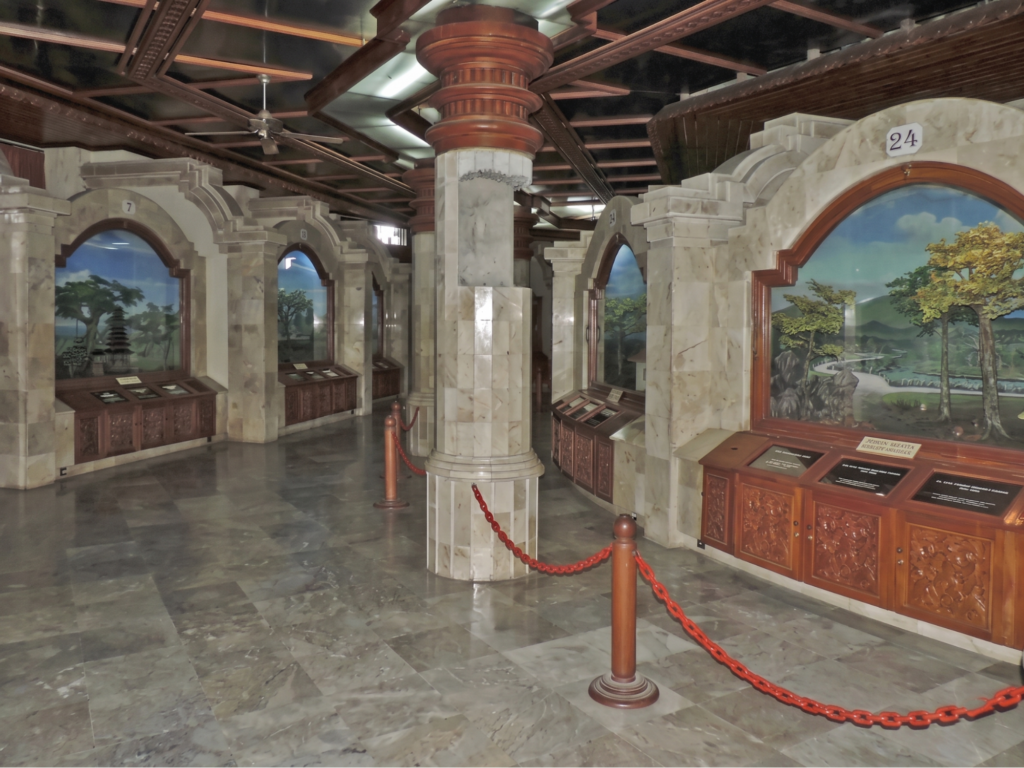
Engaging with a guide transforms a simple walk-through into a personalized history lesson, offering insights that are not always captured on the information boards. It is a fantastic way to support the local community while deepening your understanding of the island’s culture.
Returning to Tranquility: Sanur as Your Ideal Basecamp
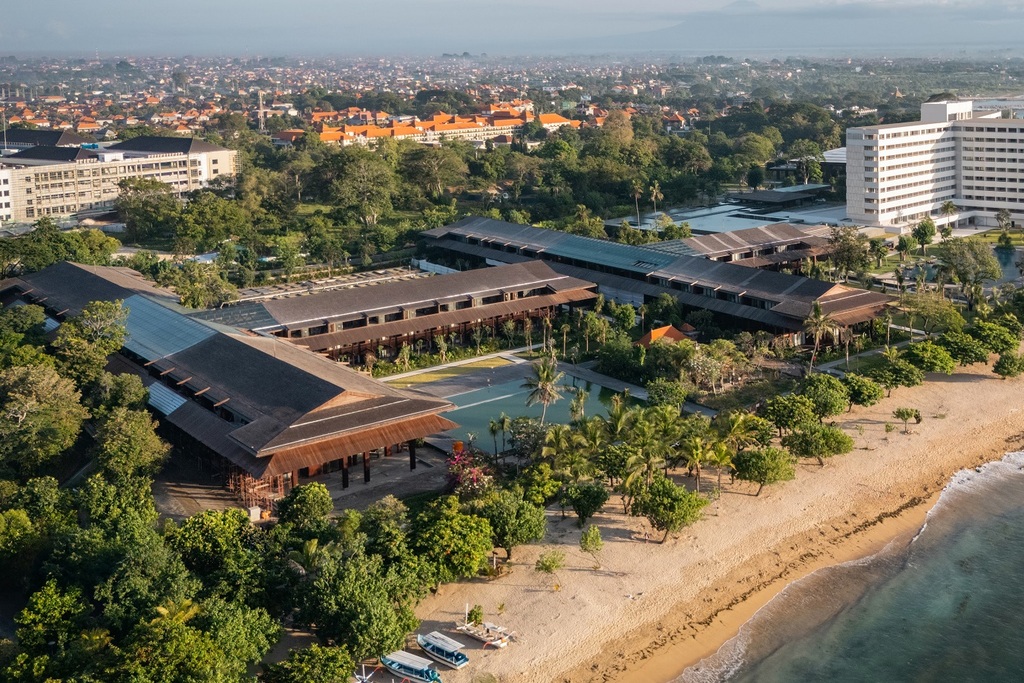
After exploring the grandeur of Denpasar’s landmarks and the monumental history of the Bajra Sandhi Monument, returning to the serene atmosphere of The Meru Sanur is the perfect way to conclude your day.
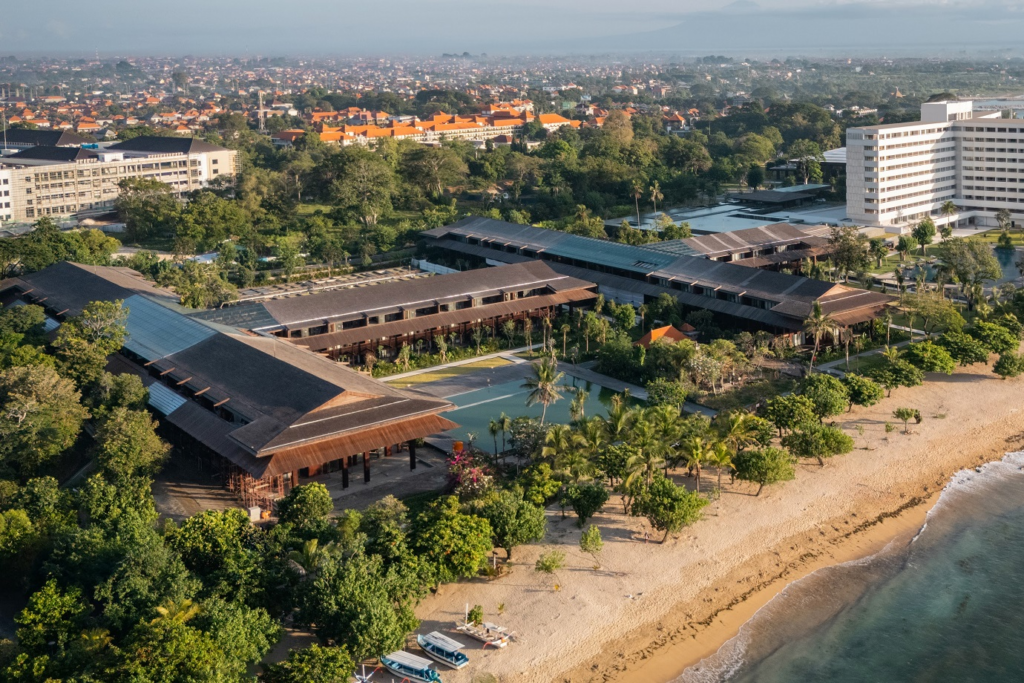
Widely regarded as one of the best family resorts in Sanur, Bali, our resort offers a peaceful coastal sanctuary where you can reflect on your cultural discoveries in complete tranquility. Located just a short distance from the bustling capital, The Meru Sanur provides an unhurried environment that prioritizes your holistic well-being.
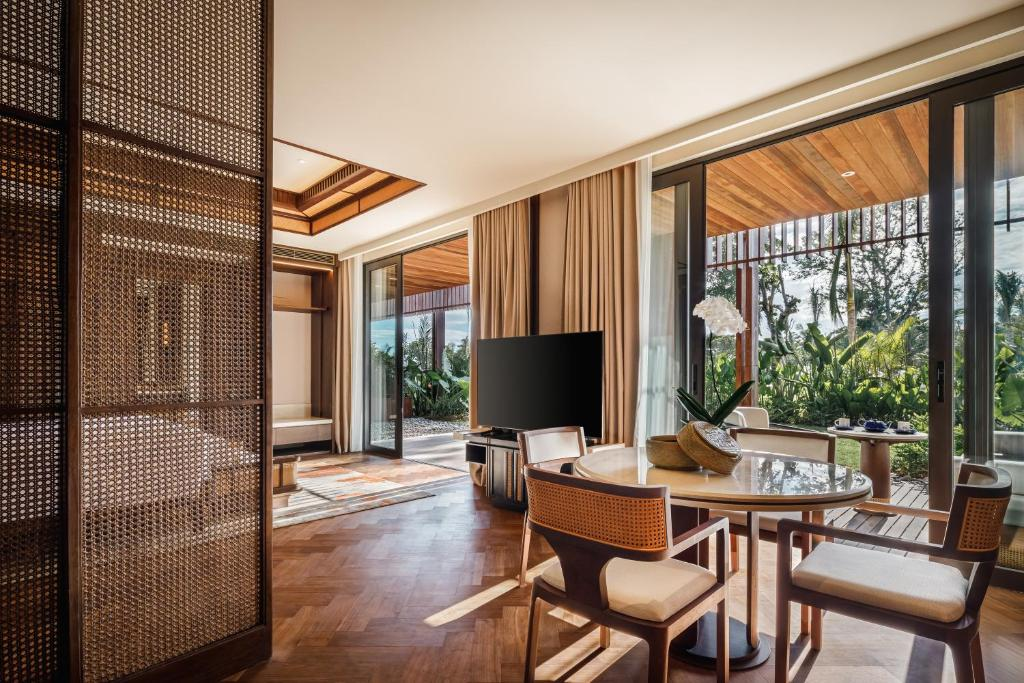
The resort embodies the “Sage” archetype, creating a space for inward reflection and personal realignment. Our suite collection is designed to be your private haven, utilizing natural materials and earthy tones to soothe the senses.
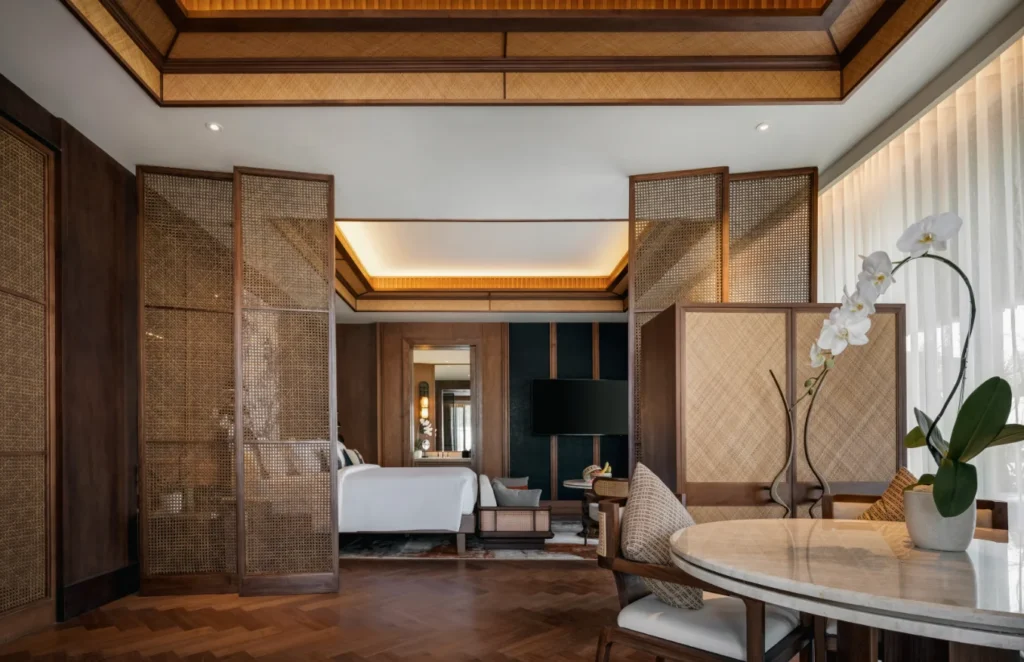
For those seeking the ultimate in residential luxury, our Meru Suite offers 160 square meters of expansive comfort. It features a separate living room and a private terrace overlooking the tranquil tropical garden and the pristine Sanur beach, Bali. This premium beachfront suite offers an exceptional living experience and one of the best views at our Sanur resort, making it the perfect place to decompress after a day of exploring the city.
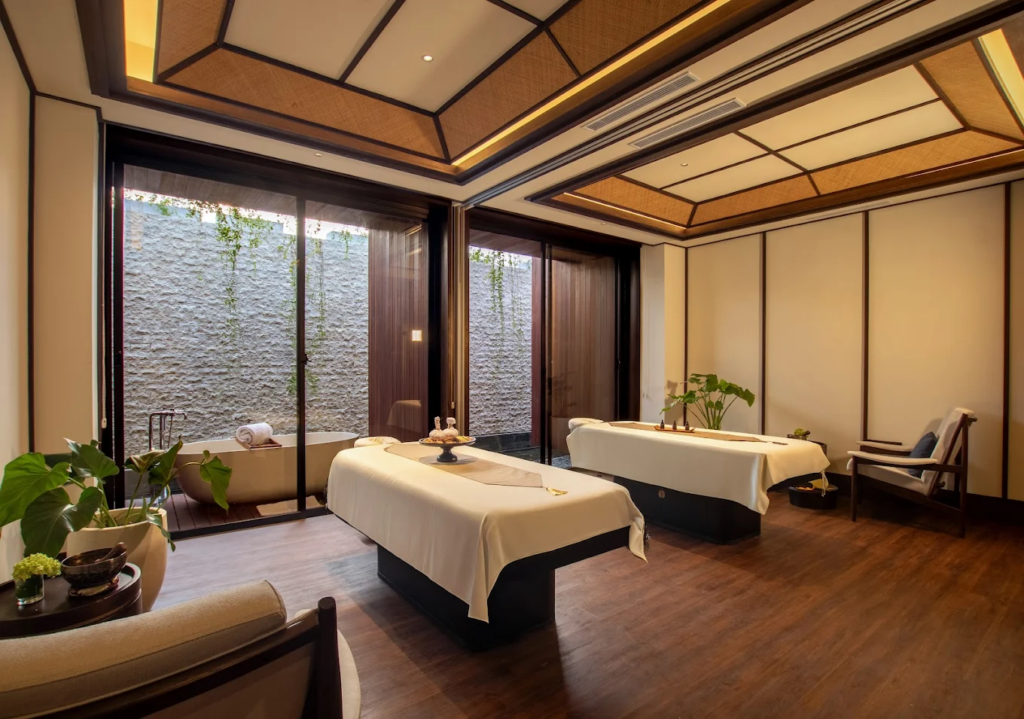
To fully recover from the physical demands of your journey, we invite you to experience the Taru Pramana Spa & Wellness. Our treatments are inspired by the ancient Lontar Usada manuscripts and utilize the life force found in native plants to restore balance to your body.

You might choose the Jala-Guna Herbal Poultice Massage, which blends warm, herbal-infused oils with a heated sand-and-herb poultice. This therapeutic technique is expertly designed to soothe tension, enhance circulation, and restore your energy balance after a busy day.
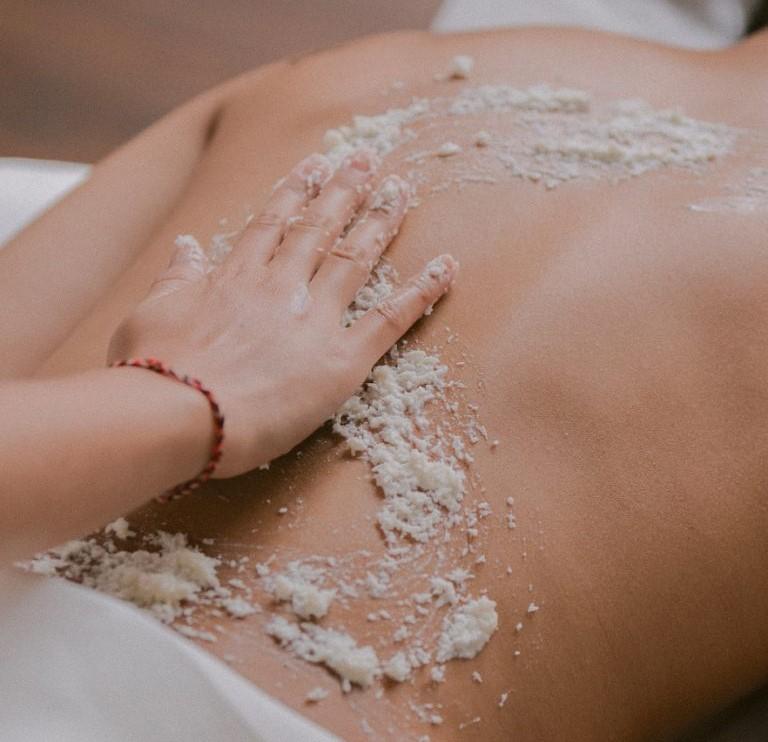
For a more intensive renewal ritual, consider the Meru-Jaga session. This 120-minute experience is an exclusively crafted, signature alchemy that begins with a revitalizing coconut-salt scrub. Your therapist then uses a bespoke oil blend infused with the harmonic vibrations of a singing bowl to lead you into a state of deep relaxation. The ritual concludes with a traditional Jamu face care ritual, leaving your skin nourished and radiant. It is a deeply restorative experience that ensures your evening is just as transformative as your day at the monument.
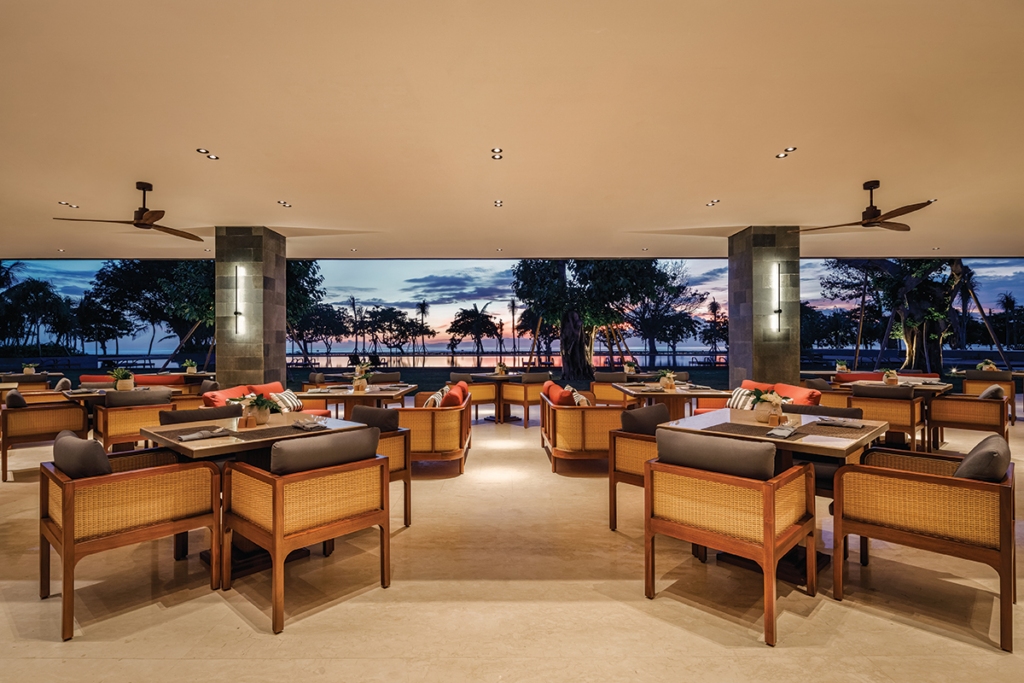
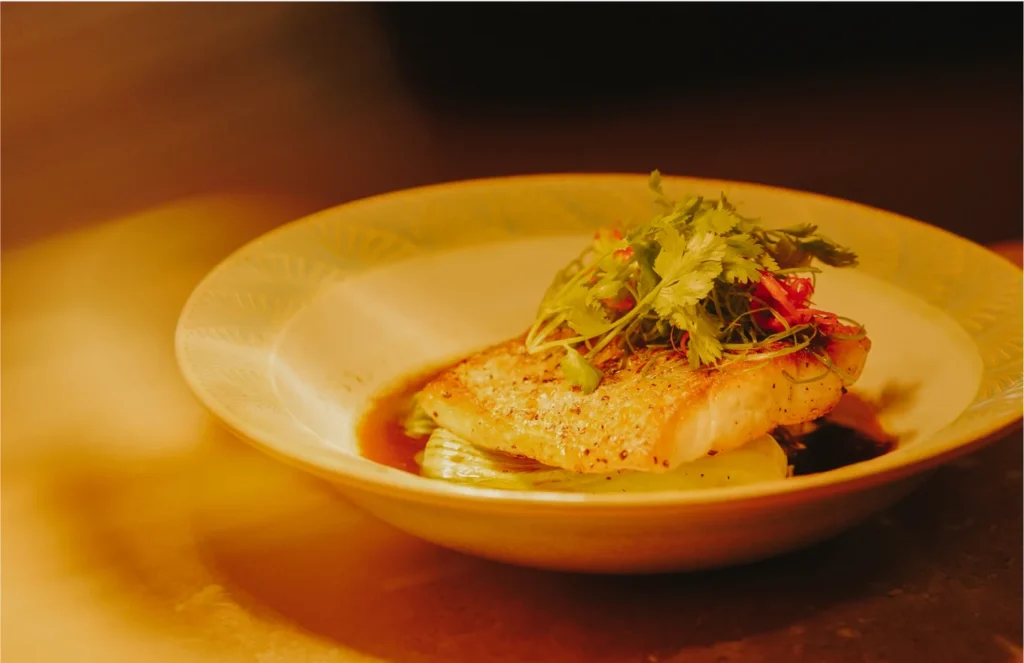
As night falls, you can enjoy a nourishing dinner at Arunika Restaurant, where the culinary team prepares health-forward dishes using fresh, locally sourced ingredients. You can pair your meal with a traditional Jamu wellness drink, formulated to boost your immunity and vitality.
By choosing The Meru Sanur as your base, you ensure that your cultural journey through Denpasar is supported by an environment of absolute exclusivity and calm, allowing you to return to your daily life feeling completely revitalized.
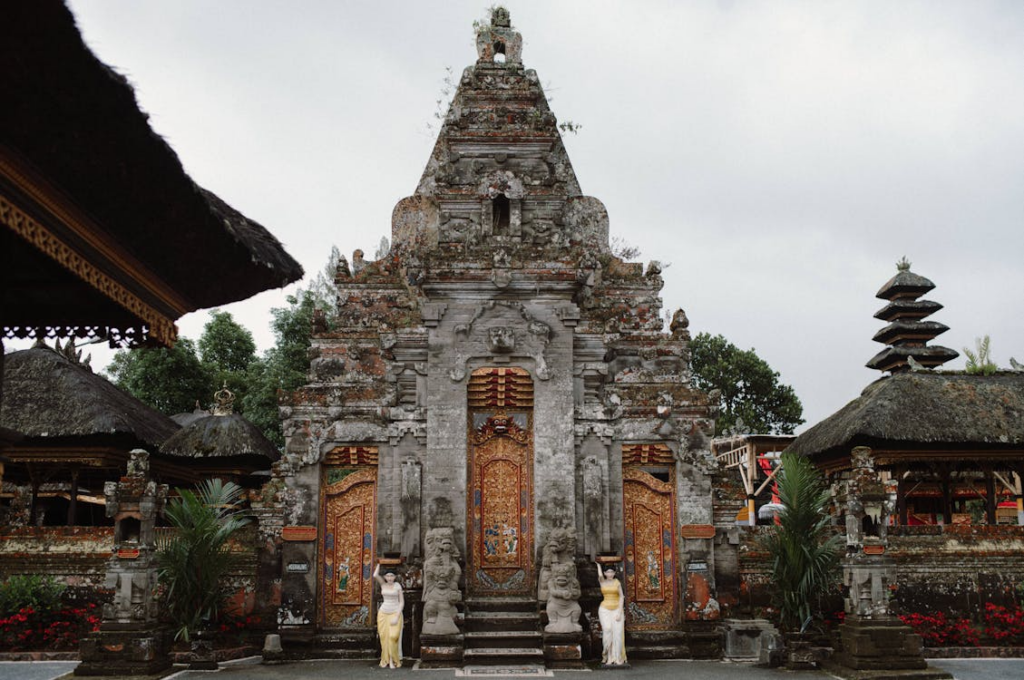
To make the most of your cultural journey, we highly recommend booking the Denpasar City Tour. This curated, half-day excursion explores the island’s capital city from an expert’s perspective. Your journey begins at 8.00 AM with a visit to the Kumbasari Traditional Market, where over 1,000 stalls are packed with the vibrant essentials of Balinese daily life. Next, you will visit the Museum of Bali, established in 1932, which features a magnificent collection of woodcarvings, masks, and hand-woven textiles.
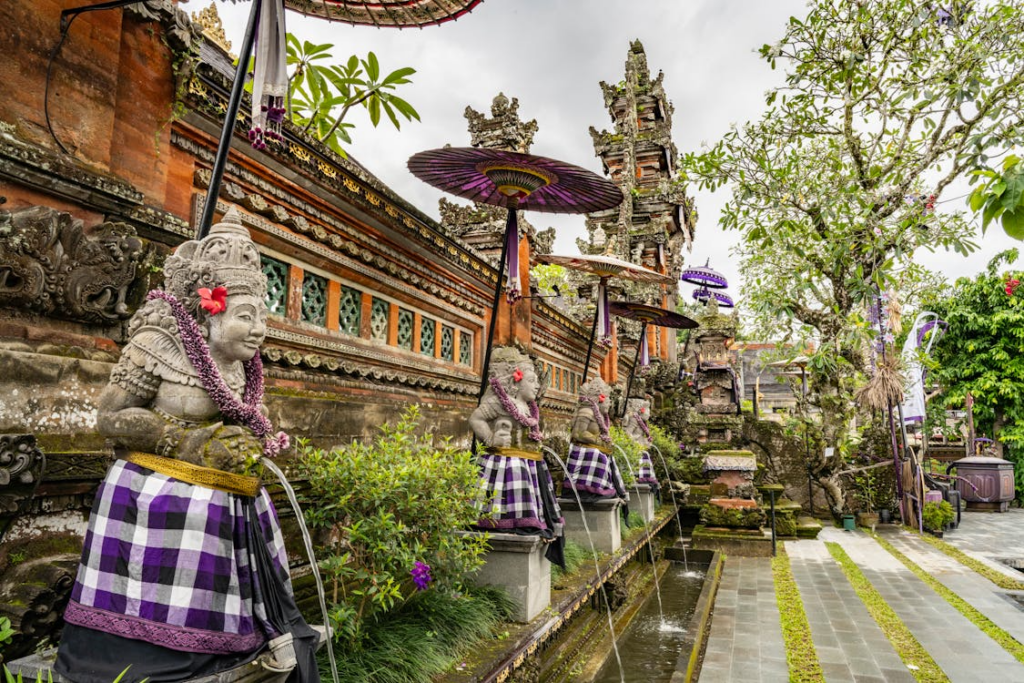
The tour then moves to the Bajra Sandhi Monument, the Jagatnatha Temple, and the Werdhi Budaya Art Center. During this circuit, you will learn about the location of the annual Bali Arts Festival and the deep historical significance of each site. The day concludes with the historic Niti Mandala Monument, a profound symbol of Balinese liberation from colonial rule.
This tour is designed to provide a seamless transition from the high-energy capital to the quiet exclusivity of your resort, ensuring that your exploration of Bali is both comprehensive and restorative.
Conclusion
Sanur ancient town is not only a tourist destination but also a journey to discover unique cultural and historical values. The Bajra Sandhi Monument stands as the pinnacle of this experience, offering a rare opportunity to witness the strength and beauty of the Balinese people’s history.
We hope this 2026 guide provides you with the essential information to navigate this landmark with ease and respect. By combining the intellectual discovery of the monument with the restorative luxury of The Meru Sanur, you ensure that your Bali holiday is a balanced journey of the mind, body, and spirit.
FAQs
What does the Bajra Sandhi Monument represent?
The monument represents the struggles and resilience of the Balinese people throughout history, particularly their resistance against Dutch colonial rule. The design also incorporates the date of Indonesian independence (17-8-1945) into its physical dimensions and architecture.
How many steps are there to the top viewing platform?
There are approximately 150 steps leading up the central spiral staircase to the top level. The climb is well-maintained but can be narrow, so we recommend taking your time and utilizing the handrails for a safe ascent to the panoramic viewpoint.
Is it suitable for a family visit with children?
Yes, the monument is an excellent destination for families. If you are wondering what to do in Sanur, Bali, with kids, adding a short educational trip here is a great idea. Children are often fascinated by the 3D dioramas on the second floor, which make history feel more tangible. The surrounding Niti Mandala park also provides plenty of open space for children to run and play in a safe environment.
What is the best time of day to visit for photography?
The best light for outdoor photography is early morning (8.00 AM to 10.00 AM) or the late afternoon golden hour (after 4.30 PM). This timing avoids the harsh midday shadows and highlights the textures of the volcanic stone carvings.
How far is the monument from Sanur?
The Bajra Sandhi Monument is located approximately 6 to 8 kilometers from Sanur’s central beachfront area. Depending on traffic, the journey by car typically takes 15 to 25 minutes, making it one of the most accessible major landmarks for guests staying in Sanur.