Bali is an island of diverse textures, where every corner of the landscape offers a different immersion into local life. While many travellers spend their time solely on the beach, venturing into the province’s heritage areas reveals its authentic, agricultural soul. If you want to experience the true cultural heartbeat of the island in 2026, visiting the Kertalangu Cultural Village is an absolute necessity.
A Half-Day Stop at Kertalangu Cultural Village
- After Your Visit: Following a day of immersive local exploration in Denpasar and the village, returning to a restorative environment matters.
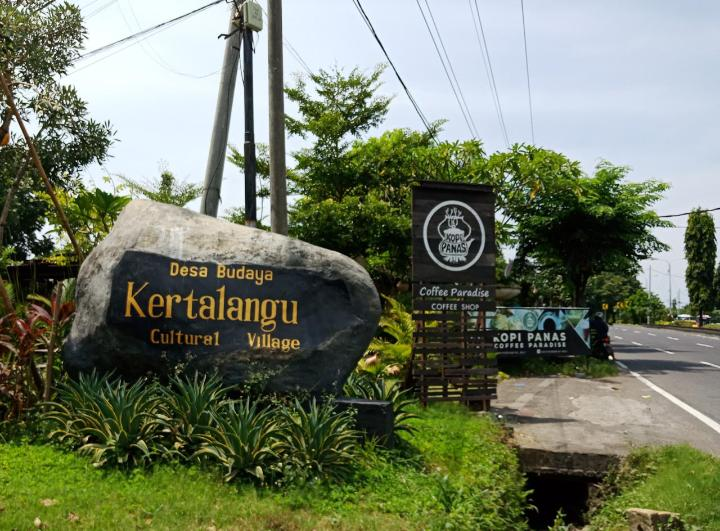
- Location: The Kertalangu Cultural Village sits on the eastern border of Denpasar, directly adjacent to the main bypass road.
- Atmosphere: One of the village’s most appealing aspects is its open, highly welcoming atmosphere.
- Access: Its position right on the bypass road makes it easy to fold into a day that also includes other Denpasar stops.
- Good to Know: The village suits travelers looking for a lower-key cultural stop rather than a major, ticketed attraction.
Practical Information for Visitors in 2026
Planning a cultural day trip requires a clear understanding of logistics to ensure your journey is comfortable and unhurried. Below is the essential practical information for organising your visit to this green oasis.
Location and Directions to the Village
The Kertalangu Cultural Village is located on the eastern border of Denpasar, directly adjacent to the main bypass road, Jalan Bypass Ngurah Rai. Its strategic location makes it incredibly accessible for travellers staying on the east coast, particularly in the quiet neighbourhood of Sanur, which sits just five kilometres to the south. The drive from Sanur takes approximately ten to fifteen minutes, depending on the daily traffic patterns.
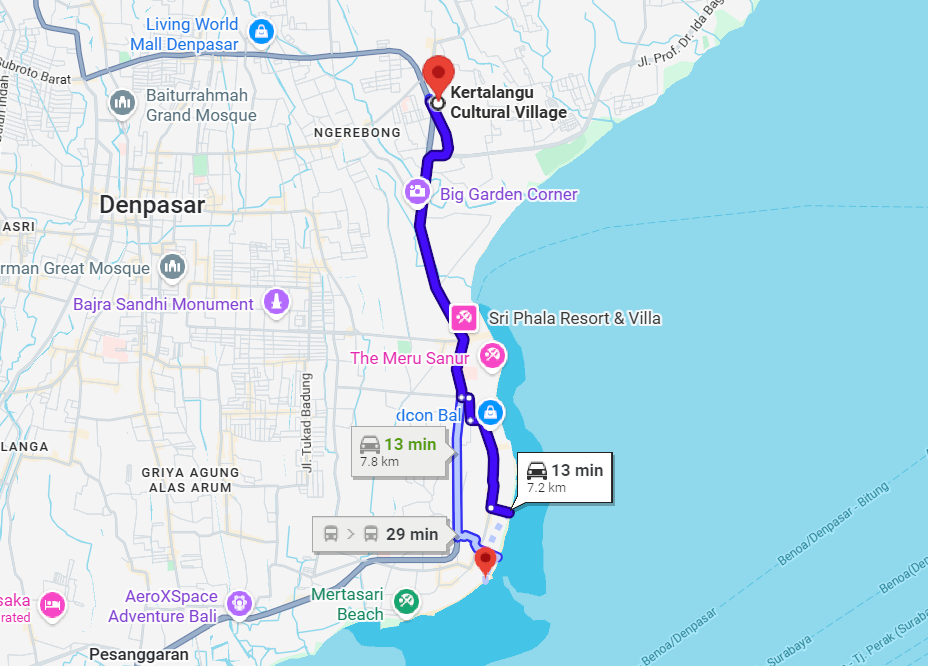
For visitors arriving from the international airport in southern Bali, the journey is approximately twenty-five to thirty-five minutes via the scenic Bali Mandara Toll Road and the newly expanded bypass. Unlike the narrow, congested streets of the West Coast, the roads leading to the village are built for volume, making it easy to reach via private car or scooter taxi. If you have arranged a private driver for the day, there is an expansive parking area at the main entrance, ensuring a smooth and hassle-free arrival.
Its position on the bypass road makes access easier than it sounds
Sitting directly adjacent to Denpasar’s main bypass road, on the eastern border of the city, the Kertalangu Cultural Village is more accessible than its “cultural village” name might suggest — no long detour off the main route required.
That practical accessibility is worth knowing when slotting the visit into a day that also includes other Denpasar or east-coast stops.
Current Entrance Fees and Operating Hours
One of the most appealing aspects of the Kertalangu Cultural Village is its open, highly welcoming atmosphere. Entering the village grounds to walk or cycle through the fields is entirely complimentary for all visitors, representing a rare and unpretentious community space in Bali. While there is no formal admission cost to enter the area, certain specific activities, workshops, and facilities within the village require individual fees.
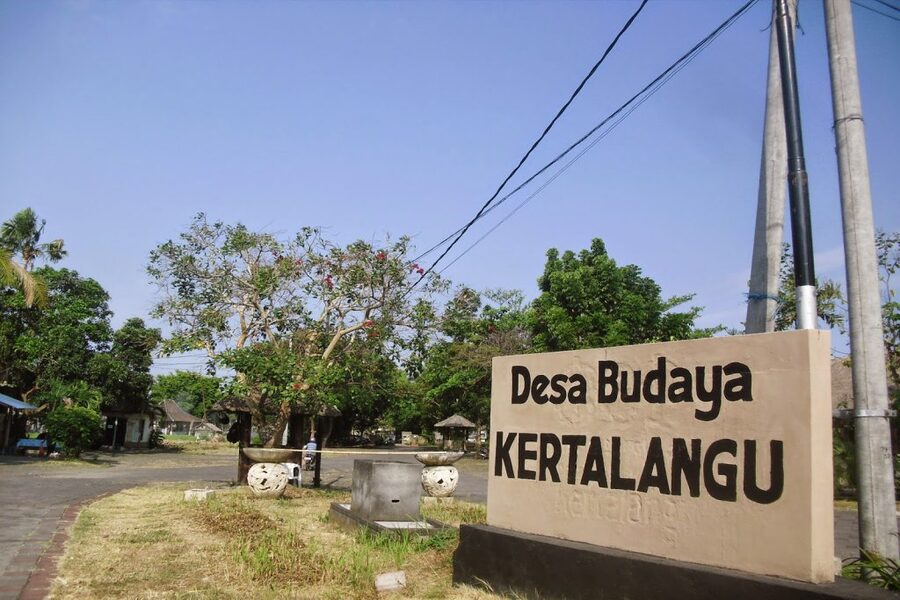
The village is open daily to the public from 8.00 AM to 6.00 PM, allowing you to align your visit with the natural cooling of the tropical day. Individual workshops and restaurants typically operate from 9.00 AM to 5.00 PM, and it is highly recommended to bring cash in small denominations of Indonesian Rupiah, as most local vendors do not accept digital payments.
The typical cost for a traditional craft workshop or a guided farming experience ranges from approximately $3 USD to $10 USD (IDR 50,000 to IDR 150,000), representing exceptional value for an authentic cultural encounter.
*Prices are for reference only and may change without notice. Please contact us directly for current rates.
The welcoming atmosphere starts at the gate
The village’s open, highly welcoming atmosphere is one of its most appealing qualities from the moment of entry, setting it apart from more formal or restricted cultural sites elsewhere on the island.
That openness makes it a comfortable stop for travelers who might otherwise hesitate at more tightly managed cultural attractions.
The Best Time for a Peaceful Visit
To experience the Kertalangu Cultural Village at its most tranquil, timing is everything. We strongly recommend arriving early in the morning, between 8.00 AM and 10.00 AM. During these hours, the morning sun has not yet reached its peak, the air is clean, and local farmers are actively tending their fields. It is a peaceful, highly meditative time when you can walk the pathways with very few other visitors.
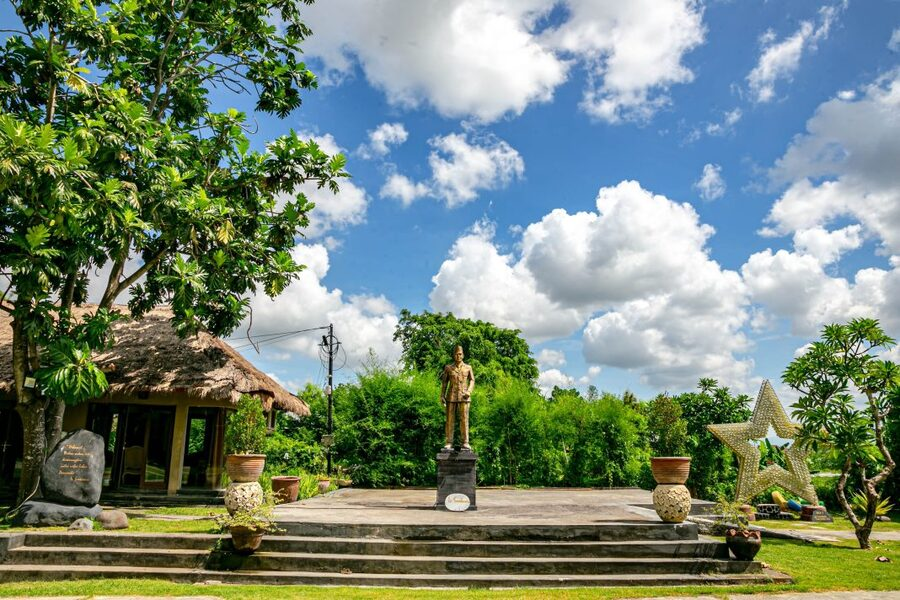
Alternatively, the late afternoon after 4.00 PM offers another excellent window for a peaceful visit. As the temperature drops, the fields are bathed in a soft, golden light that is incredibly flattering for photography. Local families often gather during this time, providing a gentle, heartwarming glimpse into the community life of the area. Visiting during these cooler periods of the day ensures that your physical exploration is as comfortable as it is inspiring.
*Prices are for reference only and may change without notice. Please contact us directly for current rates.
What to Expect at Kertalangu Cultural Village
This eighty-hectare conservation area is a living monument to Balinese heritage, designed to preserve the agricultural way of life amid the rapid growth of the capital city. Here is what you can expect to discover when you enter the peaceful grounds of the Kertalangu Cultural Village.
The Iconic World Peace Gong Monument
The absolute centrepiece of the Kertalangu Cultural Village is the majestic World Peace Gong Monument (Gong Perdamaian Dunia). This monumental bronze and gold gong is one of only a few in the world, built in 2002 as a profound response to global conflict and a call for universal harmony. The monument is set within a beautifully landscaped park, surrounded by the flags of 102 nations and the symbols of the world’s ten major religions.
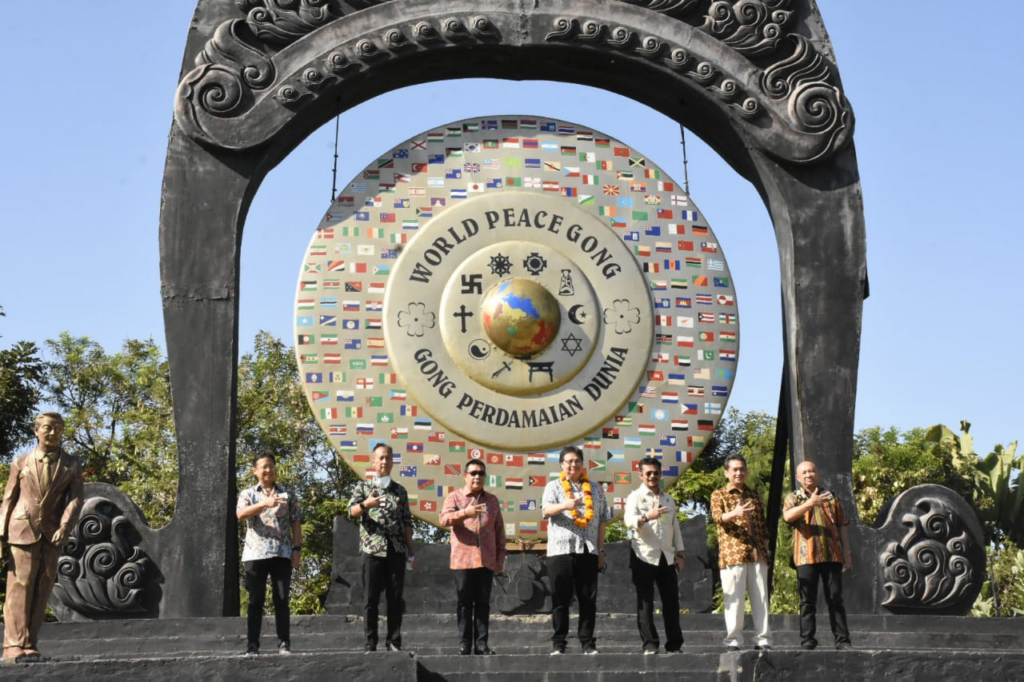
The gong itself is intricately carved with the national flags of participating countries, arranged in concentric circles around a central map of the globe. Walking through this quiet park, reading the names of different countries, and reflecting on the message of unity is a deeply moving experience.
The monument serves as a silent guardian over the village’s vibrant atmosphere, reminding visitors of the Balinese commitment to Tri Hita Karana, which emphasises peace between humans, nature, and the divine.
A Hub for Educational Tourism and Heritage
Beyond its peace monument, the Kertalangu Cultural Village operates as a vital centre for educational tourism and agricultural preservation. The village encompasses vast stretches of active organic rice paddies, traditional fish ponds, and fruit plantations.
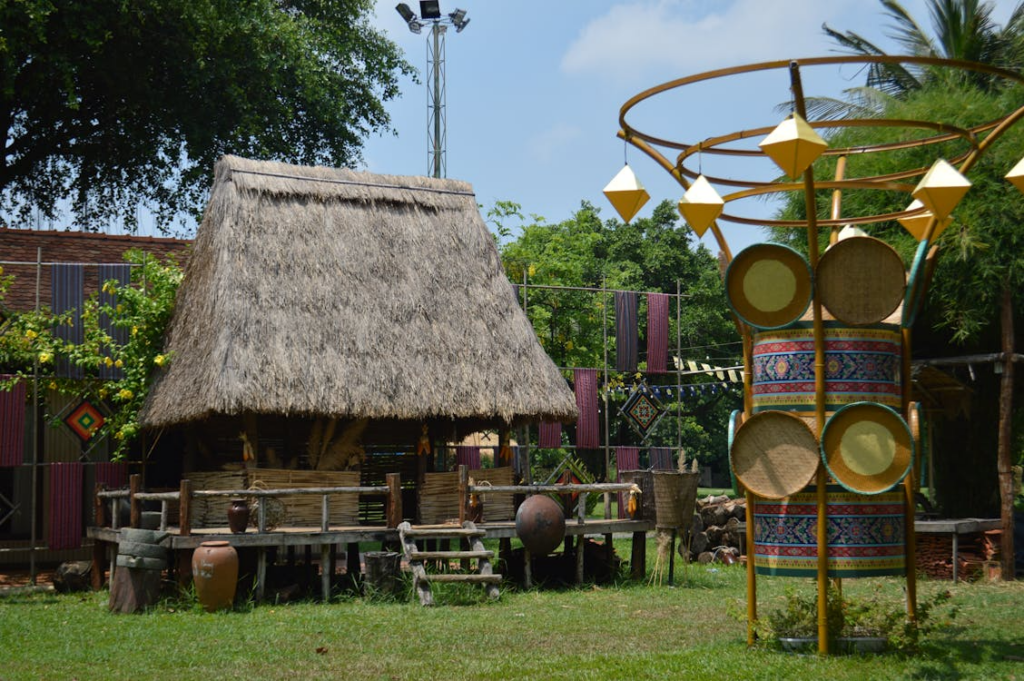
It is a rare place where you can witness the ancient Subak irrigation system in action, a complex water management system recognised globally for its ecological efficiency and spiritual significance.
The heritage of Balinese community life, known as gotong royong (cooperation), is palpable here. The residents actively manage the village, ensuring that traditional farming techniques are preserved and shared with the next generation. For travellers seeking cultural depth, the village offers a rare opportunity to observe these daily agricultural rituals up close, providing an educational experience that goes far beyond the surface level of conventional tourism.
Authentic Cultural Activities to Experience
The Kertalangu Cultural Village is designed to be highly interactive, offering visitors the opportunity to participate directly in Bali’s traditional arts and lifestyles. Here are the top-rated activities to include in your cultural itinerary:
Jogging and Cycling Through the Rice Terraces
One of the most popular ways to experience the natural beauty of the Kertalangu Cultural Village is by exploring the paved pathway that winds through the rice fields. Stretching for nearly two kilometres, this flat and safe path is entirely free of motorised vehicle traffic. It is an exceptional venue for a morning jog or a leisurely bicycle ride, offering you the chance to immerse yourself in the emerald-green vistas of the agricultural heartland.
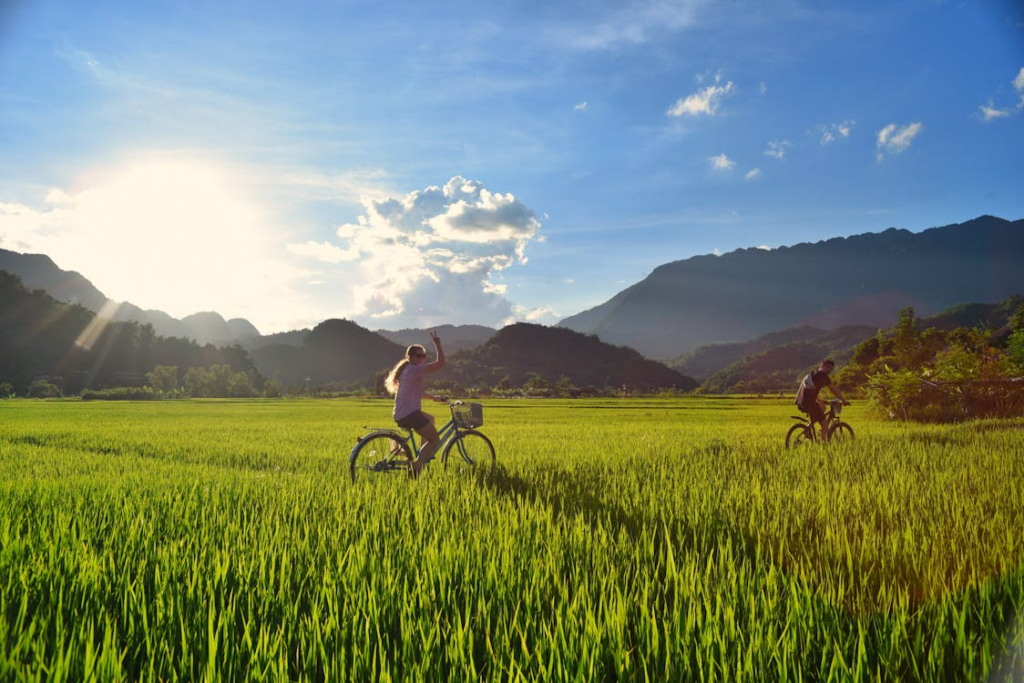
As you move along the path, you are surrounded by the sights and sounds of traditional farming. You will see local farmers tending young rice shoots, ducks paddling in flooded fields to naturally control pests, and white herons nesting in the tall palms. On a clear morning, the distant volcanic peaks of northern Bali provide a dramatic, majestic backdrop to your ride, making it one of the most refreshing and grounding activities on the island.
Traditional Balinese Dance and Music Lessons
For those who wish to engage with the island’s performing arts, the village offers daily lessons in traditional Balinese dance and music. These workshops are led by experienced local instructors who are passionate about preserving their heritage. Students can learn the intricate eye movements, expressive hand gestures, and precise footwork that define classical Balinese dances, such as Legong and Barong.
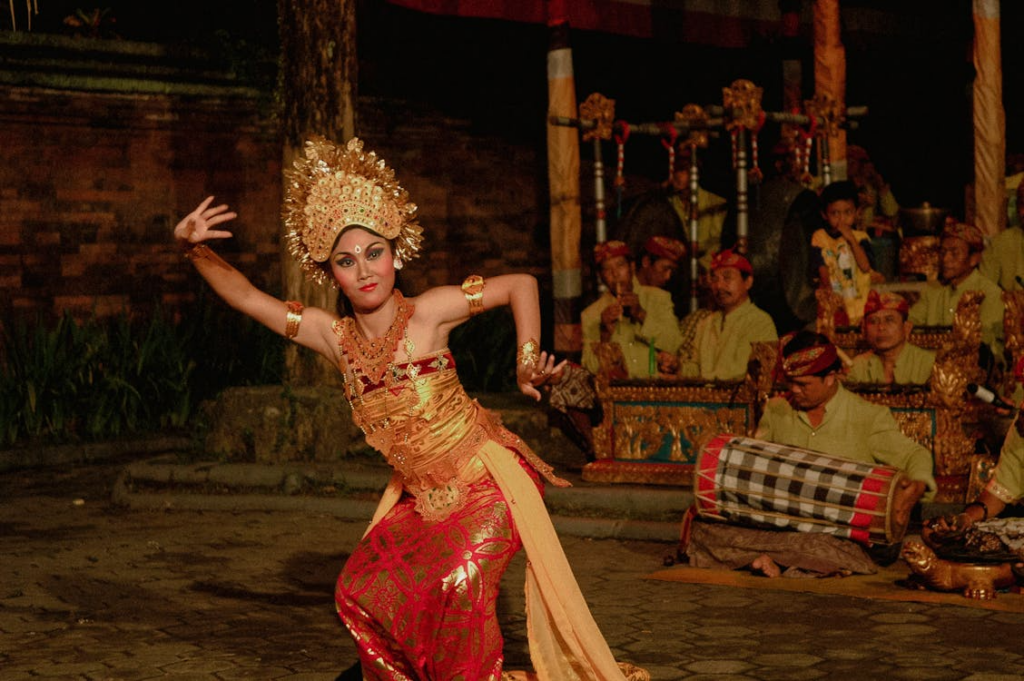
Alternatively, you can try your hand at playing the Gamelan, the traditional bronze percussion orchestra of Bali. Learning the complex, interlocking rhythms of the gamelan requires focus, teamwork, and a sense of play, making it a highly rewarding activity for all ages. These lessons are held in open-air wooden pavilions (bale), surrounded by the tranquil sounds of nature, creating an atmospheric and culturally rich learning environment.
Hands-On Batik Painting and Craft Workshops
The Kertalangu Cultural Village is also a major centre for traditional Balinese craftsmanship. Visitors can participate in hands-on workshops to learn how to create their own authentic souvenirs under the guidance of local masters. The most popular workshop is batik painting, where you learn to apply hot wax to fabric using a traditional canting tool before dyeing the cloth in vibrant colours.
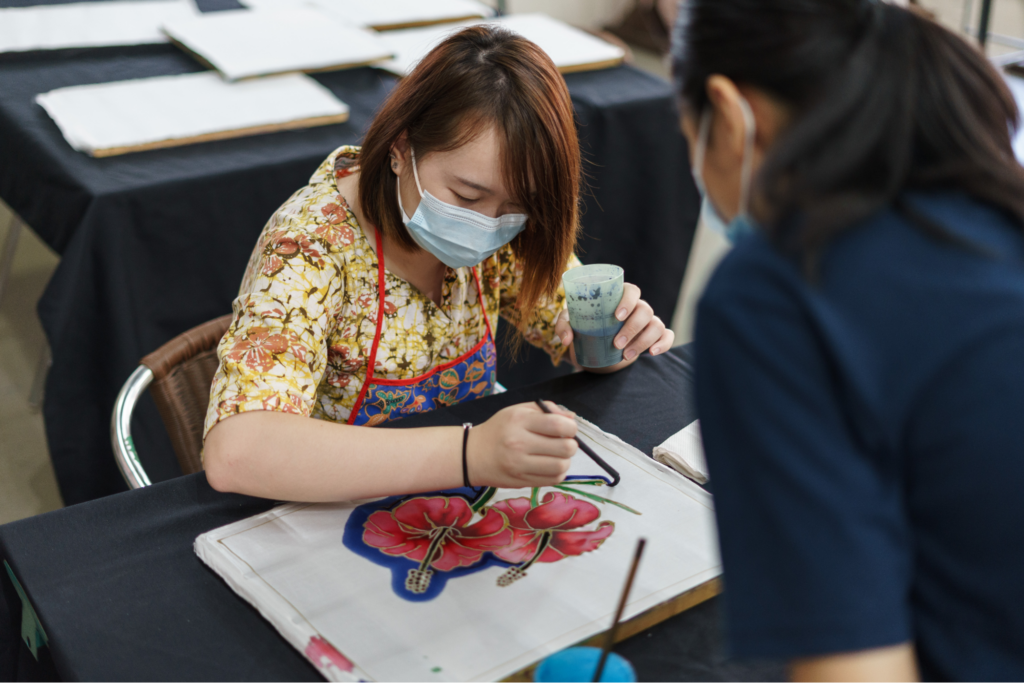
Other craft workshops include traditional pottery making, wood carving, and the weaving of daily offerings from palm leaves, known as Canang Sari. These activities are designed to be slow and meditative, encouraging a focus on the process rather than just the final product. It is a highly satisfying experience that lets you take a tangible piece of Balinese artistry and wisdom home.
Tasting Local Culinary Delights and Herbal Drinks
No cultural guide to the Kertalangu Cultural Village is complete without exploring its rich culinary offerings. The village is home to several traditional warungs (local restaurants) and cafes that serve authentic Balinese dishes made from ingredients grown directly on the property. It is the perfect place to enjoy a healthy, farm-to-table lunch after a morning of activities.
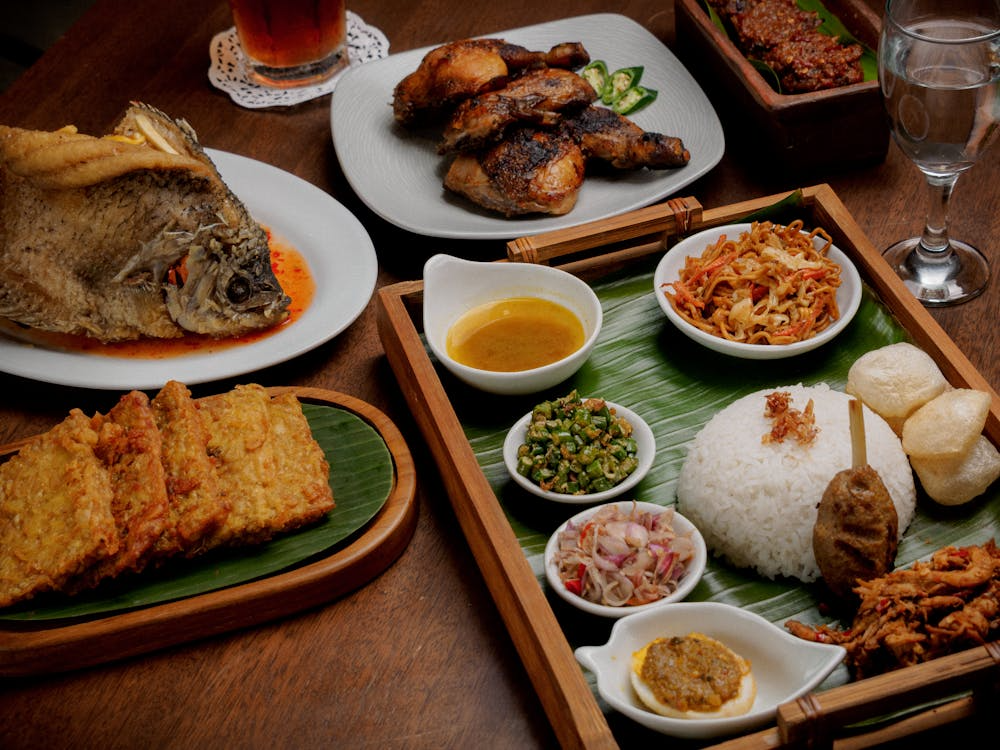
You can sample regional specialties such as Nasi Campur (mixed rice), Sate Lilit (minced fish satay), and fresh plecing kangkung (spicy water spinach). To accompany your meal, the local juice stalls offer fresh tropical fruit juices and traditional Jamu wellness beverages. Drinking a cold glass of Kunyit Asam (turmeric and tamarind) in a shaded wooden pavilion overlooking the rice fields is a highly restorative culinary experience that nourishes both the body and the soul.
While the local eateries within the village grounds offer excellent Balinese comfort food, you can easily access several world-class dining destinations located just a short distance from the property:
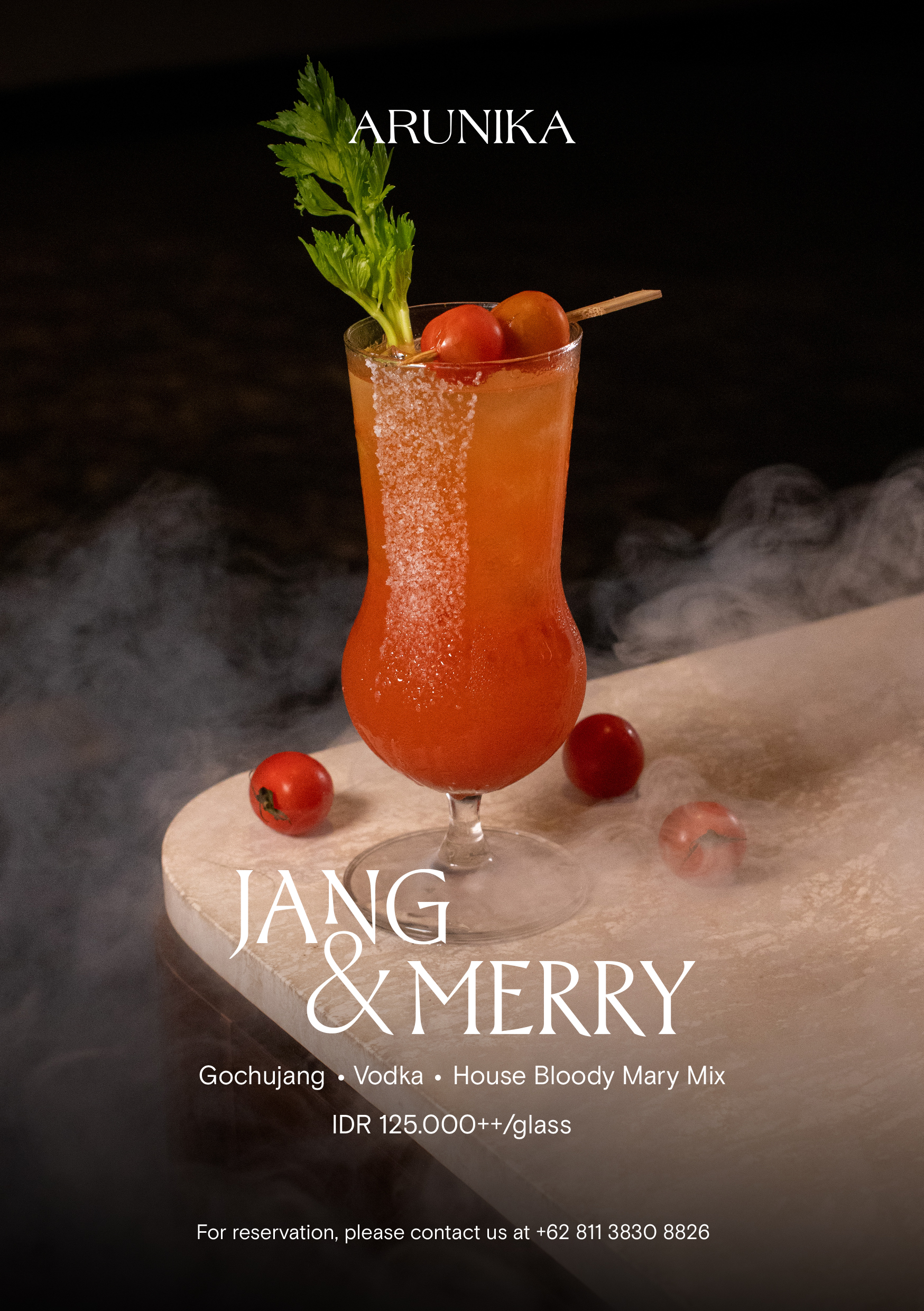
- Arunika Restaurant (Located at The Meru Sanur on Jalan Hang Tuah, offering refined, health-forward Indonesian cuisine and traditional wellness drinks in a serene garden setting).
- Roso Restaurant (Located at the adjacent Bali Beach Hotel on Jalan Hang Tuah, celebrating the diverse culinary heritage of the Indonesian archipelago from Sabang to Merauke).
- Warung Wardani (Located on Jalan Yudistira in Denpasar, renowned for its legendary and authentic Balinese mixed rice plates).
- Warung Mak Beng (Located near Sanur Port on Jalan Hang Tuah, a historic beachfront establishment famous since 1941 for its iconic fried fish and savoury fish head soup).
- Massimo Italian Restaurant (Located on Jalan Danau Tamblingan in Sanur, renowned for its Southern Italian heritage classics and artisanal gelato).
Other Cultural Sites to Combine With Your Trip
To make the most of your day of cultural exploration, we suggest combining your visit to the Kertalangu Cultural Village with several nearby historical landmarks. These sites are within a short drive of the village, allowing for a comprehensive, well-rounded itinerary.
Bajra Sandhi Monument
Located in the centre of Renon Square, just a ten-minute drive from the village, the Bajra Sandhi Monument is a spectacular tribute to the struggles and triumphs of the Balinese people.
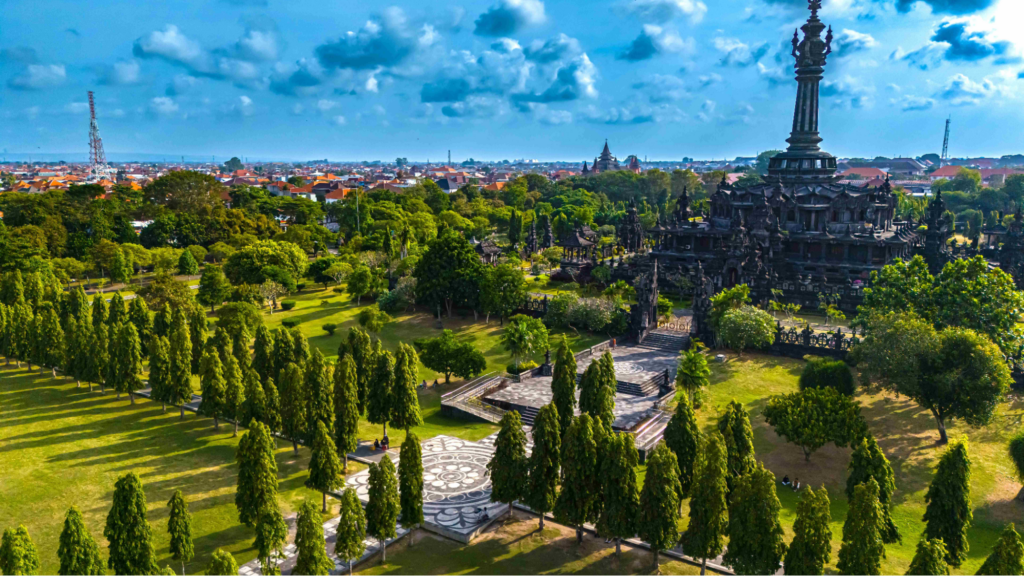
Designed in the shape of a Hindu priest’s praying bell (a bajra), this grand volcanic stone structure rises to 45 meters. Inside the base, visitors can explore thirty-three intricate 3D dioramas that chronicle the island’s history, from prehistoric times to the fight for independence from Dutch colonial rule. Climbing the spiral staircase to the top floor rewards you with a panoramic, 360-degree view of the city skyline.
Bali Provincial Public Museum
Situated in the heart of Denpasar, near the main city square, the Bali Provincial Public Museum is the oldest and most important museum on the island. The museum complex is a stunning example of traditional palace and temple architecture, divided into several distinct pavilions representing different regencies.
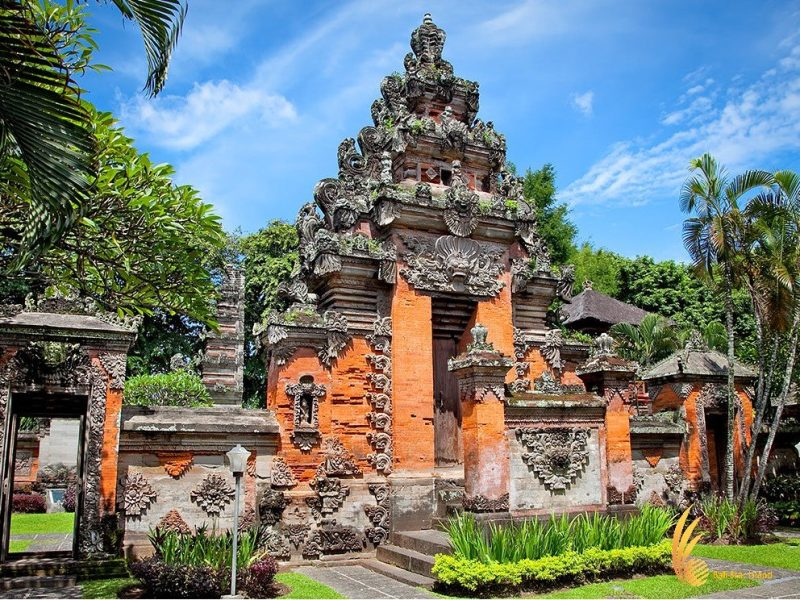
It houses an invaluable collection of over ten thousand artifacts, including ancient stone sarcophagi, traditional theatrical masks, and hand-woven textiles, providing essential historical context for your island journey.
Jagatnatha Temple
Directly adjacent to the Bali Museum is Pura Jagatnatha, the largest Hindu temple in the capital city. Dedicated to Sang Hyang Widi Wasa, the supreme god of Indonesian Hinduism, this beautiful temple is constructed primarily from white coral stone and volcanic black stone.
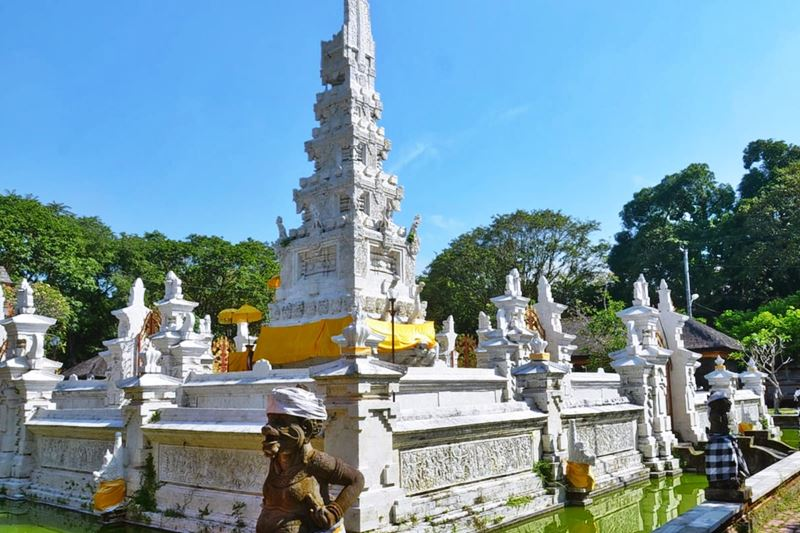
The centrepiece is the towering, throne-like Padmasana shrine, which rests on the back of a mythological cosmic turtle. Visiting during the full moon or new moon ceremonies, when thousands of locals gather in traditional white attire to pray, is a spiritually moving experience not to be missed.
A Tranquil Coastal Retreat After Your Cultural Tour
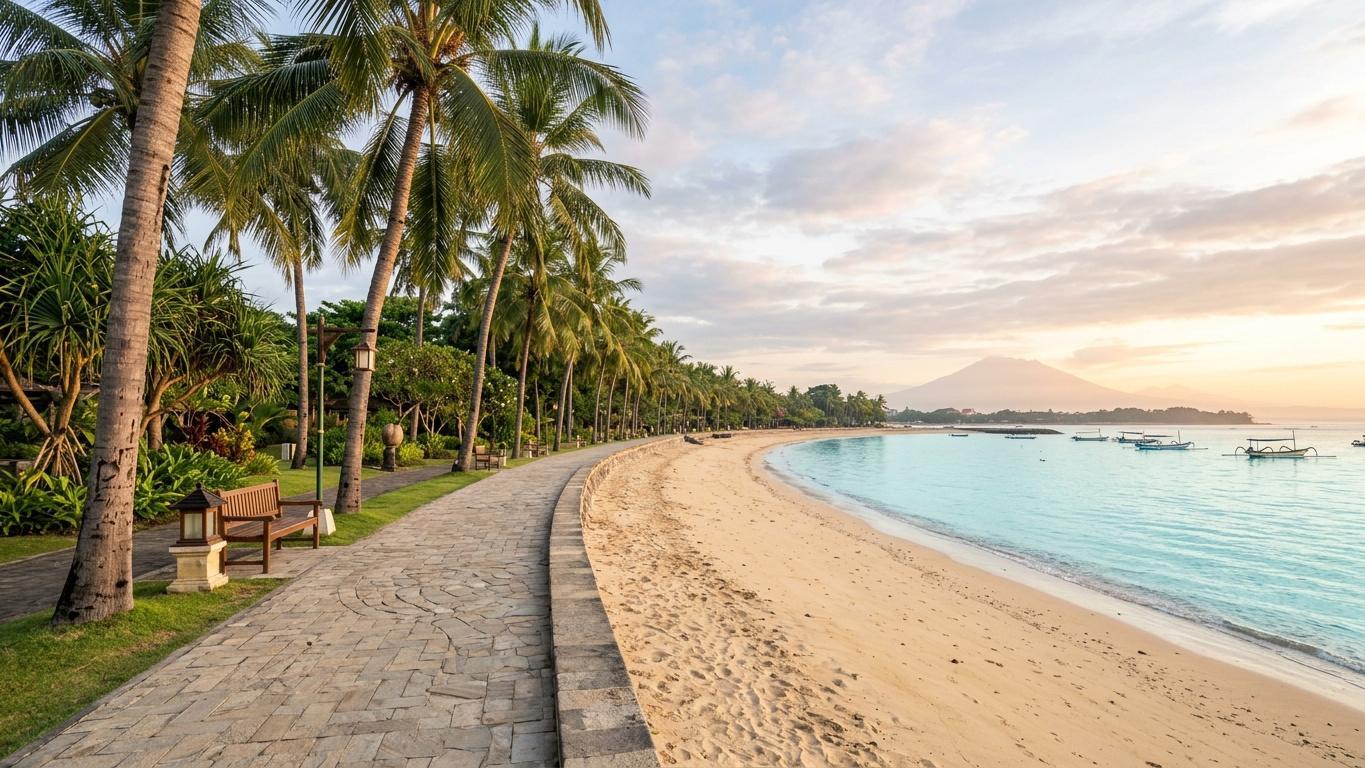
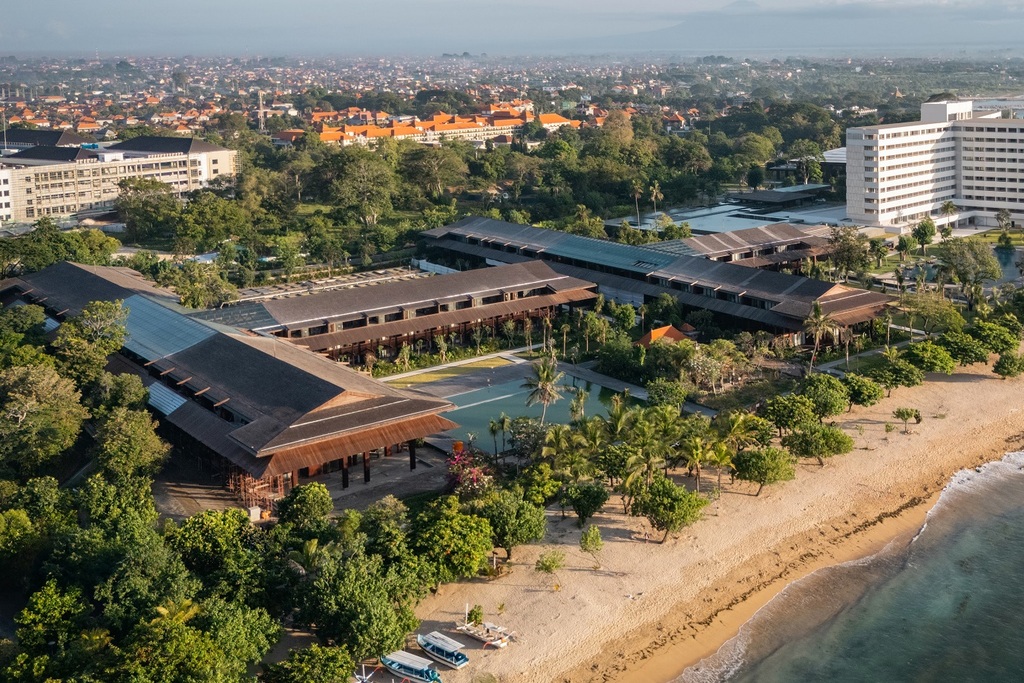
After a day of immersive local exploration in Denpasar and the Kertalangu Cultural Village, returning to a restorative environment is essential. The Meru Sanur awaits as your refined coastal sanctuary, perfectly positioned just a short, fifteen-minute drive from the village.
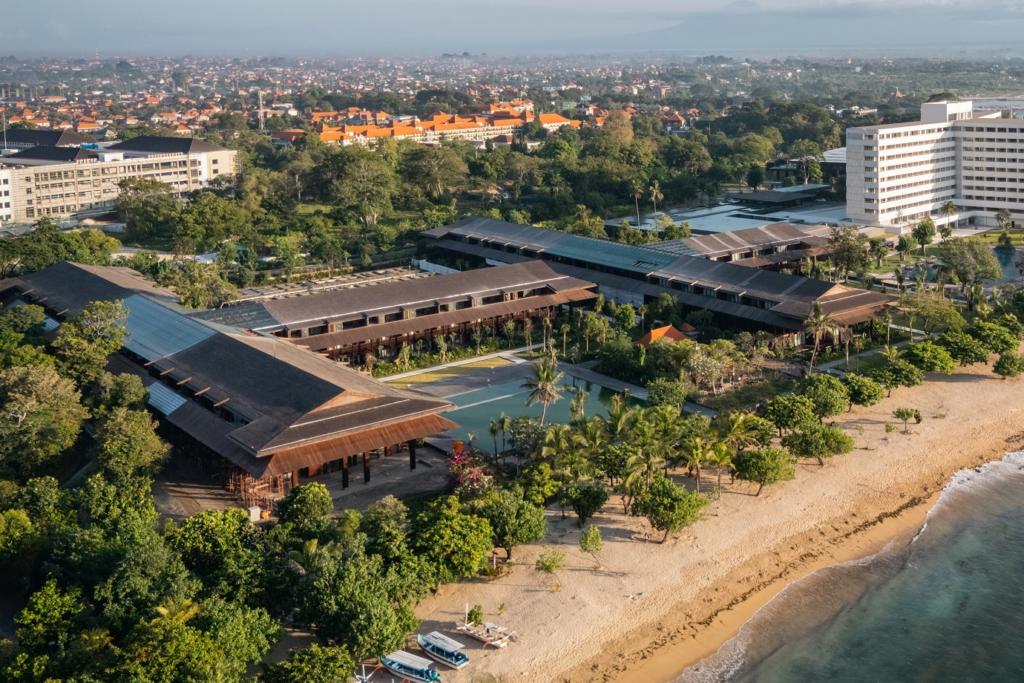
Situated within Indonesia’s first special economic zone for health and wellness, this beachfront haven offers the perfect, highly sought-after balance of convenient proximity to the capital and undisturbed, oceanfront tranquillity.
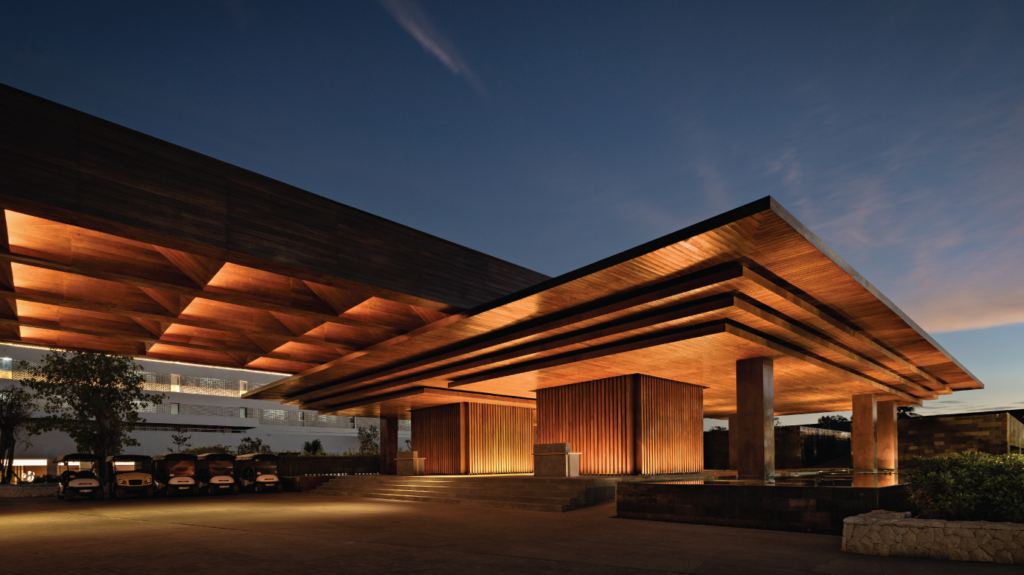
The Meru Sanur proudly embodies the “Sage” archetype, prioritising holistic wellness, deep mental relaxation, and highly intentional living. The architecture is a masterclass in tropical modernism, utilising calming earthy tones, natural indigenous wood, and expansive, breezy open spaces to soothe the human nervous system upon arrival.
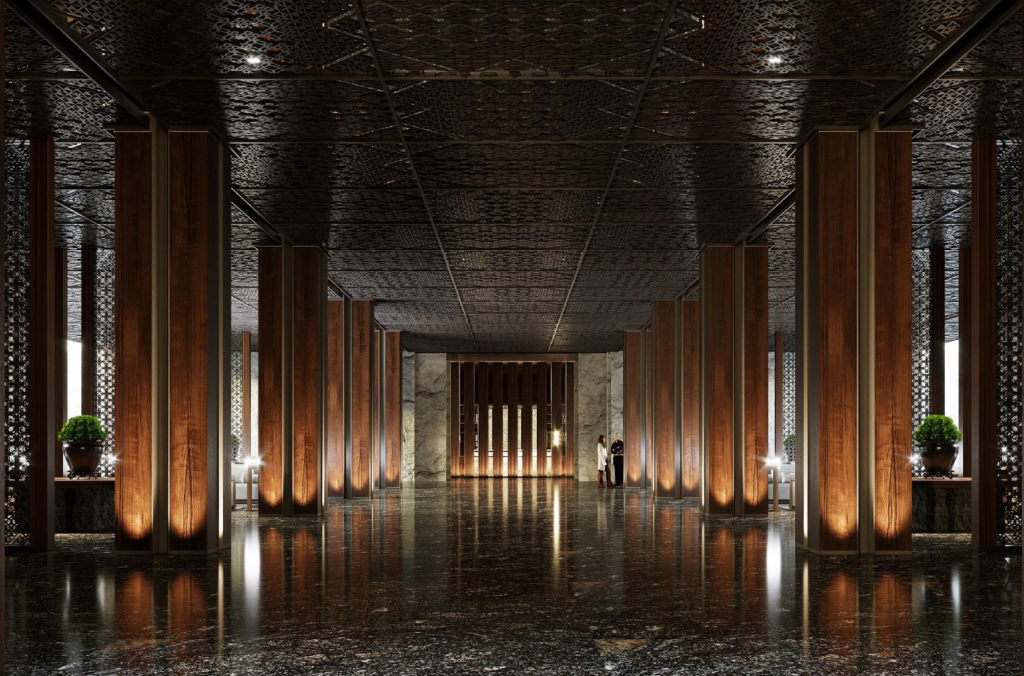
Following a long, demanding day of walking through markets and monuments, you can retreat to your elegant suite, where the guiding philosophy of Sekala Niskala (the vital balance of the seen physical world and the unseen spiritual realm) dictates a serene, deeply uncluttered environment.
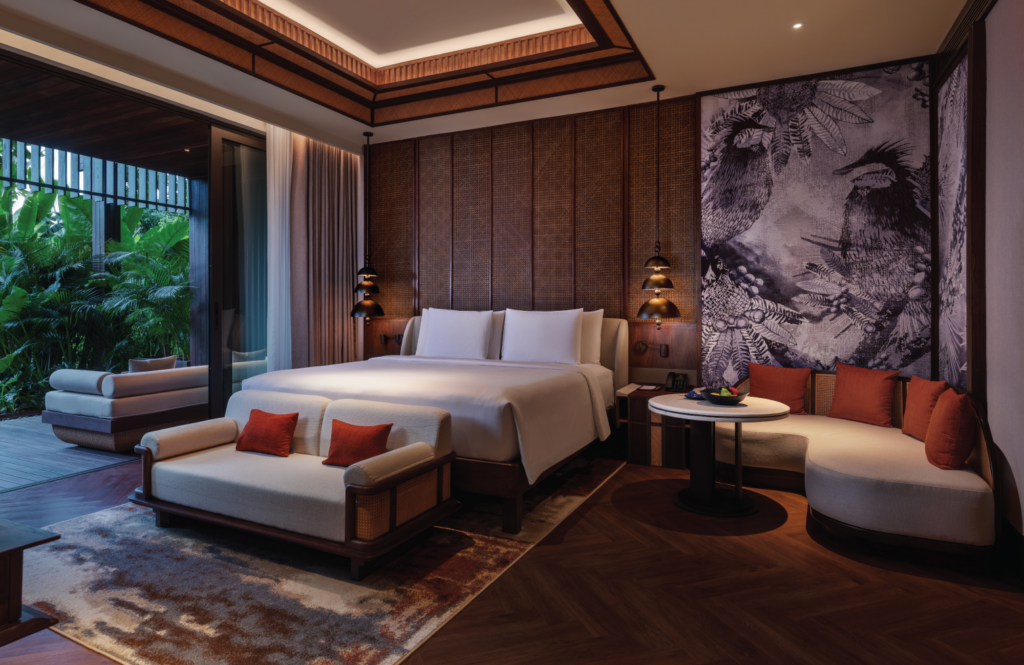
For those requiring the absolute highest standard of accommodation, our Meru Suite offers expansive comfort. It features a separate living room with a terrace overlooking the tranquil tropical garden and Sanur’s white sandy beach.
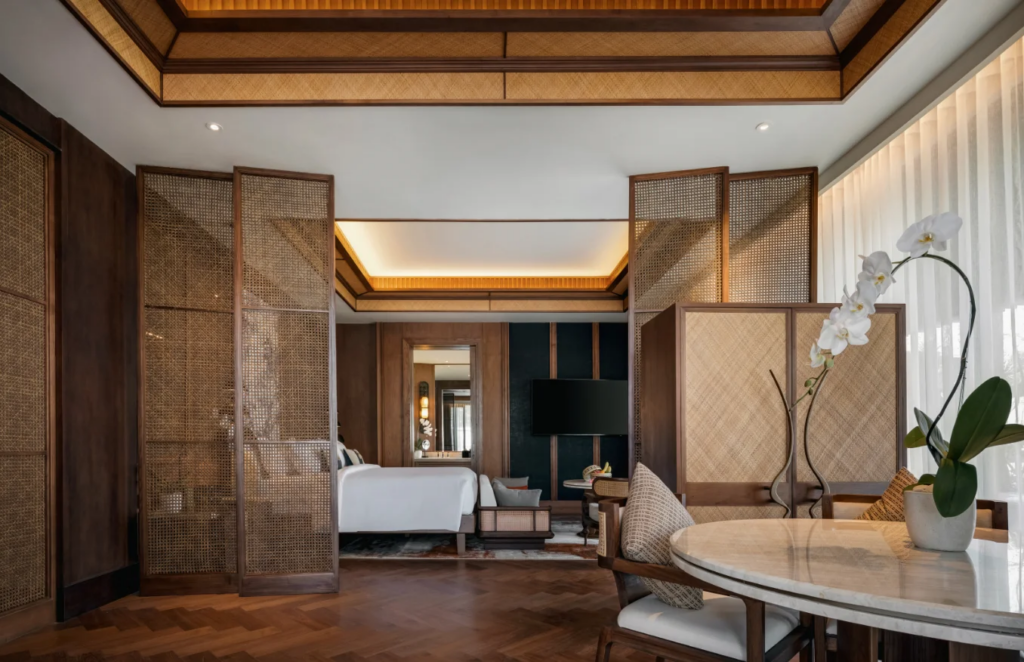
This premium beachfront suite offers an exceptional living experience and one of the best views at our Sanur resort, serving as the perfect place to decompress and reflect on the cultural discoveries of the day.
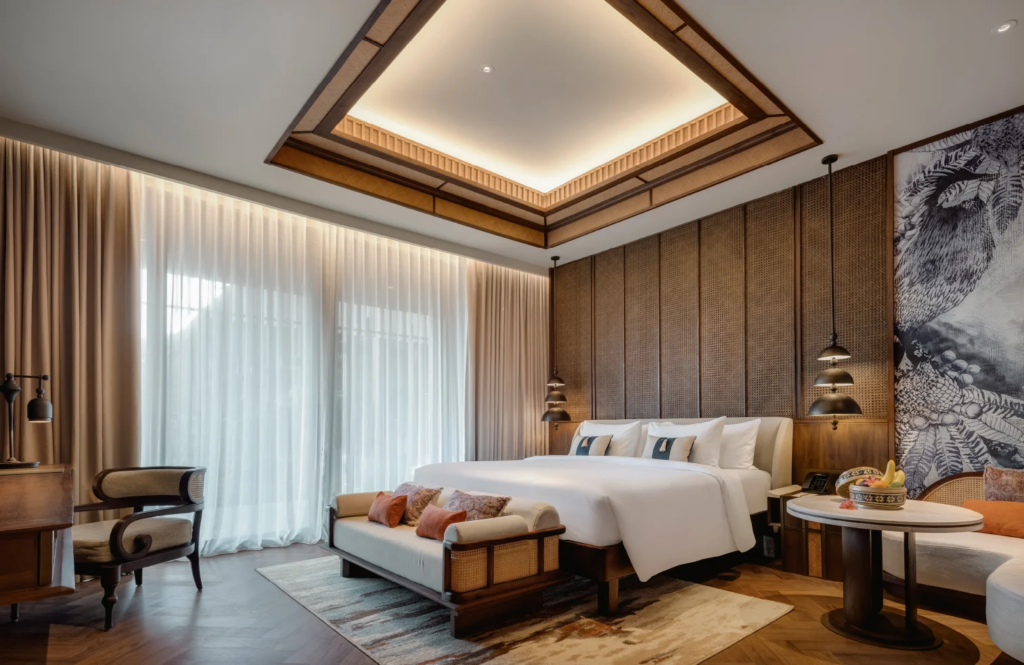
For a slightly more intimate yet equally opulent option, the Tropical Suite spans eighty-three square meters, offering a private balcony overlooking the serene gardens, designed to ground you in nature after a day in the city.
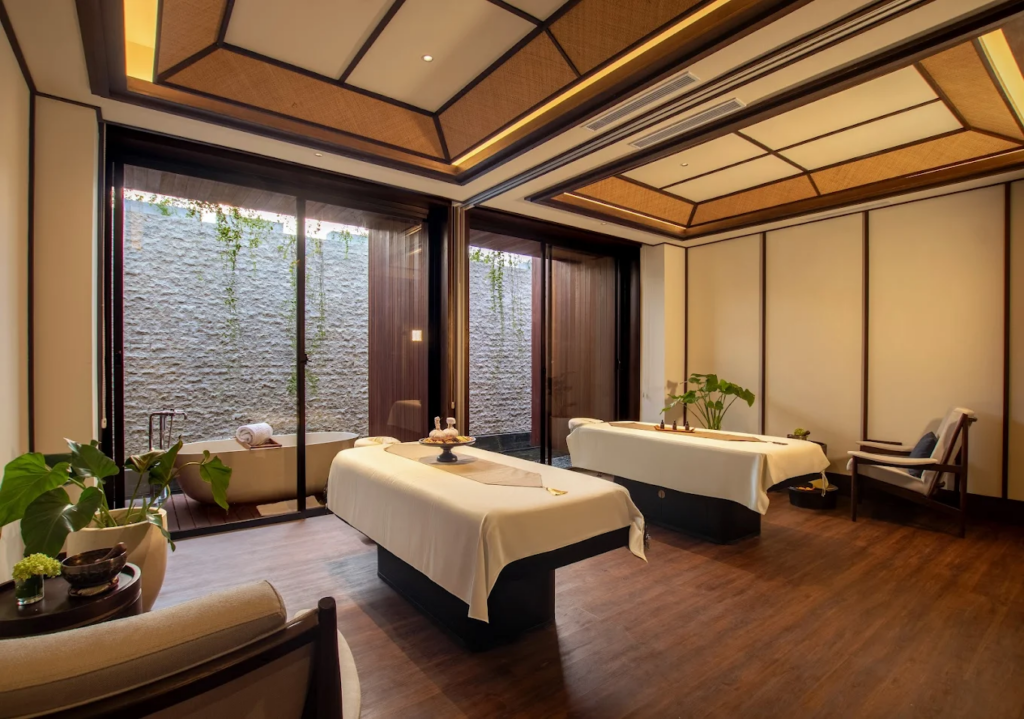
To fully recover from the intense physical demands of city exploration, a scheduled visit to the Taru Pramana Spa & Wellness centre is highly recommended. Operating daily from 9.00 AM to 9.00 PM, the spa draws its profound inspiration from the ancient Lontar Usada manuscripts and utilises the deeply restorative life force found in native plants.
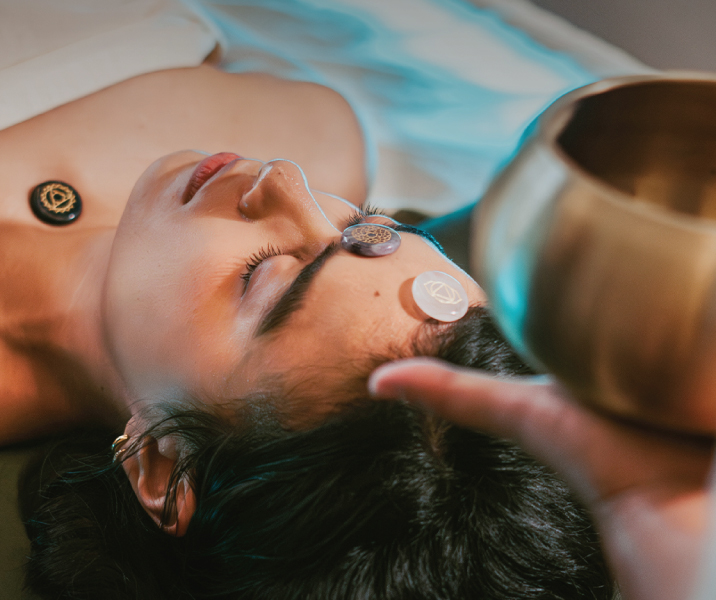
You can rejuvenate your tired muscles with a traditional Jala-Guna Herbal Poultice Massage, which expertly uses heated natural sand and locally sourced medicinal herbs to draw out deep muscular tension and completely restore your body’s energy balance. Alternatively, the high-tech Crystal Quartz Massage utilises a heated sand bed to cocoon the body, stimulating healthy lymphatic flow and natural detoxification.
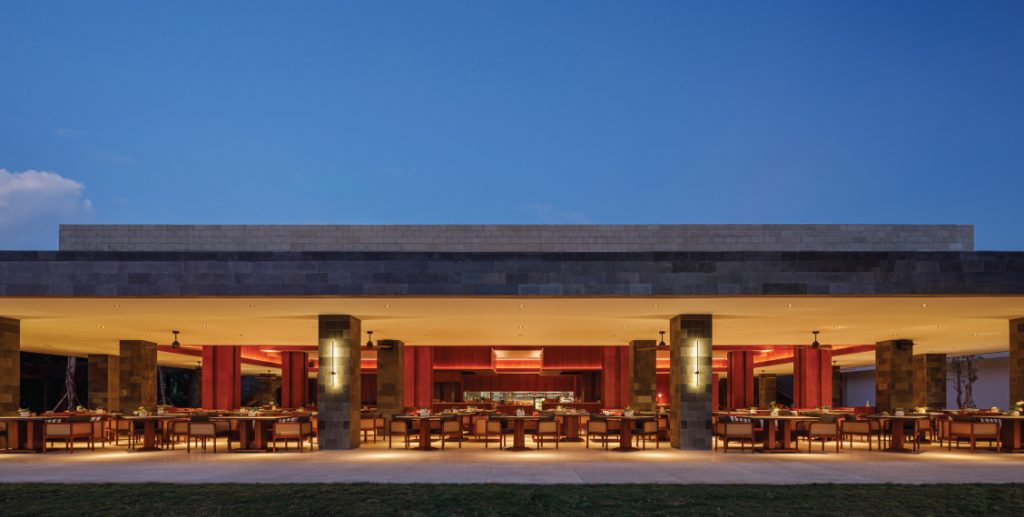
As evening falls over the coastline, you can dine by the ocean at Arunika Restaurant, where the expert culinary team meticulously prepares nourishing, health-forward dishes using fresh, locally sourced organic ingredients.
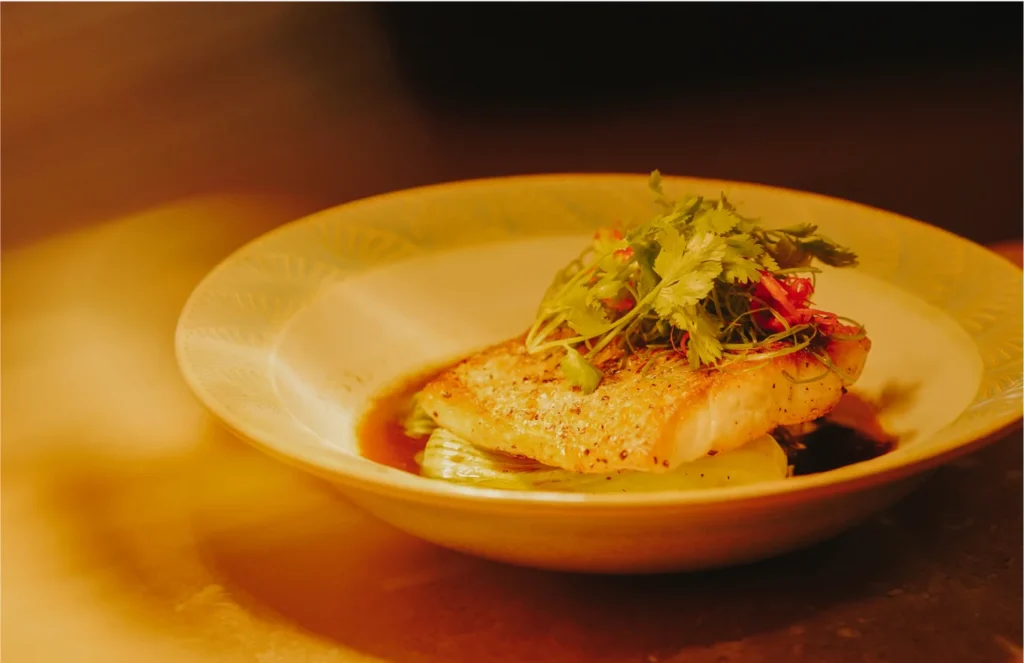
Pair your meal with a traditional, immune-boosting Jamu wellness drink to fully restore your inner vitality. By choosing this exceptional sanctuary as your home base, you actively embrace a slow, highly intentional pace that perfectly complements the vibrant, fast-paced cultural discoveries of the capital city. Begin your journey to complete restoration at The Meru Sanur.
Read more: Bajra Sandhi Monument Denpasar: 2026 Guide & History
The Jamu pairing is framed as recovery, not just a drink menu item
Pairing the post-tour meal with a traditional Jamu wellness drink here isn’t a generic beverage suggestion — it’s specifically framed as immune-boosting recovery, which fits travelers who’ve just spent a day walking Denpasar’s cultural sites.
Ordering the Jamu alongside the meal, rather than treating dining and recovery as separate steps, is a small habit that makes the shift from an active cultural day back into rest feel more deliberate.
Conclusion
Sanur ancient town is not only a tourist destination but also a journey to discover unique cultural and historical values. The Kertalangu Cultural Village serves as a vital anchor for this experience, offering a direct and educational connection to the agricultural heart and the peaceful philosophy of the Balinese community. With comprehensive practical information, activity guides, and luxury accommodation options, we hope your visit to the sunrise coast is filled with inspiration, discovery, and profound peace.
We look forward to welcoming you to our tranquil sanctuary, where Bali’s heritage and wellness continue to shine.
Read more: 15 Best Things to Do in Denpasar 2026: A Cultural Guide
FAQs
Is Kertalangu Cultural Village worth visiting?
Yes, absolutely. The village is highly worth visiting for anyone interested in authentic Balinese culture, organic agriculture, and traditional crafts. It offers a peaceful and educational alternative to the more commercialised tourist hubs, allowing you to experience the local lifestyle in a serene and unhurried setting.
How much is the entrance fee to the village?
Entering the general grounds of the Kertalangu Cultural Village to walk or cycle through the rice terraces is entirely complimentary. However, individual activities such as traditional dance lessons, batik painting workshops, or guided tours typically charge small fees, ranging from approximately $3 USD to $10 USD.
What is the best way to travel from Sanur to the village?
The most efficient and comfortable way to travel is to hire a private driver or use a ride-hailing app like Grab or Gojek. The journey from the beachfront resorts of Sanur to the village takes only 10 to 15 minutes via the Bypass Ngurah Rai, making it a very easy and convenient commute.
Are there dining facilities located directly inside the cultural village?
Yes, the village is home to several traditional warungs (local restaurants) and cafes. These venues specialise in authentic, farm-to-table Balinese cuisine, using fresh ingredients grown directly on the property, and are highly regarded for their healthy, organic menus and relaxing garden settings.
Is this destination suitable for a relaxed family trip?
Yes, the Kertalangu Cultural Village is exceptionally well-suited for families travelling with children. The flat, car-free pathways are perfect for safe cycling, and the various hands-on craft workshops (like pottery making and batik painting) offer engaging and educational experiences for young travellers of all ages.
*Prices are for reference only and may change without notice. Please contact us directly for current rates.